Skip to content
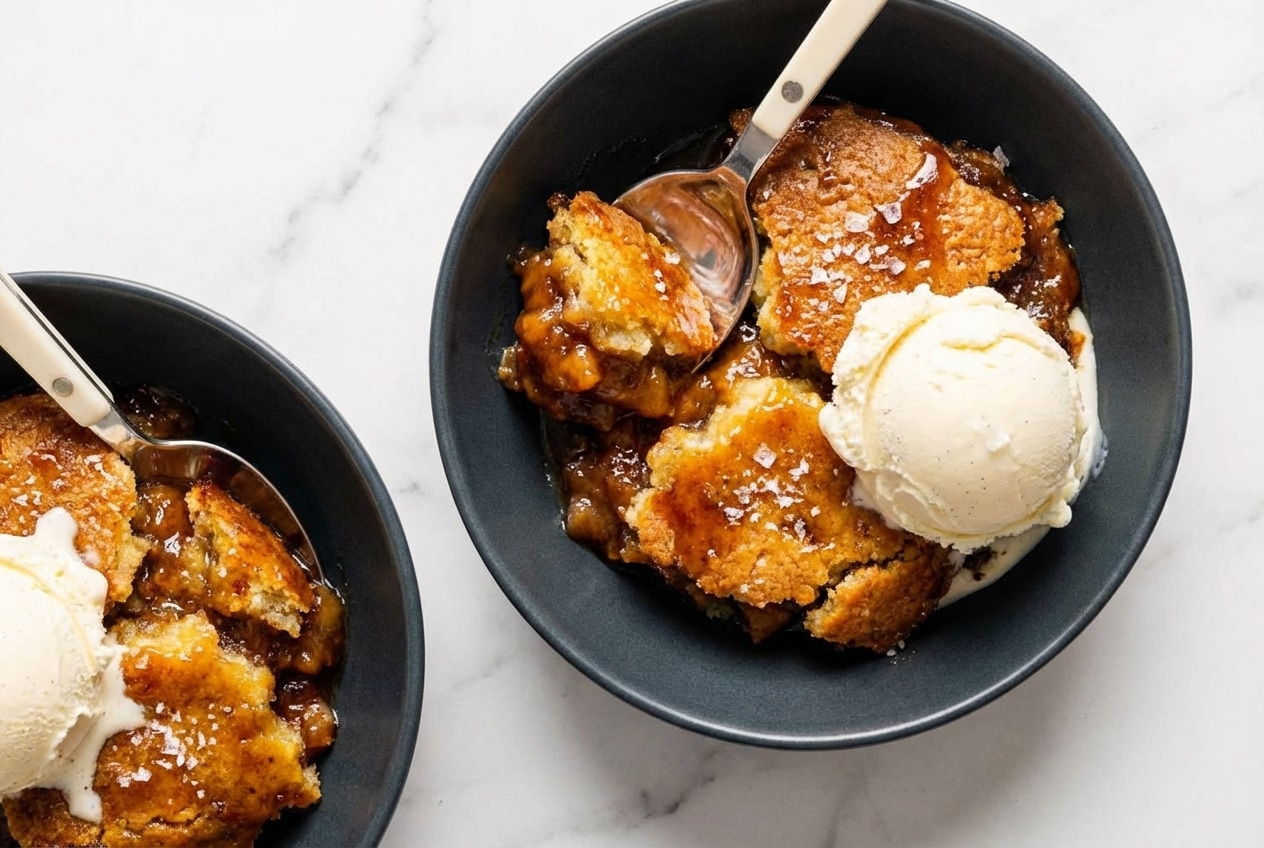
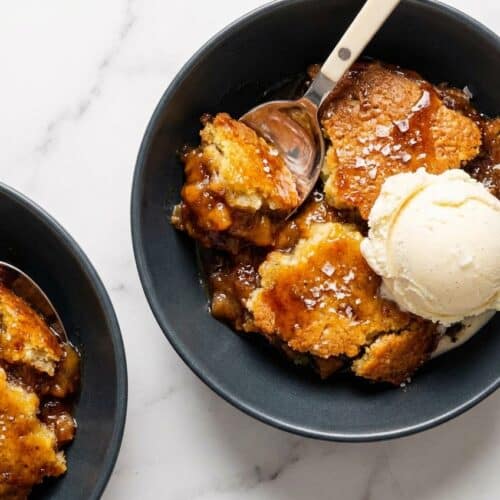
The first time I baked southern chocolate cobbler, my kitchen smelled like a sun-warmed Southern porch, all cocoa, caramelizing sugar, and butter. When you scoop into it, you get that classic “chocolate gravy” effect: a crisp, cake-like top with a molten, hot-fudge sauce underneath.
This guide gives you the heritage comfort-food version, plus a chef-y upgrade I now refuse to skip. The “magic” is real here, and once you understand the layers, you can make this self-saucing pudding come out right every time.
Why You’ll Love This Recipe: The Browned Butter & Sea Salt Enhancement
Nutty, bakery-level depth: In my kitchen, switching to browned butter (beurre noisette) changed everything. Those toasted notes echo the cocoa and make the whole cobbler taste more complex, thanks to the Maillard reaction.
A richer chocolate hit: Natural cocoa powder can taste surprisingly bold when it’s paired with browned butter. The result is a more intense, molten chocolate vibe without adding extra chocolate.
Salt that actually matters: A light finish of flaky sea salt, like Maldon, cuts the sweetness and makes the sauce taste silkier. It’s the easiest way to make this Southern comfort food feel restaurant-polished.
Ingredients and Substitutions
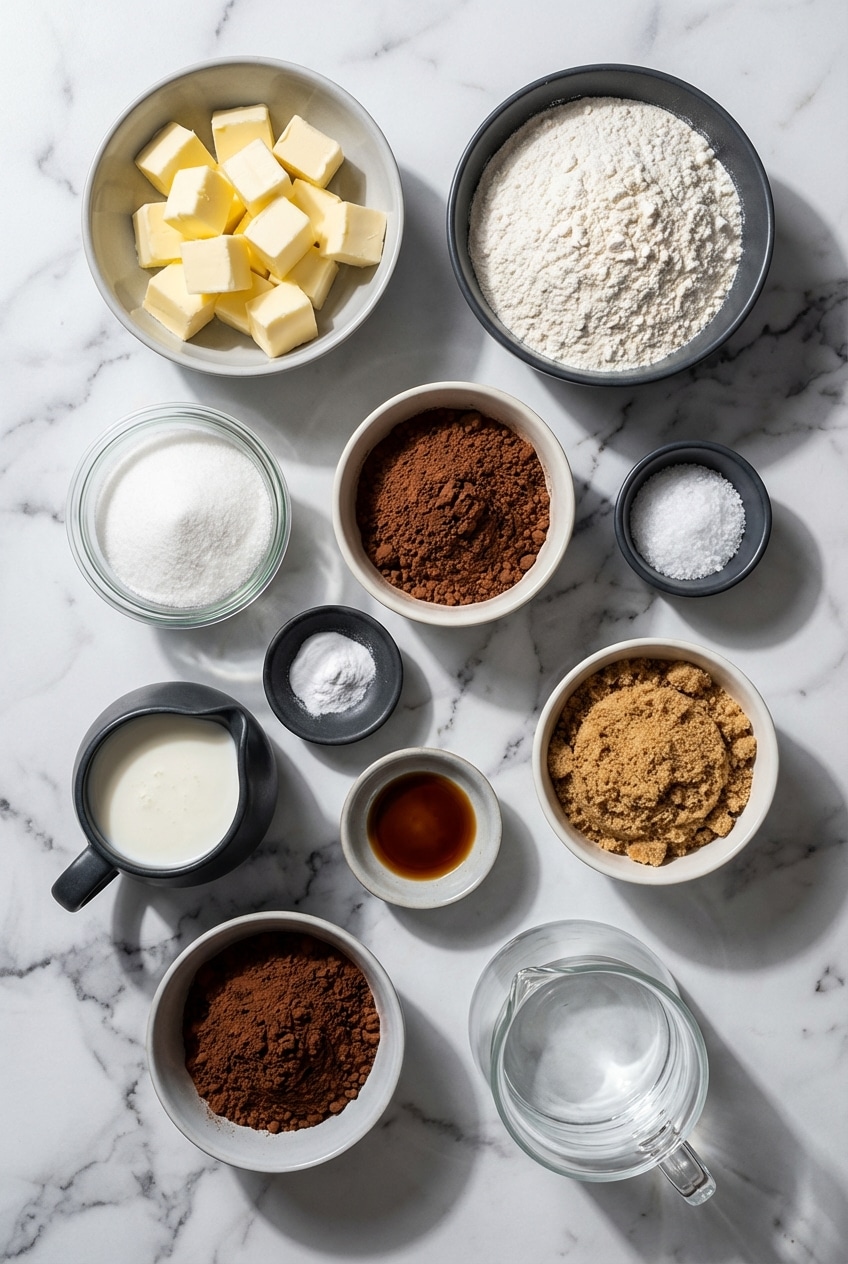
This southern chocolate cobbler is built in layers: a thick cocoa-buttermilk batter, then a brown sugar cocoa topping, and finally hot water that transforms into sauce as it bakes.
Ingredients
- 1/2 cup (113g) unsalted butter
- 1 1/4 cups (155g) all-purpose flour
- 1 cup (200g) granulated sugar
- 1/3 cup (28g) natural cocoa powder
- 3/4 teaspoon kosher salt
- 1/2 teaspoon baking soda
- 2/3 cup (160ml) buttermilk
- 1 teaspoon vanilla extract
- 1 cup (213g) light brown sugar
- 1/4 cup (21g) natural cocoa powder
- 1 1/2 cups (360ml) hot water
Ingredient Notes & Substitutions
Natural cocoa powder: This recipe is happiest with natural cocoa powder because it’s acidic, which plays well with buttermilk and the baking soda as the leavening agent. If you only have Dutch-process, you can still bake it, but the rise and tang will be different.
Buttermilk: The acidity is doing real work here, not just adding flavor. If you’re out, I’ve had good results with a quick DIY version, milk plus a small splash of lemon juice or vinegar, then let it sit briefly before using.
Light brown sugar: That hint of unrefined sugar flavor, plus the moisture, helps the sauce bake up glossy instead of flat. If your brown sugar is clumpy, break it up well so the cocoa topping spreads evenly.
Kosher salt: Keep the measurement the same, but remember that salt crystals vary by brand. If you’re using a much finer salt, the dessert may taste slightly saltier, especially with a flaky salt finish.
How to Make southern chocolate cobbler
Preheat and get the butter ready
- Preheat the oven to 350°F.
- Add the butter to a 9×9-inch pan or baking dish and set in the oven to melt while the oven preheats. If you start to hear it pop and sizzle, remove the pan from the oven.
Mix the cocoa batter and the sauce topping
- Mix the batter for the first layer: In a large bowl, whisk together the flour, sugar, cocoa powder, salt, and baking soda. Pour in the buttermilk and vanilla extract and mix with a rubber spatula until smooth. The batter will be thick.
- Mix the ingredients for the chocolate sauce: In a small bowl, whisk together the brown sugar and the cocoa powder.
Assemble the layers, no stirring
- Assemble the cobbler: When the oven has preheated and the butter has melted, remove the pan from the oven. Pour in the chocolate biscuit batter and use the spatula to spread it into an even layer.
- Sprinkle the brown sugar and cocoa mixture evenly over the batter.
- Slowly pour the hot water over the top. Do not stir.
Bake, then rest for the sauce to set
- Bake: Bake the cobbler until the edges are bubbling and the center is just barely set, 35 to 40 minutes. The center will bounce back when lightly pressed. Don’t overbake.
- Cool and serve: Allow the cobbler to cool and set slightly for 5 to 10 minutes before serving warm. Spoon servings into bowls and top with a scoop of vanilla ice cream, if desired.
The Science of the Sauce: Temperature & Altitudes
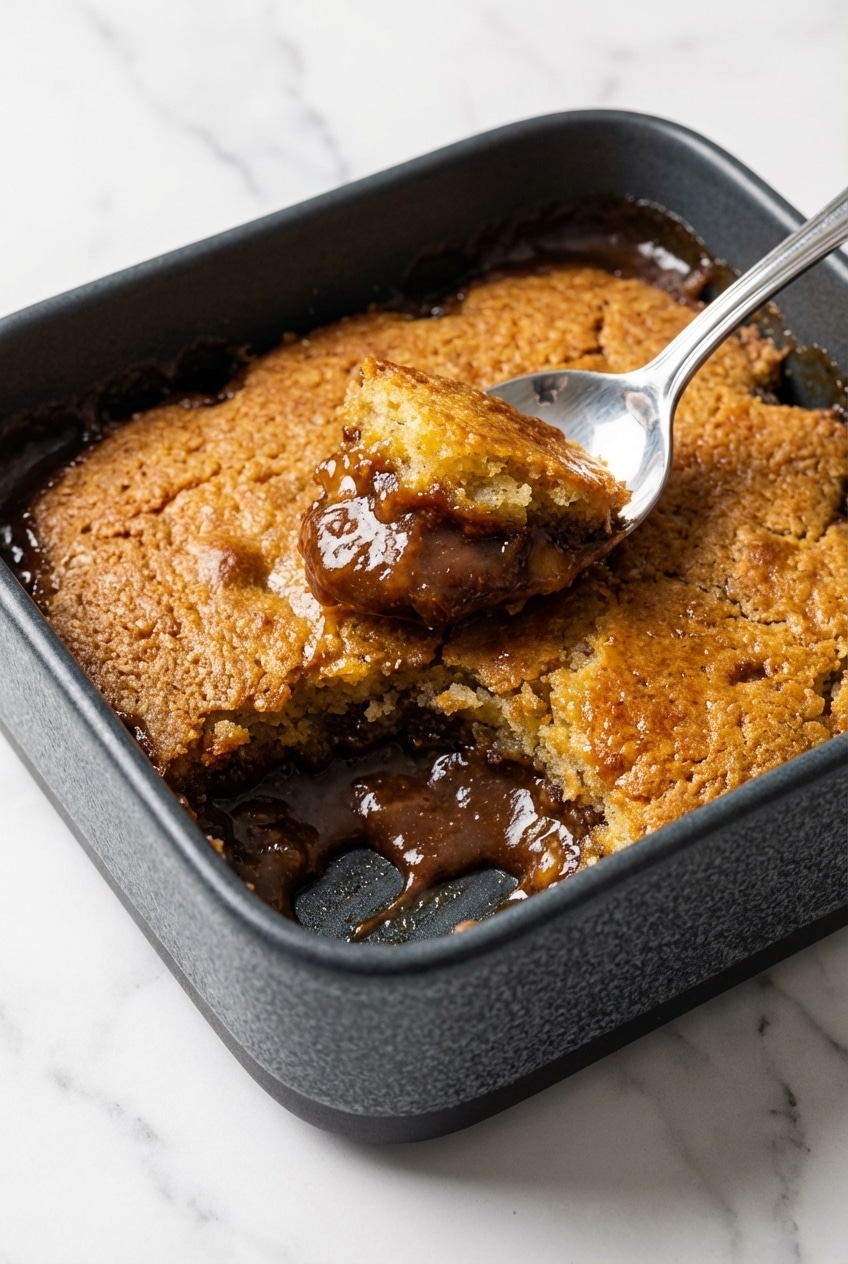
Boiling water is the quiet hero of this dessert. When I use water that’s truly boiling, it “blooms” the cocoa on contact, which deepens flavor and helps the self-saucing pudding set into a real fudge layer instead of a thin drinkable syrup.
The sentence with self-saucing mechanics helps explain the fudgy texture. It comes down to proportions, heat, and how the batter lifts as the sauce forms below.
If your layers mixed, it’s usually physics, not bad luck. A fast, forceful pour punches holes through the batter, so instead of distinct layers, everything turns into a muddy cocoa puddle, pour slowly over the surface and let gravity do the work.
At elevations above 3,000 feet, small changes can prevent collapse or dryness. The sentence with high-altitude adjustments offers reliable benchmarks for liquids and leavening. In practice, I typically nudge the water slightly up and the baking soda slightly down, so the center stays saucy instead of baking out.
Pro Tips & Troubleshooting
Pro Tips
- Brown the butter in a small saucepan until deep amber and nutty, then pour it into the 9×9 baking dish before adding the batter for that beurre noisette flavor boost.
- Hot coffee can replace the hot water for a deeper molten chocolate finish, it intensifies cocoa without tasting like a mocha.
- Toasting pecans before adding them brings better crunch and aroma, their oils bloom and taste sweeter.
- A chilled, layered dessert like chocolate eclair cake scratches a similar rich-chocolate itch. It’s a great option when you want cocoa comfort without turning on the oven.
Common Mistakes to Avoid
- Stirring after the hot water goes in, this destroys the separation that creates the cake top and hot fudge bottom.
- Using an 8×8 pan, it’s too small and the bubbling sauce can overflow in the oven.
- Overbaking, a slightly soft center is the goal because it firms as it rests and keeps the sauce molten.
- Pouring water too aggressively, a gentle pour protects the layers and keeps the cobbler self-saucing.
Serving & Storage
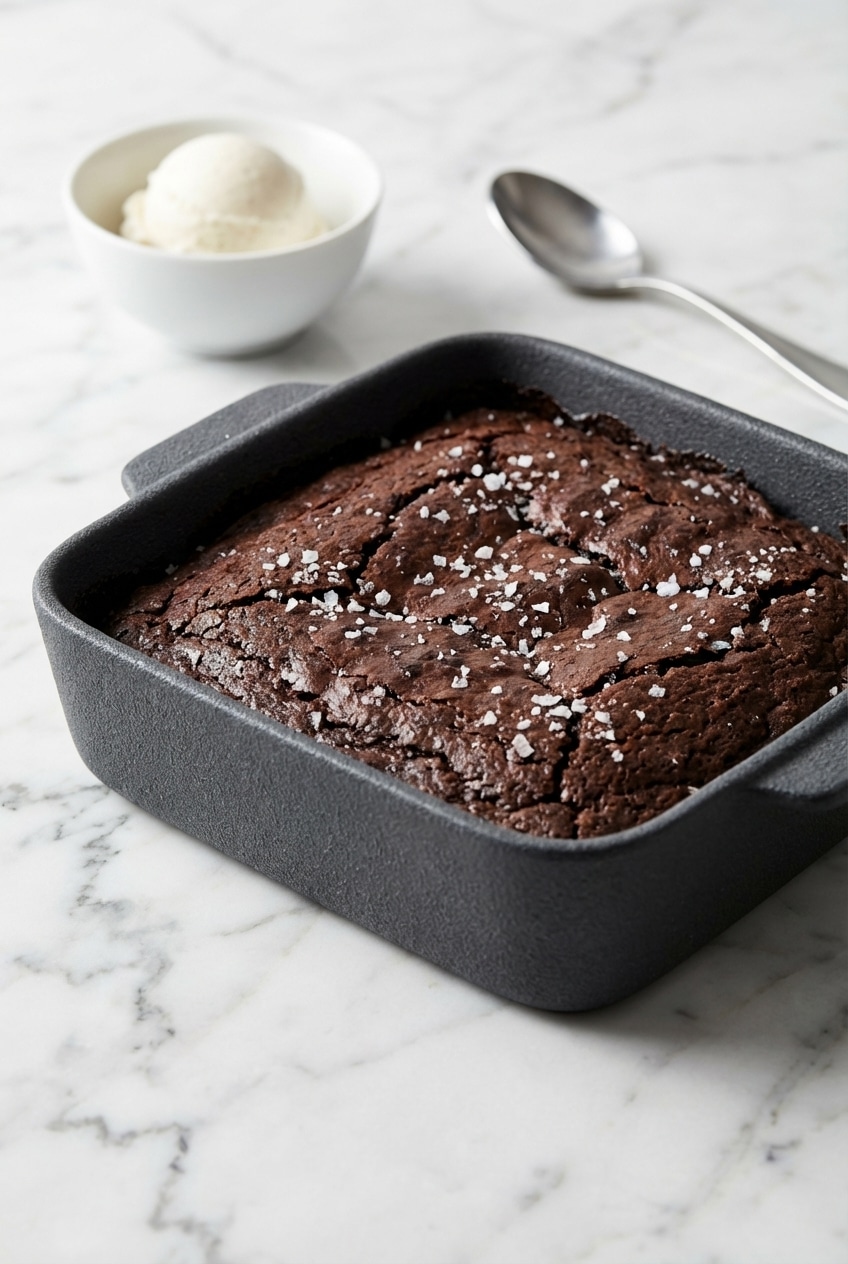
I love serving this warm, about 10 minutes out of the oven, when the edges are bubbling and the center still looks a little jiggly. Vanilla bean ice cream is the classic pairing because it melts into the hot fudge sauce and turns every bite into a sundae-meets-cake situation.
If you want a bright contrast, raspberries are perfect, and a spoonful of homemade jam is even better. The sentence with strawberry jam recipe fits beautifully as a topping idea. That little hit of acidity makes the chocolate taste darker and less sugary.
For storage, cover and refrigerate leftovers, they’re best within 2 days. The cake layer will firm up, but the sauce stays tucked underneath.
To reheat, microwave a portion for 20 to 30 seconds, and add a teaspoon of milk first to bring back that silky sauce texture. If you heat it too long, the sauce thickens and the cobbler can start tasting dry.
Southern Chocolate Cobbler

Equipment
- 9×9-inch pan or baking dish
- large bowl
- Whisk
- Rubber spatula
- Small bowl
Ingredients
- 1/2 cup unsalted butter (113g)
- 1 1/4 cups all-purpose flour (155g)
- 1 cup granulated sugar (200g)
- 1/3 cup natural cocoa powder (28g)
- 3/4 teaspoon kosher salt
- 1/2 teaspoon baking soda
- 2/3 cup buttermilk (160ml)
- 1 teaspoon vanilla extract
- 1 cup light brown sugar (213g)
- 1/4 cup natural cocoa powder (21g)
- 1 1/2 cups hot water (360ml)
Instructions
Preheat and get the butter ready
- Preheat the oven to 350°F.
- Add the butter to a 9×9-inch pan or baking dish and set in the oven to melt while the oven preheats. If you start to hear it pop and sizzle, remove the pan from the oven.
Mix the cocoa batter and the sauce topping
- Mix the batter for the first layer: In a large bowl, whisk together the flour, sugar, cocoa powder, salt, and baking soda. Pour in the buttermilk and vanilla extract and mix with a rubber spatula until smooth. The batter will be thick.
- Mix the ingredients for the chocolate sauce: In a small bowl, whisk together the brown sugar and the cocoa powder.
Assemble the layers, no stirring
- Assemble the cobbler: When the oven has preheated and the butter has melted, remove the pan from the oven. Pour in the chocolate biscuit batter and use the spatula to spread it into an even layer.
- Sprinkle the brown sugar and cocoa mixture evenly over the batter.
- Slowly pour the hot water over the top. Do not stir.
Bake, then rest for the sauce to set
- Bake the cobbler until the edges are bubbling and the center is just barely set, 35 to 40 minutes. The center will bounce back when lightly pressed. Don’t overbake.
- Allow the cobbler to cool and set slightly for 5 to 10 minutes before serving warm. Spoon servings into bowls and top with a scoop of vanilla ice cream, if desired.
Notes
Nutrition
Conclusion
This southern chocolate cobbler is all about contrast, a crisp-crusted top and a molten, fudgy center that tastes like warm brownie batter in the best way. With browned butter and a pinch of flaky sea salt, it turns from nostalgic to truly special.
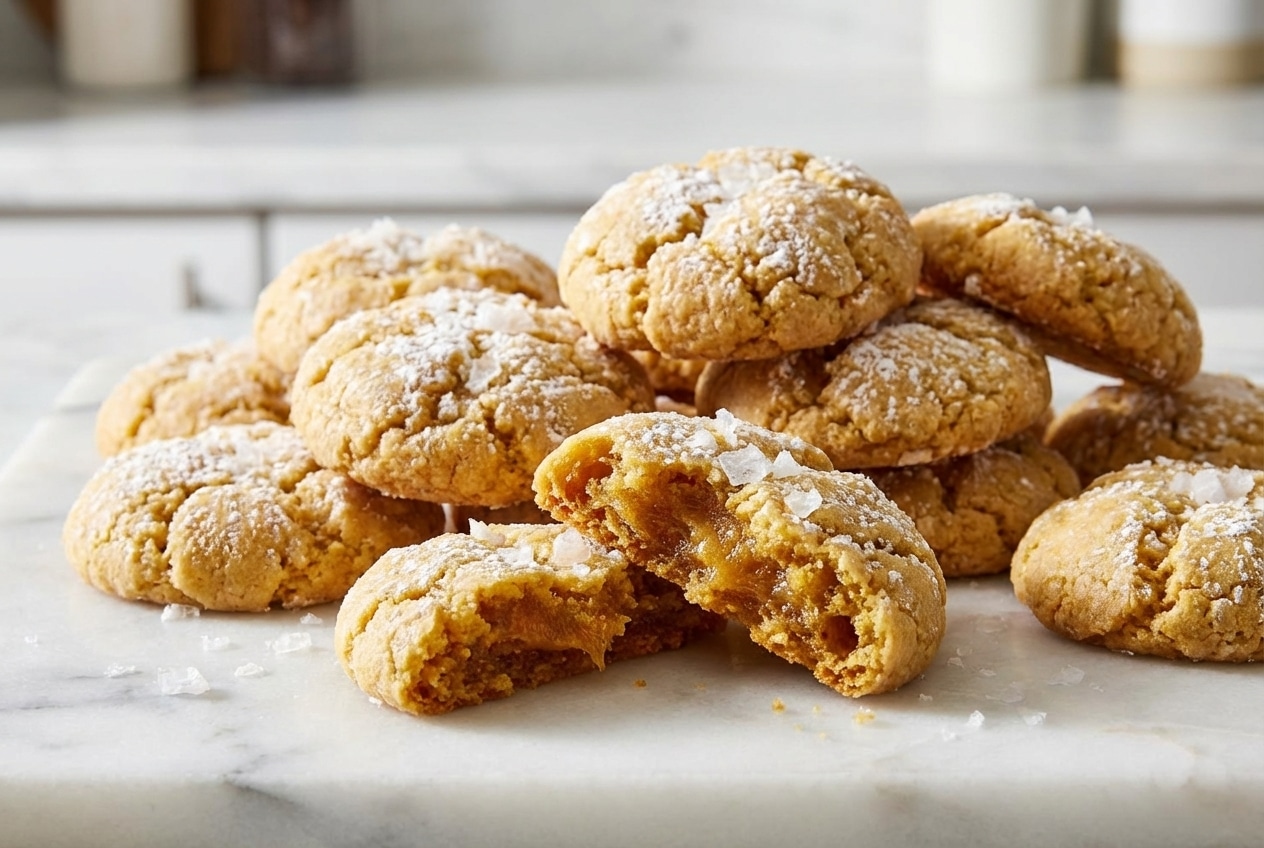
Once you nail the slow pour and the no-stir rule, you can play with easy twists like coffee or toasted pecans. For another Southern-style gooey dessert, the flavor profile in gooey butter cookies hits that same comfort-food sweet spot.
Frequently Asked Questions
Does it really work if I don’t stir it?
Yes, and not stirring is the whole point. As it bakes, the batter rises through the liquid while the cocoa and sugar sink, so you end up with a cake layer on top and a molten sauce underneath.
Can I use Dutch-process cocoa?
You can, but Dutch-process cocoa is not acidic, so it will not react the same way with baking soda and buttermilk. The sentence with chemical leavening process explains why acidity matters for lift. Natural cocoa is the more reliable choice for the classic rise and flavor.
Why is my sauce too thin or too thick?
Sauce texture is mostly bake time. Too thin usually means it’s underbaked, and too thick or missing often means it went too long and the cake absorbed the liquid, pull it when the center is barely set and still a little soft.
Can I make this in a slow cooker?
It can work, but the top will be softer and less crisp because a slow cooker traps steam. If you do it, keep the same layering method and avoid stirring, but expect a more pudding-like finish than a classic cobbler crust.