Skip to content
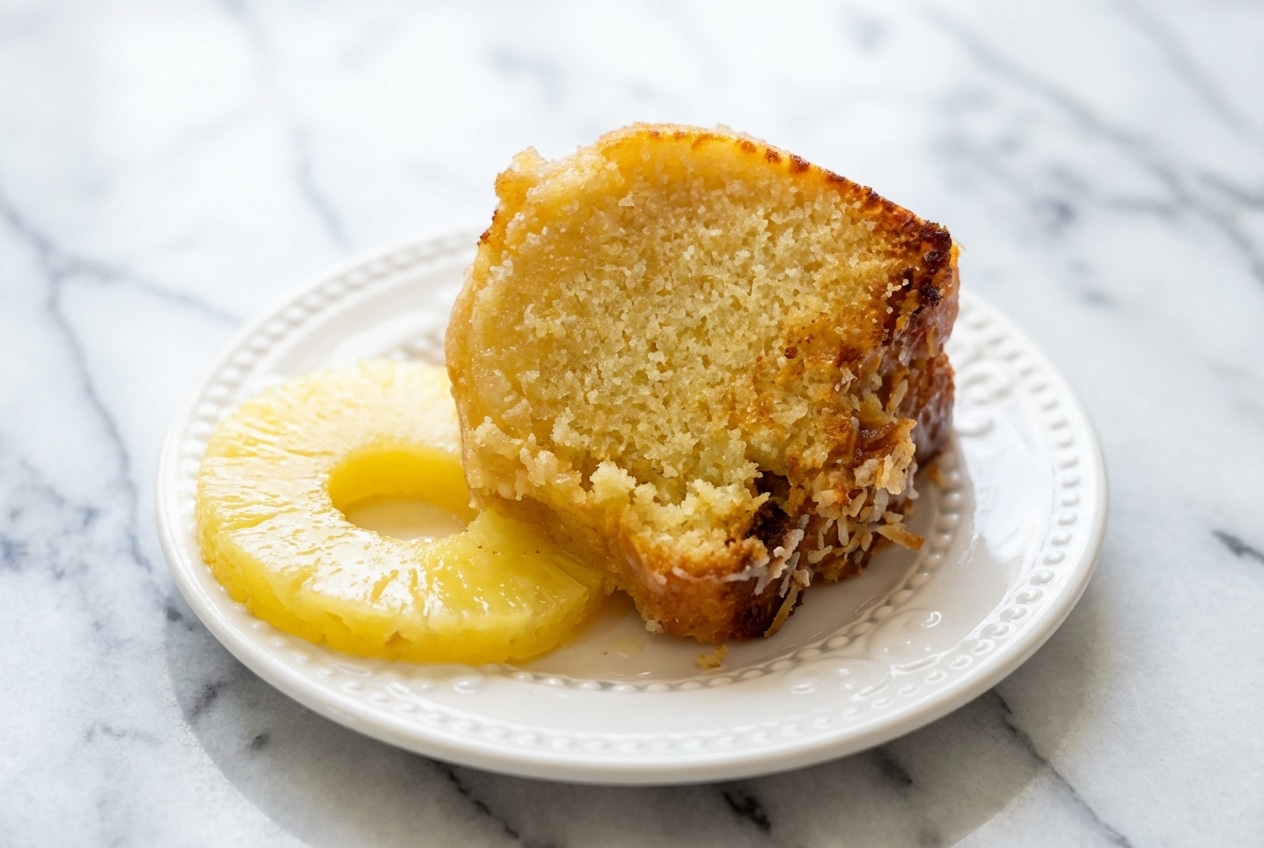
When I want a dessert that feels like a tiny vacation without leaving my kitchen, I bake this pina colada pound cake. It’s buttery and golden like a classic pound cake, but it carries that sunny hit of pineapple and coconut that makes you think of poolside afternoons.
This loaf is perfect for potlucks, backyard BBQs, or a “just because” weekend bake, especially when you want something sturdy enough to slice cleanly but still tender on the fork. The real magic comes from a warm soak that melts into the crumb and keeps every bite lush.
Why You’ll Love This Recipe
The pineapple rum soak: In my Bundt pan days, I learned that pouring a warm pineapple and coconut rum syrup over a hot cake lets the crumb drink it in like a sponge. That capillary action gives you flavor all the way through, not just on top.
Moist without getting soggy: This method gives a tres leches level tenderness while the cake still slices like a proper pound cake. You get that plush, melt-in-your-mouth feel, but it keeps its structure.
Big tropical flavor, bakery-style: Using solid coconut oil with butter in the creaming method builds a lighter texture, and the cream of coconut brings that sweet coconut perfume. Add vanilla extract and pineapple, and it tastes like summer baked into a loaf.
Ingredients and Substitutions
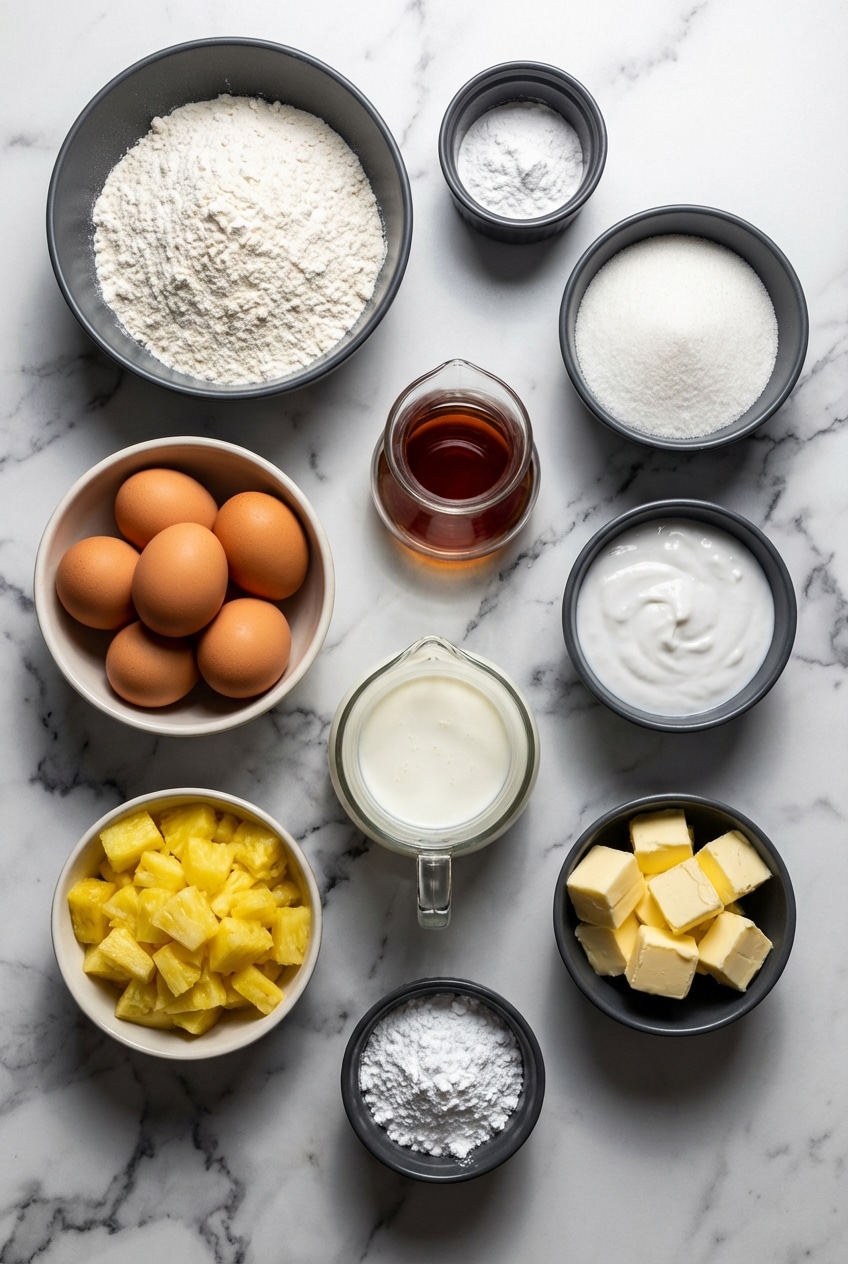
These ingredients are simple, but they work like a team, rich fats for a velvety crumb, buttermilk for tenderness, and pineapple plus coconut for that unmistakable tropical finish.
Ingredients
- 360g (3 cups) Flour
- 1 teaspoon Baking powder
- 348g (1 1/2 cups) Sugar
- 6 Eggs
- 1 Tablespoon Vanilla
- 1/4 cup Cream of coconut
- 227g (1 cup) Buttermilk
- 170g (3/4 cup) Butter
- 170g (3/4 cup) Coconut oil (solid)
- 170g (1 cup) Fresh pineapple, chopped and drained
- 85g (1 cup) Flaked coconut (optional)
Icing:
- 2 Tablespoons Cream of coconut
- 1/4 cup Powdered sugar
Ingredient Notes & Substitutions
Solid coconut oil: It needs to be solid, not melted, so it can cream properly with the butter and trap air. When it’s liquid, the batter tends to lose that fluffy lift, and the cake can bake up heavier.
Fresh pineapple vs canned: Fresh pineapple gives brighter flavor and a cleaner bite, but it must be chopped and thoroughly drained so the crumb stays tender, not wet. If you’re prepping your own, this guide to cutting fresh pineapple helps you get neat pieces that bake evenly.
Cream of coconut: This is the sweet, syrupy stuff used in cocktails, not unsweetened coconut milk. If you swap them, you change both sweetness and thickness, and the cake won’t taste like piña colada.
Buttermilk: It brings acidity and tenderness, which plays beautifully with the baking powder for an even rise. If your buttermilk is cold, let it sit out a bit, room temperature ingredients emulsify more smoothly.
Flaked coconut (optional): I use it when I want texture and little toasty edges in the slice. If you love coconut, toasting some for garnish makes the aroma nuttier and more “bakery window” delicious.
How to make pina colada pound cake
Prep your pan and set the base
- Heat the oven to 325 degrees Fahrenheit, and give it time to fully settle into temperature. A steady oven is what gives pound cake that even, velvety crumb.
- Grease and flour a Bundt pan generously, especially around any detailed curves. I like a flour-based spray such as Baker’s Joy because it gets into every nook, which saves your cake from tearing at unmolding time.
Cream, emulsify, and build a silky batter
- Whip the butter and solid coconut oil until they look creamy and unified, with no streaks. This is the start of the creaming method, you’re building tiny air pockets for a lighter bite.
- Add the sugar and keep mixing until the mixture looks pale and fluffy, and feels almost like a soft frosting when you rub a bit between your fingers.
- Add the eggs one at a time, mixing just until each one disappears into the batter. Room temperature eggs behave best here, the batter stays smooth instead of looking broken or curdled.
Finish the mix and fold in the tropical bits
- Whisk the flour and baking powder together so the leavener is evenly distributed. This small step prevents surprise tunnels and uneven lift.
- Add the dry mixture to the bowl in turns, alternating with the buttermilk, and stop mixing as soon as you don’t see dry flour. Overmixing at this point can make the cake chewy instead of tender.
- Mix in the vanilla and the cream of coconut until the batter looks glossy and thick. It should slowly ribbon off the beater, not pour like pancake batter.
- Take the bowl off the mixer, then gently fold in the drained pineapple and flaked coconut (if using). A light hand keeps the fruit from breaking down and turning the crumb gummy.
Bake, cool, and finish with icing
- Bake for 55 to 60 minutes, and start checking at 50 minutes with a toothpick. You’re looking for a clean pick, plus a top that feels springy when lightly pressed.
- Let the cake cool completely in the pan on a cooling rack. If you rush this, the cake can crack or cling to the pan when you flip it.
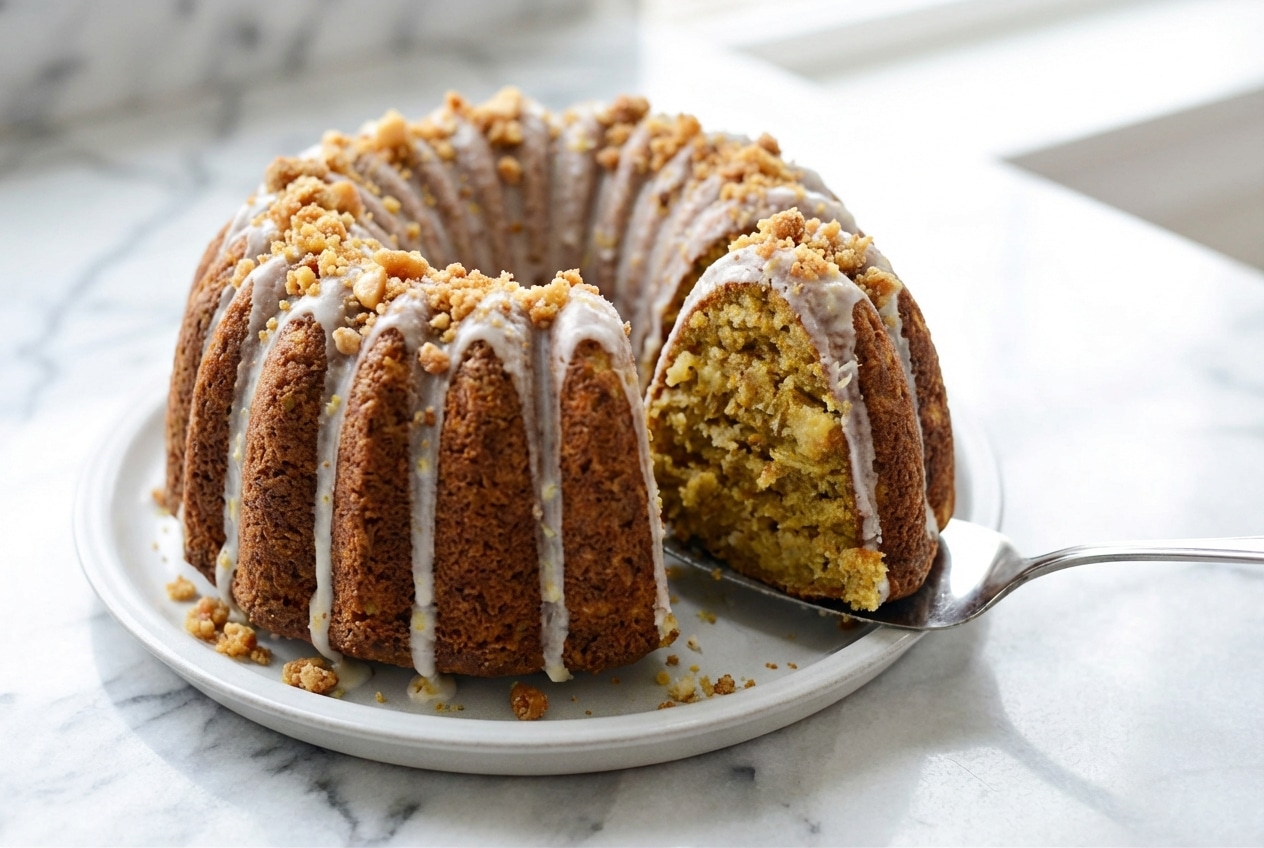
- Once cool, invert the pan to release the cake, then whisk the powdered sugar and cream of coconut until smooth. Drizzle it over the top so it falls in thick ribbons down the curves.
- Finish with shaved coconut or dried pineapple (optional), then slice and enjoy. The aroma should be buttery with a sweet coconut finish, like a dessert version of your favorite cocktail.
Secrets for Perfect Tropical Cake
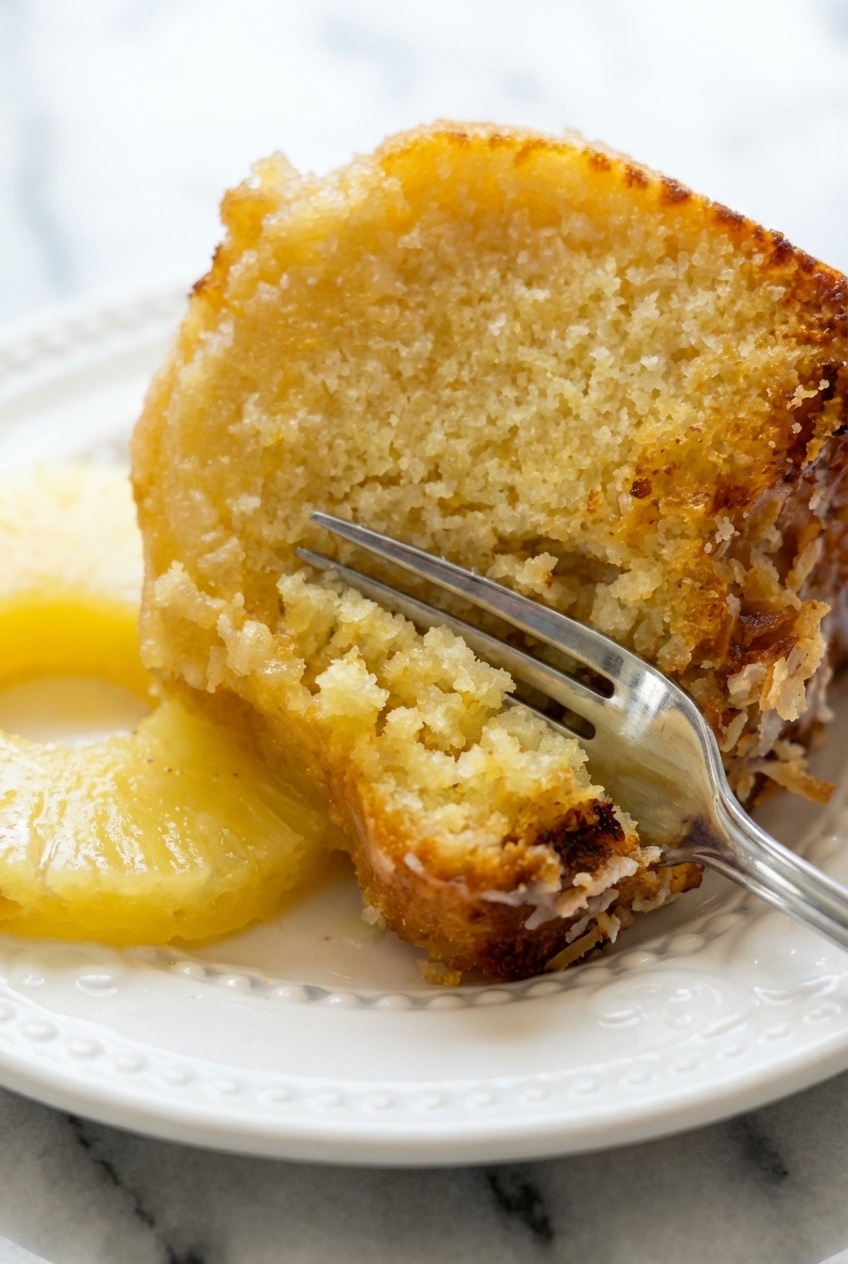
The biggest “tropical cake” secret is moisture control, pineapple brings flavor, but it also brings water. Drain it well, then fold gently so the batter stays airy and the crumb bakes up plush.
Fruit sinking is usually a batter density issue, and I’ve found a light dusting of flour on the pineapple helps it cling in place. If you love moist cakes in general, the custardy feel of banana pudding cake scratches the same itch, just in a different direction.
Coconut flavor comes from layering, solid coconut oil for richness, cream of coconut for sweetness, and a little toasted coconut on top for aroma. At a BBQ, a cool, creamy side like pineapple fluff dessert pairs well without competing.
When you’re shopping, remember cream of coconut is sweetened and thick, while coconut milk is thinner and not sweet. The difference matters for both texture and sugar balance, and this quick explanation of cream of coconut (sweetened) and coconut milk helps clear up the label confusion.
Pro Tips & Troubleshooting
Pro Tips
- Bring butter, buttermilk, and room temperature eggs to the counter first, a smooth batter bakes into a finer crumb.
- Use a flour-based spray like Baker’s Joy for reliable Bundt pan release, especially with detailed patterns.
- Whisk the flour and baking powder thoroughly so the rise is even from edge to center.
- Drain the pineapple very well, excess juice can weigh down the middle.
- If you want extra insurance against sinking, toss the pineapple pieces in a little flour before folding.
Common Mistakes to Avoid
- Using liquid coconut oil instead of solid, it won’t cream properly with the butter.
- Overmixing after the eggs go in, the cake can turn tight and tough.
- Mixing aggressively after adding flour, it can develop gluten and lose tenderness.
- Unmolding while the cake is still hot, it’s more likely to break or stick.
Serving & Storage
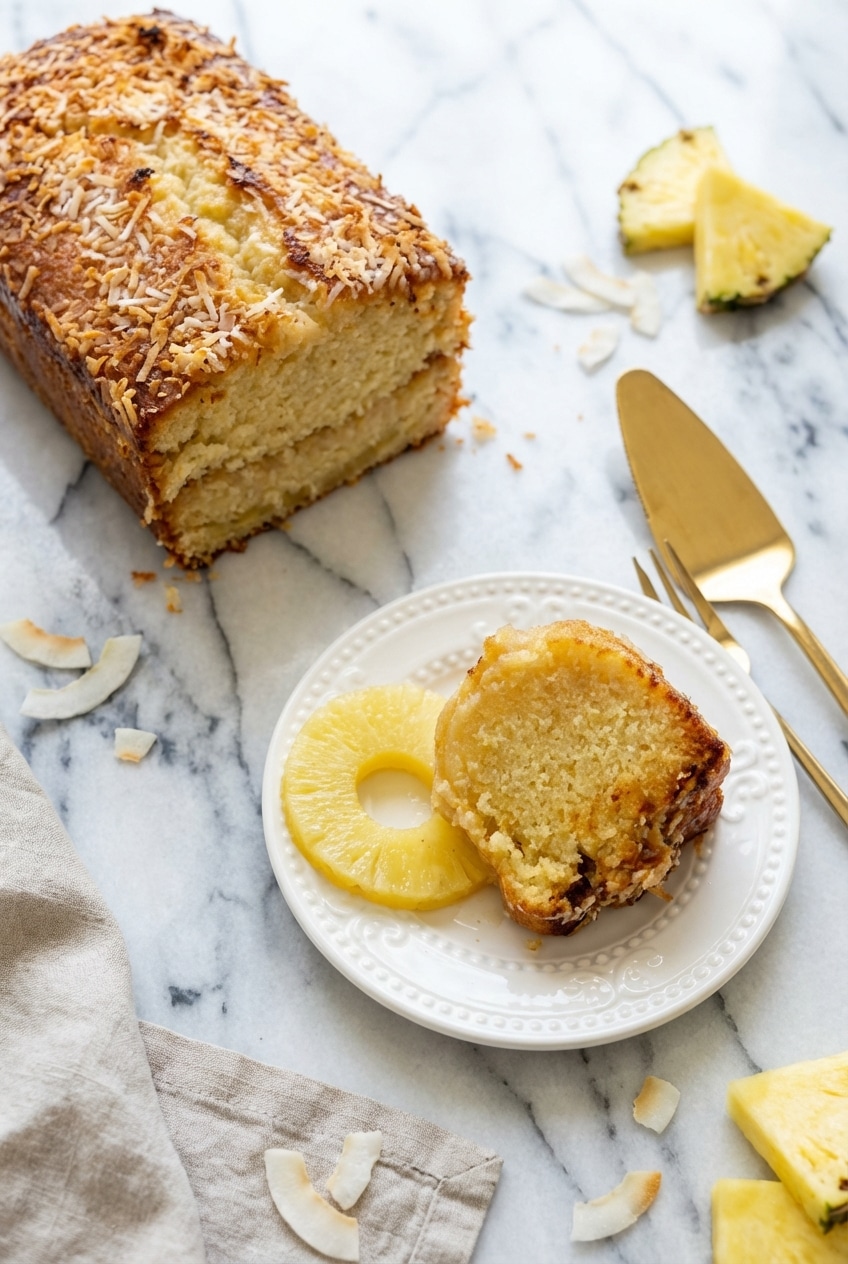
I love serving thick slices with whipped cream and a maraschino cherry, it really sells the piña colada vibe. A little lime zest on top wakes up the pineapple flavor without making it tart.
For parties, this cake holds up beautifully on a dessert table, and the icing sets into a soft shell. When I’m building a tropical dessert spread, I sometimes include pina colada cheesecake so guests can choose creamy or buttery.
For storage, keep the cake covered at room temperature for up to 3 days, as long as the kitchen is cool. If your home runs warm, refrigerate it for up to 5 days, then let slices sit out 20 to 30 minutes so the crumb softens again.
To freeze, wrap individual slices tightly, then place them in a freezer bag to prevent freezer smell. It keeps well for up to 2 months, and a slice tastes best after thawing at room temperature, or a quick, gentle warm-up so it smells buttery again.
This pina colada pound cake is my idea of dessert paradise, golden edges, tender crumb, and that tropical finish that lingers. If you feel like playing, toast the coconut or add a little extra rum energy with the glaze vibe, and let your kitchen smell like summer.
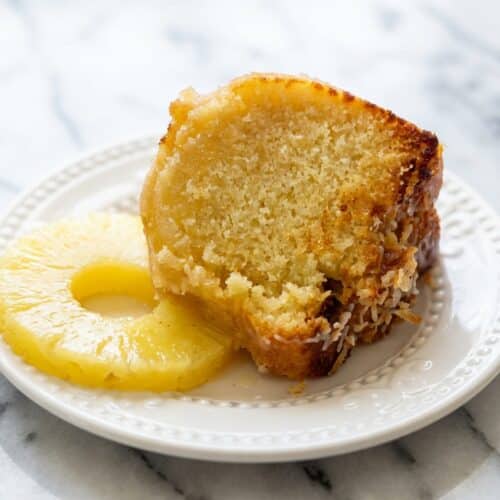
Tropical Pina Colada Pound Cake

Equipment
- Bundt Pan
- Electric Mixer
- Cooling Rack
Ingredients
- 360 g Flour (3 cups)
- 1 teaspoon Baking powder
- 348 g Sugar (1 1/2 cups)
- 6 Eggs
- 1 Tablespoon Vanilla
- 1/4 cup Cream of coconut
- 227 g Buttermilk (1 cup)
- 170 g Butter (3/4 cup)
- 170 g Coconut oil (solid) (3/4 cup)
- 170 g Fresh pineapple (1 cup), chopped and drained
- 85 g Flaked coconut (optional) (1 cup)
Icing
- 2 Tablespoons Cream of coconut
- 1/4 cup Powdered sugar
Instructions
Prep your pan and set the base
- Heat the oven to 325 degrees Fahrenheit and allow it to reach a steady temperature to ensure an even, velvety crumb.
- Generously grease and flour a Bundt pan, using a flour-based spray like Baker’s Joy to reach every detail and prevent tearing.
Cream, emulsify, and build a silky batter
- Whip the butter and solid coconut oil together until creamy and unified with no visible streaks.
- Add the sugar and continue mixing until the mixture is pale, fluffy, and has the consistency of soft frosting.
- Incorporate the eggs one at a time, mixing only until each egg disappears into the batter to maintain a smooth emulsion.
Finish the mix and fold in the tropical bits
- Whisk the flour and baking powder together in a separate bowl to distribute the leavener evenly.
- Add the dry ingredients and buttermilk to the batter in alternating turns, stopping as soon as the flour is no longer visible.
- Stir in the vanilla and cream of coconut until the batter is thick, glossy, and ribbons off the beater.
- Remove the bowl from the mixer and gently fold in the drained pineapple and flaked coconut by hand.
Bake, cool, and finish with icing
- Bake for 55 to 60 minutes. Check for doneness at 50 minutes using a toothpick; it should come out clean and the top should be springy.
- Let the cake cool completely in the pan on a wire rack to prevent cracking or sticking.
- Invert the pan to release the cake, then whisk the powdered sugar and cream of coconut into a smooth glaze.
- Drizzle the icing over the cooled cake and finish with optional shaved coconut or dried pineapple before slicing.
Notes
Nutrition
Frequently Asked Questions
What is the difference between coconut milk and cream of coconut in baking?
Cream of coconut is sweetened and thick, and it’s meant to add both coconut flavor and sugar. Coconut milk is unsweetened and thinner, so swapping it changes sweetness and the batter’s consistency.
How do I ensure the pineapple pieces don’t sink?
Drain the pineapple thoroughly, then fold it in gently by hand at the end. A light dusting of flour on the pineapple pieces also helps them suspend in the batter instead of dropping.
Can I freeze Piña Colada pound cake?
Yes, it freezes well. Wrap slices tightly and freeze for up to 2 months, then thaw at room temperature so the crumb stays tender.
How long should I let the cake cool before inverting it?
Let it cool completely in the pan on a rack. If it’s even a little warm, the cake is softer and more likely to stick or tear when you flip.
What is the best way to store this cake to keep it moist?
Keep it covered so air can’t dry the crumb out. Room temperature storage works for up to 3 days in a cool kitchen, otherwise refrigerate up to 5 days and bring slices back to room temp before serving.