Skip to content
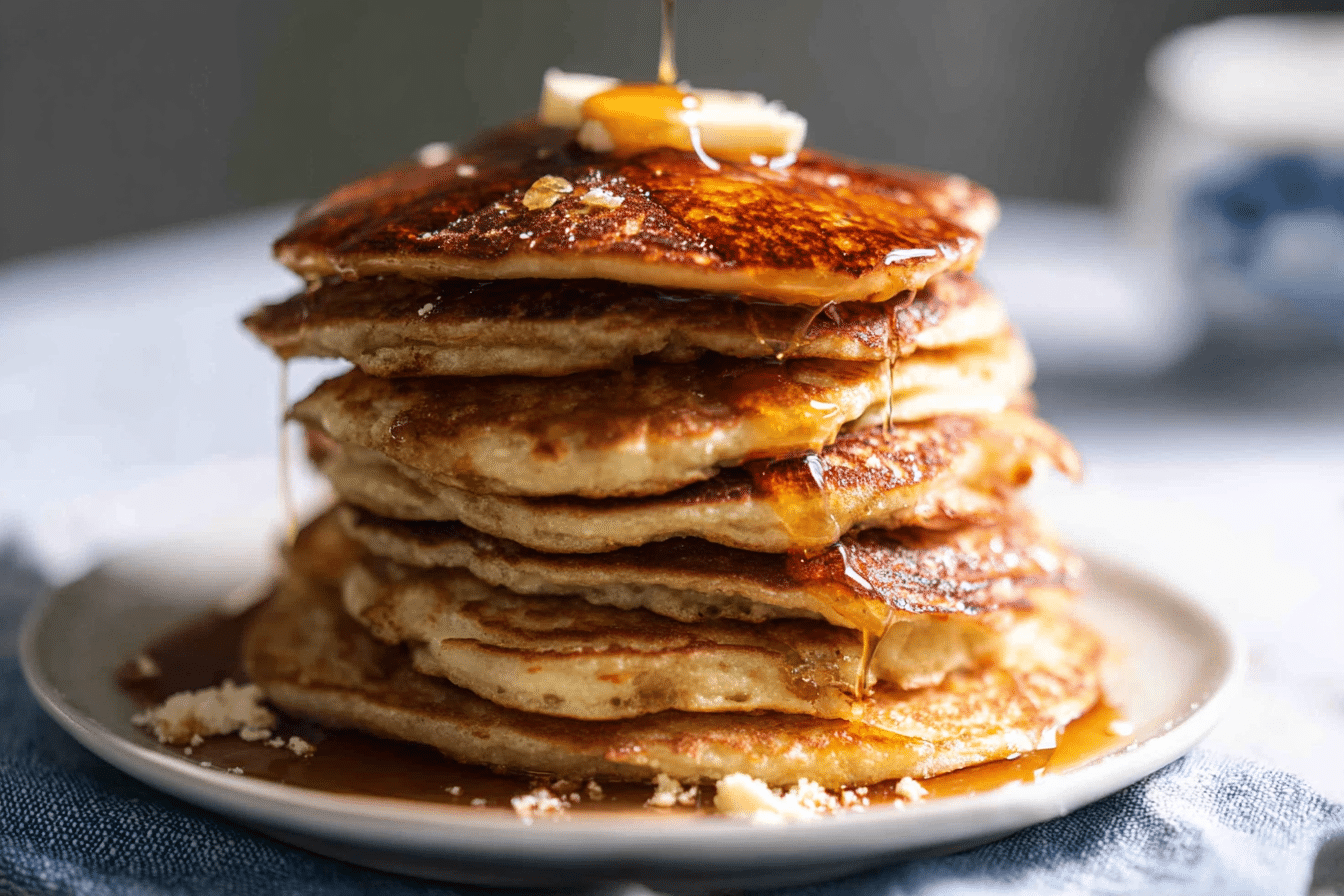
I still chase that classic diner breakfast, thick pancakes with crisp edges, a steamy center, and that buttery, toasted aroma that hits the table before the plate lands.
This homemade pancake mix is my busy-morning answer, it’s faster than scratch, more flavorful than boxed, and you control every ingredient. Below, I’ll walk you through the technique and the little science tricks that make each batch reliably fluffy and golden.
Why You’ll Love This Recipe
The Secret Double-Malt Brown Butter vibe: In my kitchen, adding malted milk powder and leaning into browned, nutty notes gives this mix a deeper, old-school flavor that makes plain pancakes taste special.
Better browning, better aroma: The malt helps the Maillard reaction along, so you get that diner-style toasty color and a warm, caramel-like smell even on a weekday.
Bulk convenience that stays dependable: Because the fat is blended right into the dry ingredients, the mix is truly shelf-stable, and it’s ready whenever you want pancakes without measuring a dozen things.
Fluffiness you can count on: The right balance of leavening agent and a short batter rest keeps gluten development in check, so the pancakes lift high instead of turning bready.
Ingredients and Substitutions
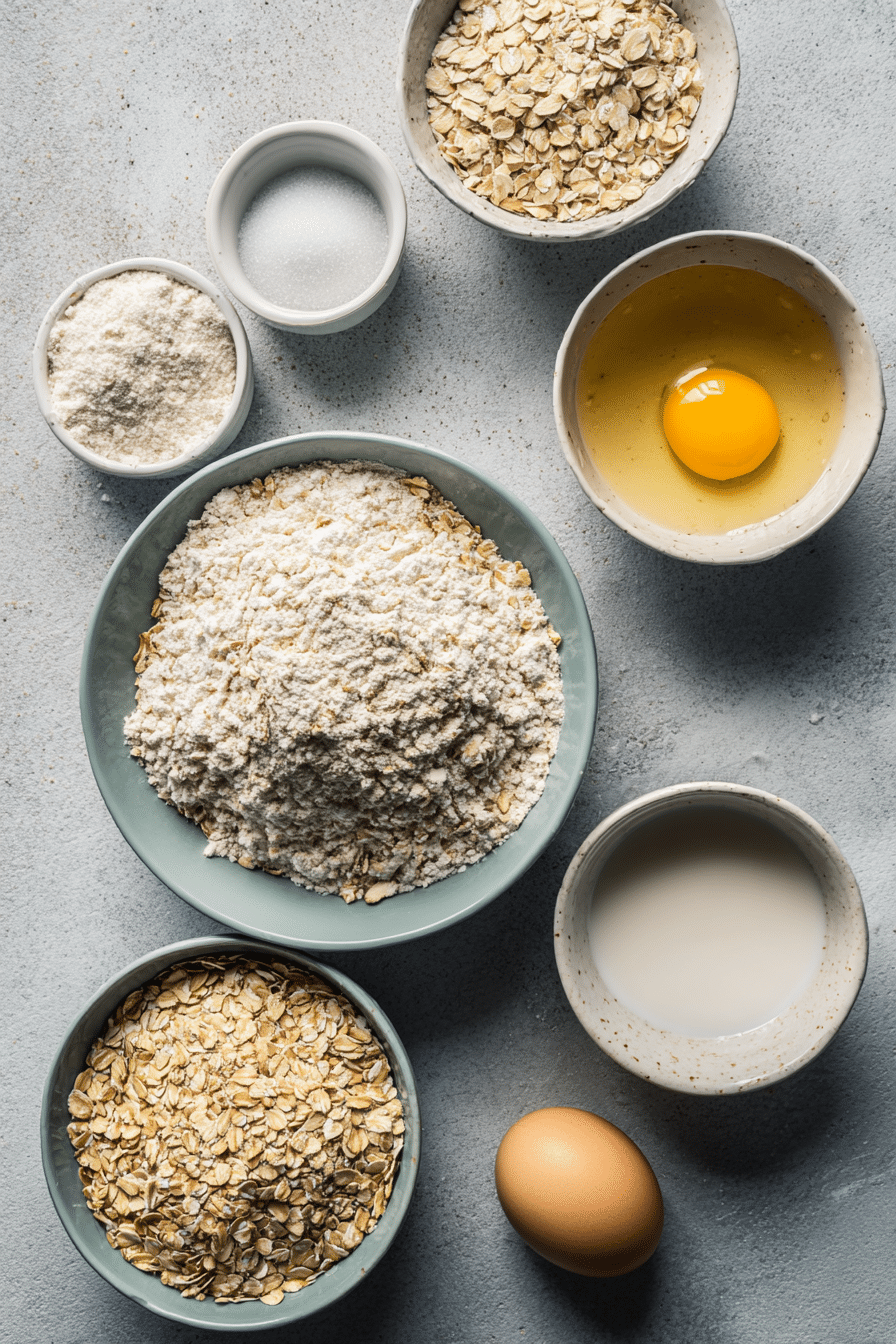
This pancake mix relies on oats for tenderness, a blend of flours for structure, and a smart combo of baking powder and baking soda for lift, especially when paired with buttermilk.
Ingredients
Mix
- 3 1/2 cups (312g) rolled oats, old-fashioned or quick-cooking
- 4 cups (454g) King Arthur Golden Wheat Flour
- 1 cup (120g) King Arthur Unbleached All-Purpose Flour
- 3 tablespoons (43g) granulated sugar
- 3 tablespoons (43g) baking powder
- 1 tablespoon table salt
- 1 tablespoon baking soda
- 1 cup (198g) vegetable oil
Pancakes
- 1 cup (120g to 135g) homemade mix
- 1 cup (227g) buttermilk
- 1 large egg
Ingredient Notes & Substitutions
The Flours: King Arthur Golden Wheat Flour brings a hearty, whole-grain flavor and extra structure, while the all-purpose flour softens the crumb so the pancakes stay tender, not heavy.
Malted Milk Powder: For the “double-malt” twist, I like adding 2 tbsp into the dry mix, it boosts browning and gives that nostalgic diner note.
Dairy-Free/Vegan: For a dairy-free version, use oat milk or almond milk in place of buttermilk, and swap in melted coconut oil where you’d normally add butter at serving time, you’ll still get a plush texture, just a slightly different tang.
The “Spoon and Level” Rule: If you want consistent results, weigh in grams when you can, it removes the guesswork that can make pancakes dense or dry.
How to Make pancake mix
Prep the Oats
- Grind the oats in a food processor until they’re chopped very fine, you want a sandy texture with a little character, not a pure powder.
Mix the Dry Ingredients and Add Oil
- Add the flours, the ground oats, and all the remaining dry ingredients to a mixer fitted with the paddle. Mix on low, then drizzle the vegetable oil in slowly while it runs, so the fat distributes evenly without forming greasy clumps.
Store the Mix
- Transfer the mix to an airtight container and store it up to two weeks at room temperature, or keep it in the refrigerator or freezer indefinitely for maximum freshness.
Whisk a Batch of Batter
- To make 5 to 8 pancakes, whisk together 1 cup of mix, 1 cup of buttermilk (or a combination of half plain yogurt and half milk, or 3/4 cup liquid whey), and 1 large egg. It may look thin at first, that’s normal, the oats will drink up the liquid and thicken as it stands.
Rest the Batter
- Let the batter stand for at least 20 minutes before cooking, this rest is where the texture turns from “okay” to truly fluffy and tender.
Heat the Griddle
- Heat a lightly greased griddle to 350°F. If your griddle has no thermometer, aim for medium-hot, you want steady heat, not smoking.
Portion and Shape
- Drop the batter in 1/4-cupfuls to make a 4-inch pancake, a jumbo cookie scoop makes quick work of this. If you have English muffin rings, use them for perfectly round, evenly thick pancakes.
Flip at the Right Moment
- Cook until the edges look dry and bubbles rise to the surface without breaking, about 2 minutes when the griddle is properly heated. Flip and cook the second side about 2 minutes, until the pancake feels set and looks deeply golden.
Serve or Hold Warm
- Serve right away, or stack pancakes on a baking sheet and tent with foil. Hold them in a 200°F oven for up to 30 minutes so everyone eats hot pancakes together.
The Science of Better Pancakes
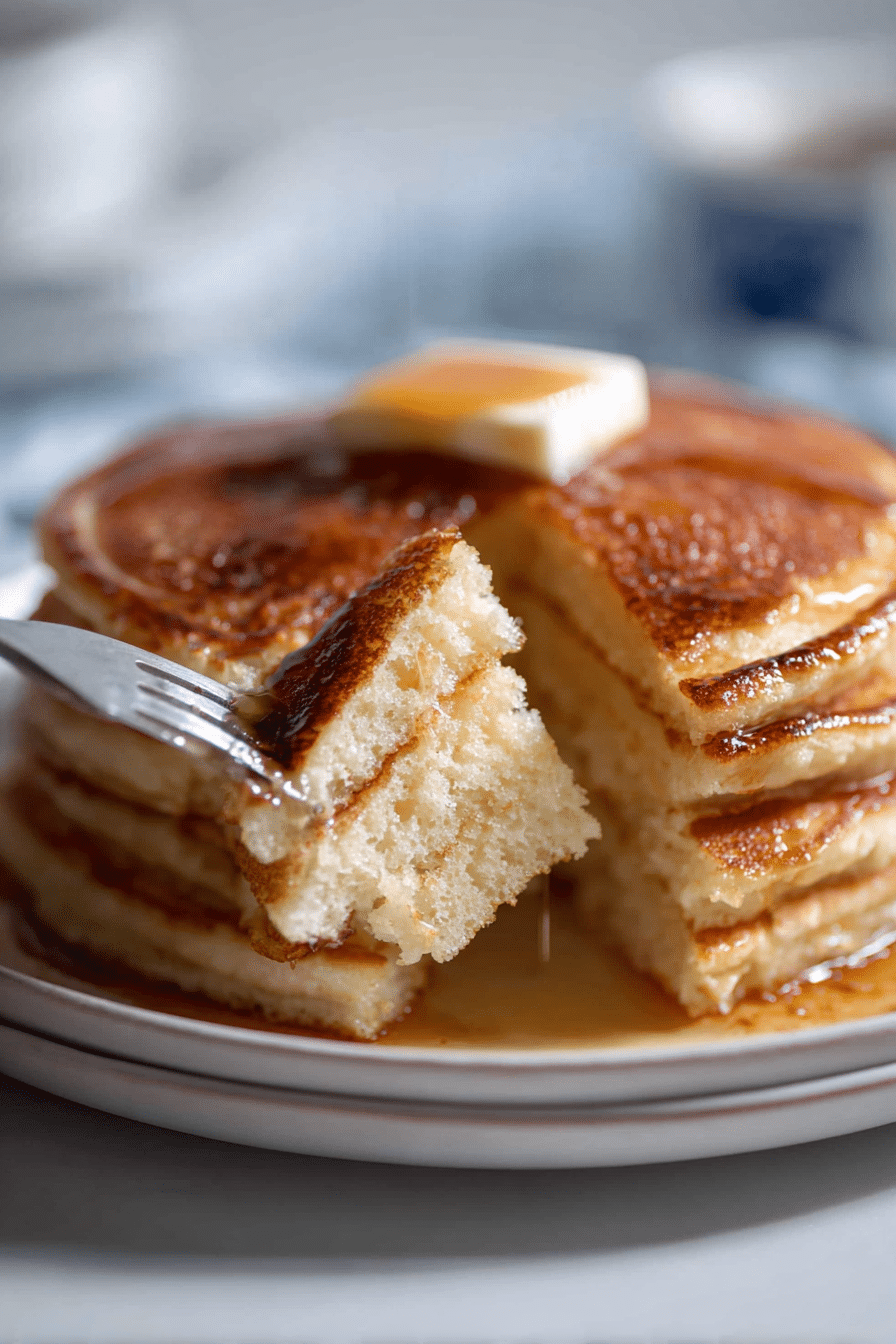
Why Resting the Batter Matters
That 20-minute rest is doing two quiet jobs, starch hydration and gluten relaxation.
The oats absorb buttermilk and swell, which thickens the batter naturally and prevents spread-out pancakes.
Meanwhile, resting limits aggressive gluten development, so you get fluffiness and a tender bite instead of chewiness, especially if you mixed a little more than intended.
High-Altitude Adjustments
At higher elevations, pancakes can over-rise and then collapse, or brown too fast before setting.
Start by slightly reducing the leavening agents in the mix you measure out for a batch, and be ready to add a small splash more liquid if the batter thickens too much during the rest.
Keep the griddle steady at 350°F, consistent heat matters more than ever when air pressure changes how fast bubbles expand.
Precision in Measurements
Cups can vary wildly depending on how you scoop, pack, or shake the flour.
The gram measurements in this pancake mix make it repeatable, which is crucial when you’re balancing chemical leaveners, acidity from buttermilk, and fat distribution.
If you want the quick science on chemical leaveners.
Pro Tips & Troubleshooting
Pro Tips
- Use aluminum-free baking powder to avoid any metallic edge in a simple pancake.
- Whisk a little melted butter into the batter for a more even, golden crust than greasing the pan heavily.
- Follow the “first pancake” rule, use it to calibrate heat and timing, then the rest of the batch becomes effortless.
- Stop whisking early, a few lumps are your friend for tenderness.
Common Mistakes to Avoid
- Overmixing: Too much stirring ramps up gluten development and can turn pancakes rubbery.
- Temperature Control: Heat that’s too high burns the outside while the center stays undercooked.
- Flipping Too Soon: Wait for the bubble test, set edges plus bubbles that rise without popping means it’s ready.
- Expired Agents: Old baking powder or baking soda can’t generate enough lift, which is a top cause of flat pancakes.
Serving & Storage
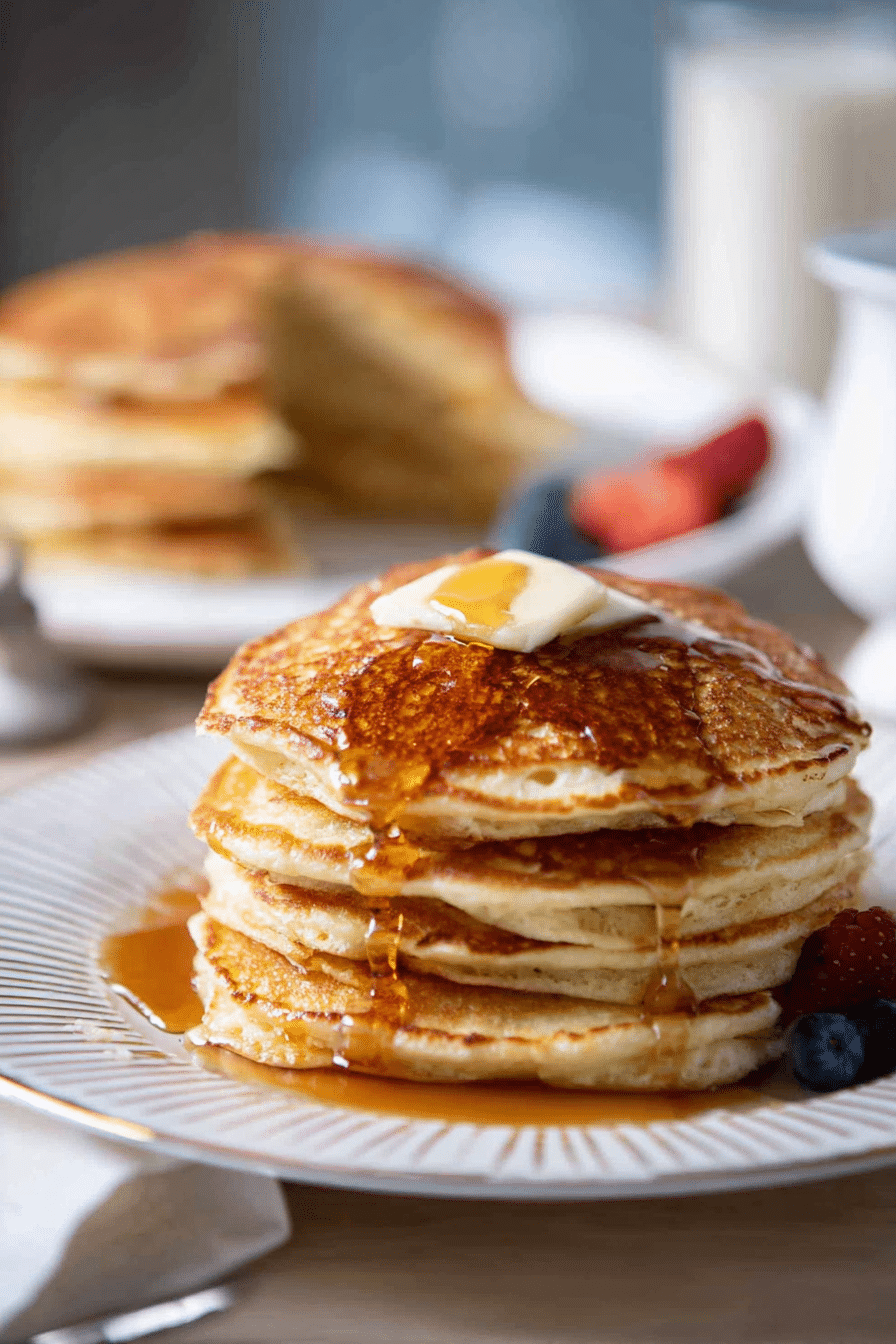
Serving Ideas
Go classic with Grade B maple syrup, the deeper flavor stands up to the whole grains.
Add fresh berries and Greek yogurt for bright, creamy contrast.
Sautéed cinnamon apples turn these into a weekend-style stack with almost no extra work.
Make blueberry pancakes next.
Or try cottage cheese pancakes soon.
Storage and Reheating
Freeze cooked pancakes in a single layer, then bag them once solid so they don’t stick together.
Reheat straight from frozen in a toaster for crisp edges, or warm on a sheet pan in the oven until hot through.
Follow this shelf life.
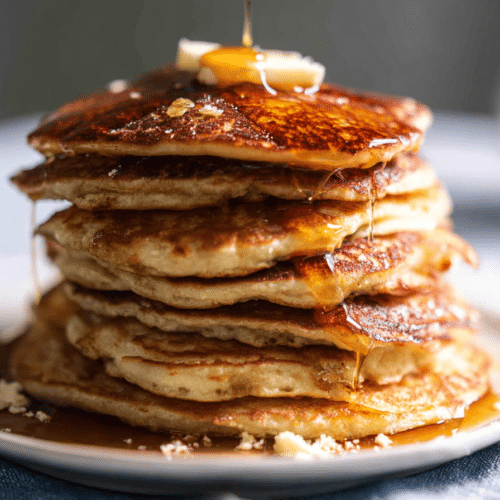
Ultimate Pancake Mix Recipe

Equipment
- Food processor
- Mixer with paddle attachment
- Airtight container
- Lightly greased griddle
- Whisk
Ingredients
Mix
- 3 1/2 cups (312g) rolled oats, old-fashioned or quick-cooking*
- 4 cups (454g) King Arthur Golden Wheat Flour
- 1 cup (120g) King Arthur Unbleached All-Purpose Flour
- 3 tablespoons (43g) granulated sugar
- 3 tablespoons (43g) baking powder
- 1 tablespoon table salt
- 1 tablespoon baking soda
- 1 cup (198g) vegetable oil*
- 2 tbsp malted milk powder add into the dry mix
Pancakes
- 1 cup (120g to 135g) homemade mix
- 1 cup (227g) buttermilk*
- 1 large egg
Instructions
Prep the Oats
- Grind the oats in a food processor until they’re chopped very fine; aim for a sandy texture with a little character, not a pure powder.
Mix the Dry Ingredients and Add Oil
- Add the flours, the ground oats, and all the remaining dry ingredients (including the malted milk powder) to a mixer fitted with the paddle. Mix on low, then drizzle the vegetable oil in slowly while it runs, so the fat distributes evenly without forming greasy clumps.
Store the Mix
- Transfer the mix to an airtight container and store it up to two weeks at room temperature, or keep it in the refrigerator or freezer indefinitely for maximum freshness.
Whisk a Batch of Batter
- To make 5 to 8 pancakes, whisk together 1 cup of mix, 1 cup of buttermilk (or a combination of half plain yogurt and half milk, or 3/4 cup liquid whey), and 1 large egg. If it looks thin at first, that’s normal; the oats will absorb liquid and thicken as it stands.
Rest the Batter
- Let the batter stand for at least 20 minutes before cooking.
Heat the Griddle
- Heat a lightly greased griddle to 350°F (or medium-hot if you don’t have a thermometer), aiming for steady heat that isn’t smoking.
Portion and Shape
- Drop the batter in 1/4-cupfuls to make a 4-inch pancake. Use English muffin rings if you want perfectly round, evenly thick pancakes.
Flip at the Right Moment
- Cook until the edges look dry and bubbles rise to the surface without breaking, about 2 minutes. Flip and cook the second side about 2 minutes, until set and deeply golden.
Serve or Hold Warm
- Serve right away, or stack pancakes on a baking sheet and tent with foil. Hold in a 200°F oven for up to 30 minutes.
Notes
Nutrition
Conclusion
This is the pancake mix I keep on standby for thick, fluffy stacks with a deeper, malt-kissed aroma and reliable lift.
Once you’ve made the bulk batch, breakfast becomes a simple whisk, a 20-minute rest, and a quick griddle session.
Tell me your favorite topping combo in the comments, I’m always looking for new diner-style ideas at home.
FAQ
How do I make my pancake mix fluffier?
Make sure your baking powder and baking soda are fresh, then mix the batter gently and let it rest for at least 20 minutes. Fluffiness comes from strong leavening plus minimal gluten development.
Can I substitute water for milk in this mix?
You can, but you’ll lose flavor and tenderness because milk or buttermilk adds fat, proteins, and acidity. Buttermilk especially helps the baking soda do its job for better rise.
How long does homemade pancake mix last in the pantry?
Stored airtight, it keeps up to two weeks at room temperature. For longer storage, keep it in the refrigerator or freezer indefinitely.
Why is it important to let the batter rest?
Resting gives starch hydration time, especially from the oats, and it relaxes the batter so pancakes cook up tender instead of tough.
Why are my pancakes flat?
The most common causes are expired leavening agents, batter that didn’t rest long enough to thicken, or a griddle that’s not hot enough. Also avoid overmixing, which can make pancakes spread and bake up dense.
Can I add mix-ins like blueberries directly into the dry mix?
I prefer adding mix-ins to the batter right before cooking so they don’t bleed color or add moisture during storage. For chocolate chips or nuts, you can stir them into the batter just before portioning.
Can I use this mix to make waffles?
Yes, but waffles usually need a bit more richness for structure and crispness. Add an extra egg or a little extra oil to the batter, then cook in a well-heated waffle iron until deeply golden.
If I want crepes instead, what should I do?
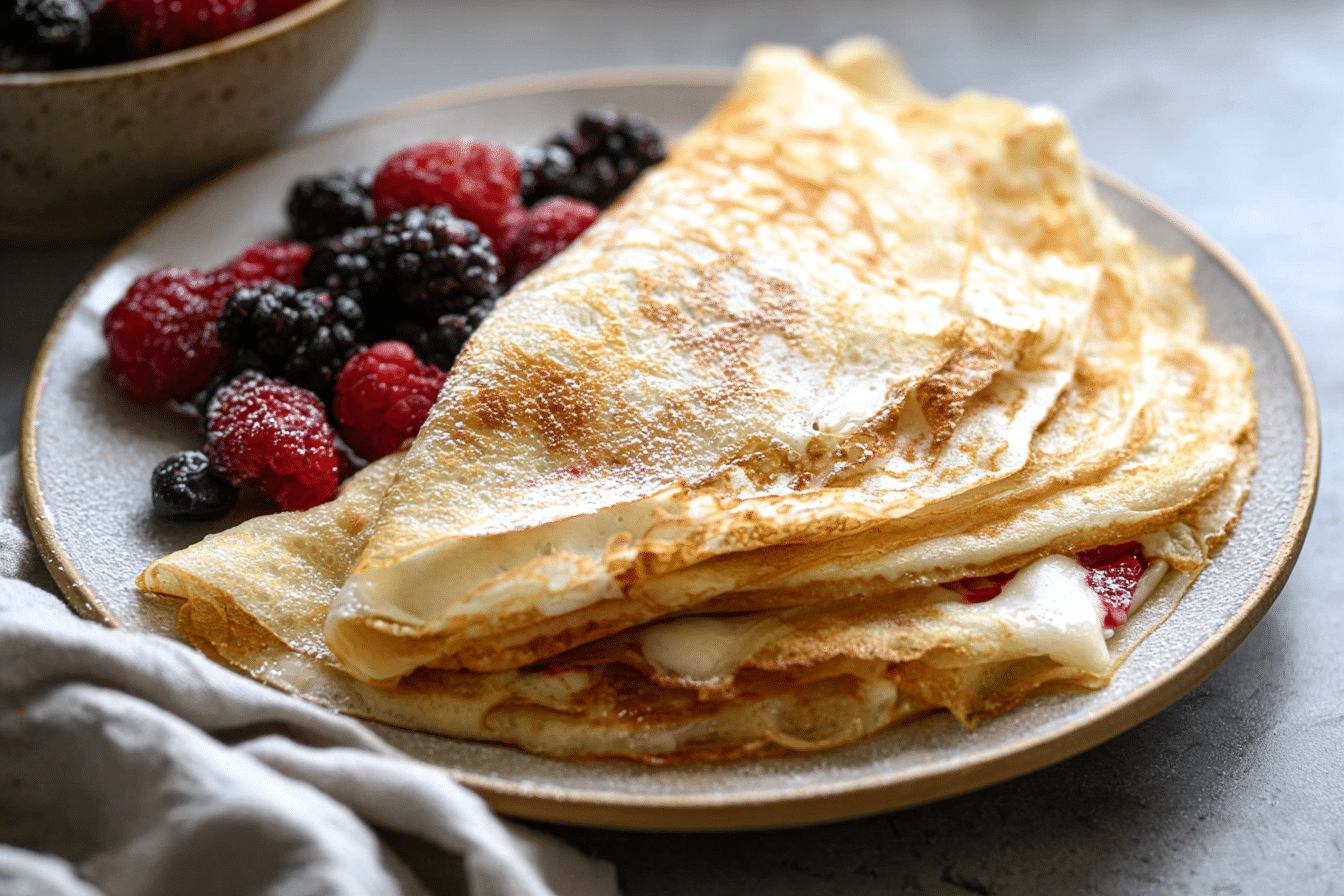
Use a dedicated batter method, crepes are thinner and rely on different ratios and technique than pancake mix. Start with this crepe recipe.