Skip to content
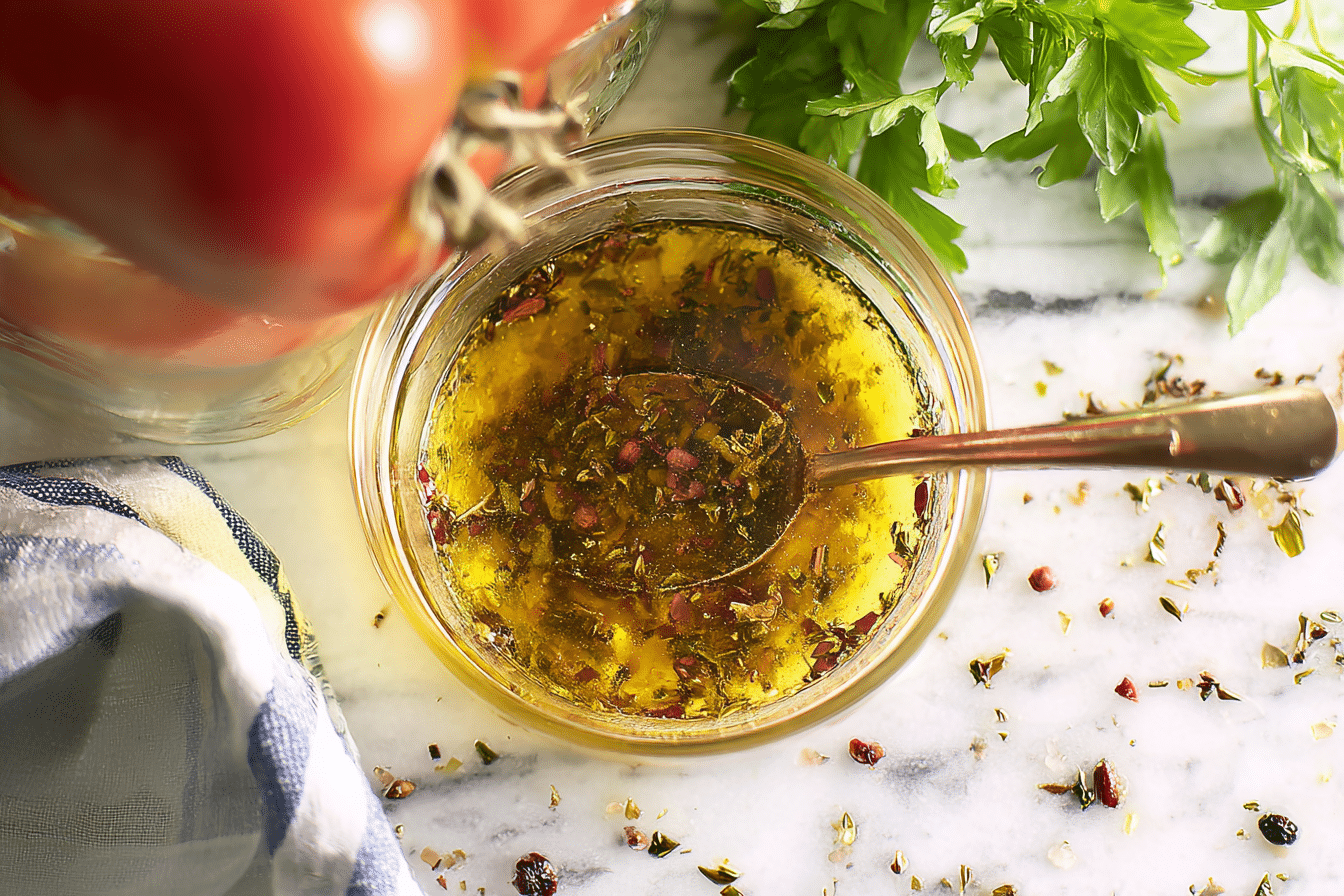
Italian dressing is one of those kitchen staples I reach for constantly, it wakes up a simple green salad, turns a grain bowl into a real meal, and pulls double duty as a quick marinade. The problem is that most bottled versions taste flat or overly sharp once you start paying attention.
This italian dressing recipe is my from-scratch fix, bright, zesty, and savory, with one small technique that makes it taste like you worked much harder than you did. You will learn how to build a balanced homemade vinaigrette, how to coax bigger herb flavor, and how to store it so it is ready whenever you are.
Why You’ll Love This Recipe
- The secret twist, herb blooming: Warm about 2 tablespoons of the measured extra-virgin olive oil, then let the dried oregano and dried thyme sit in it for 5 to 10 minutes before mixing, it unlocks a deeper, more aromatic Italian dressing.
- Why it works: Dried herbs hold flavorful oils, gentle warmth helps those oils release into the fat, so the dressing tastes rounder than when herbs are added cold.
- Fast, no-fuss homemade vinaigrette: After blooming, it is just whisk, or shake in a Mason jar, and you are done.
- More versatile than salad dressing: I use it as a marinade and as a finishing drizzle on roasted vegetables.
- Personal note: I discovered this tweak after a “why does this taste bland?” batch, blooming turned the same pantry herbs into something I could actually smell across the counter.
Ingredients and Substitutions
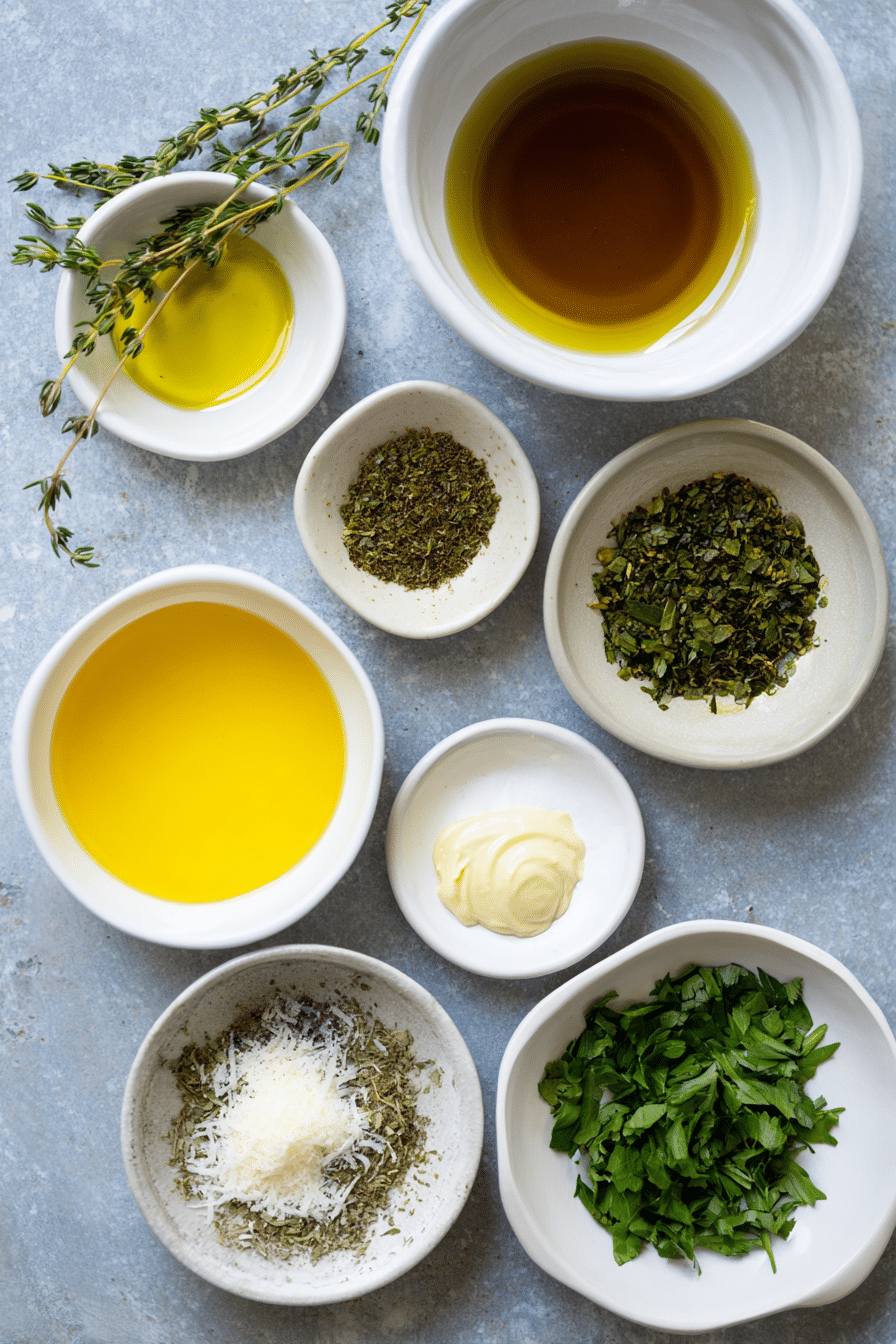
This dressing is all about balance, acid from vinegar and lemon juice, fat from olive oil, plus herbs, garlic, and a touch of sweetener to round it out.
Ingredients
- 6 tablespoons extra-virgin olive oil
- 3 tablespoons white wine vinegar
- 3 tablespoons fresh lemon juice
- 1½ tablespoons finely chopped fresh parsley
- 1½ teaspoons honey
- 1½ teaspoons dried oregano
- 1 garlic clove, grated
- ¾ teaspoon Dijon mustard
- ¾ teaspoon dried thyme
- Heaping ¼ teaspoon sea salt
- Freshly ground black pepper
- 3 tablespoons Parmesan cheese, optional
Ingredient Notes & Substitutions
Extra-virgin olive oil: This is the backbone of flavor in a homemade Italian dressing, so use one you would happily dip bread into. If you are curious about why EVOO is often highlighted for its qualities, Harvard has a helpful overview in , and it aligns with what I notice in the bowl, better oil tastes smoother and less bitter.
White wine vinegar: It gives a clean, classic tang that lets the herbs shine. You can swap in red wine vinegar for a bolder bite, or champagne vinegar for something softer, then fine-tune with a touch more honey if needed.
Honey: This does not make the dressing sweet, it simply takes the sharp edge off the acid so the herbs and garlic taste more “rounded.” If you want a vegan option, maple syrup works beautifully in the same role.
Garlic clove, grated: Grating is the difference between a dressing that tastes evenly garlicky and one that has random spicy chunks. I use a microplane and rub the clove back and forth into a paste, then scrape the underside of the microplane so every bit of juice goes into the bowl.
Dijon mustard: Think of this as your emulsifier, it helps the oil and vinegar stay together longer and adds a gentle tang. If you struggle with separation, a little extra Dijon mustard can help.
Fresh vs. dried herbs: Dried oregano and dried thyme are dependable and pantry-friendly, and we maximize their impact by blooming them in warm olive oil. If you want a fresh-herb finish, add chopped chives, basil, or tarragon right at the end so they stay bright.
Parmesan cheese, optional: Parmesan cheese adds umami and a salty, savory depth, but it is truly optional. For a dairy-free or vegan dressing, simply skip it and lean on maple syrup instead of honey.
Dietary needs: This recipe is naturally gluten-free as written. For vegan and dairy-free, use maple syrup in place of honey and omit the Parmesan cheese, you still get a punchy, emulsified vinaigrette.
How to Make italian dressing recipe
Bloom the Herbs (the flavor booster)
- Warm approximately 2 tablespoons of the measured extra-virgin olive oil until it is just warm to the touch, not sizzling, then stir in the dried oregano and dried thyme. Let the herbs sit in the warm oil for 5 to 10 minutes so they bloom and smell intensely herbal.
Whisk or Shake the Dressing
- In a medium bowl, or in a Mason jar for easy shaking, combine the remaining extra-virgin olive oil, white wine vinegar, fresh lemon juice, finely chopped fresh parsley, honey, dried oregano, grated garlic, Dijon mustard, dried thyme, sea salt, and several grinds of black pepper. Pour in the warm herb oil, then whisk vigorously until the dressing looks slightly creamy and emulsified, or seal the jar and shake hard for 30 to 60 seconds.
- If desired, stir in the cheese, then taste and adjust with more salt, pepper, acidity, or a tiny touch more honey until it tastes bright and balanced.
Mastering Your Homemade Italian Dressing
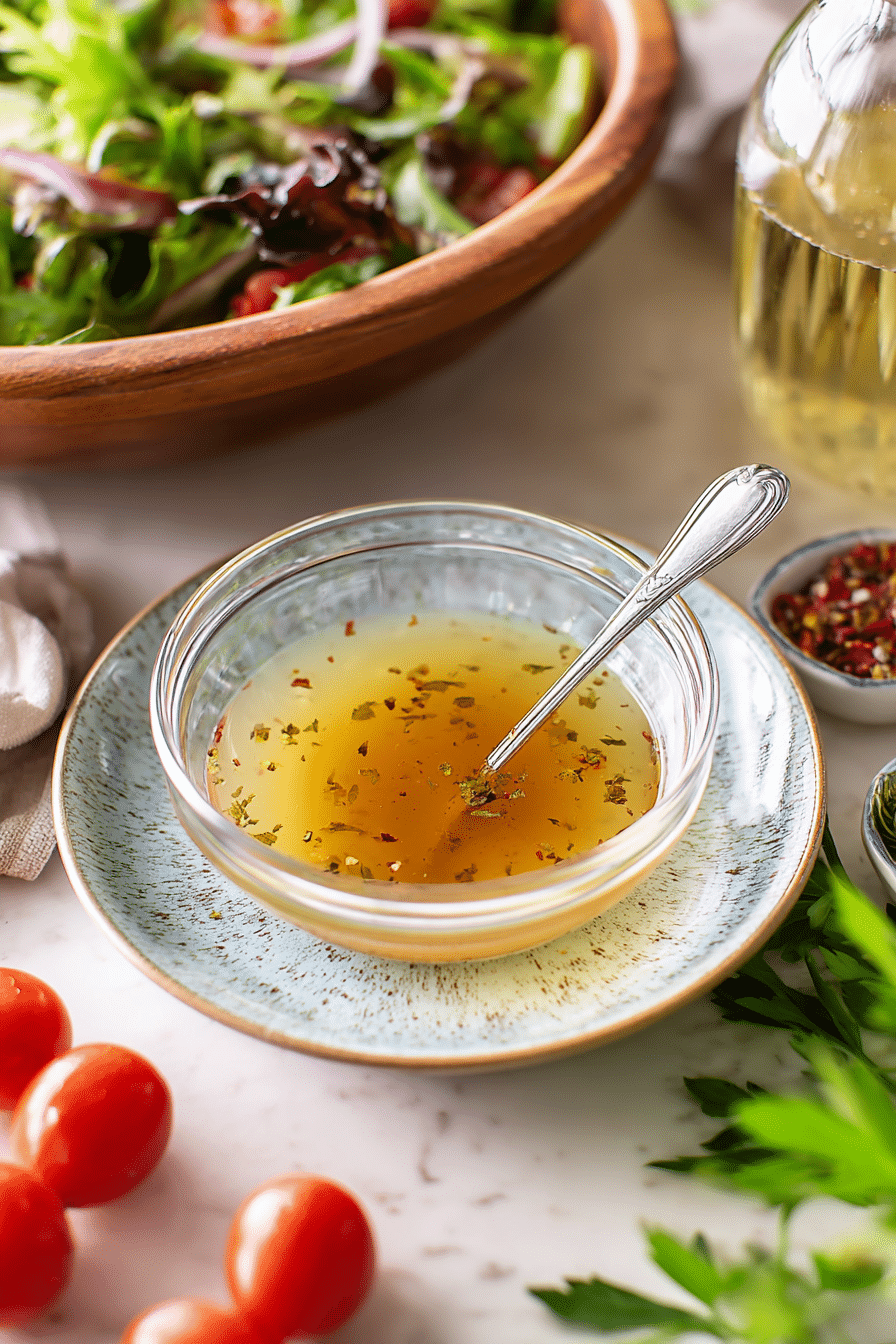
Adjusting Sweetness and Acidity
The “spark” in Italian dressing comes from acid, here it is both white wine vinegar and lemon juice, balanced by fat from extra-virgin olive oil.
If it tastes flat, add a tiny splash more vinegar or lemon juice, then whisk and taste again.
If it tastes too tart, add honey (or maple syrup) ¼ teaspoon at a time, whisking and tasting after each addition so you do not overshoot the balance.
Troubleshooting Separation
Oil and vinegar naturally separate, that is normal for a vinaigrette, especially after it sits in the fridge.
To fix it, shake the jar hard or re-whisk right before serving, you will see it turn cohesive again in seconds.
If yours separates almost immediately every time, add a little more Dijon mustard for extra emulsifying power. For an even sturdier emulsion, a small dab of white miso paste can add body and help it hold.
Yield and Microplaning Garlic
This recipe yields approximately 1 cup of dressing, enough for several salads or a week of quick marinades.
For the strongest, smoothest garlic flavor, use a microplane, hold it over the bowl or jar, grate the peeled garlic clove into a fine paste, then tap and scrape the underside to release every bit of garlic pulp and juice.
Pro Tips & Troubleshooting
Pro Tips
- Replace dried oregano and dried thyme about every 6 months, old spices smell dusty and make a bland dressing even if you bloom them.
- Use a high-quality extra-virgin olive oil, you will taste it immediately in a simple homemade vinaigrette.
- Want more punch, use very fresh garlic and plan to use the dressing within 4 days for the most assertive flavor.
- Mix in a Mason jar so you can emulsify by shaking, then store in the same container with no mess.
- Add a pinch of red pepper flakes if you like a subtle heat that plays well with Parmesan cheese.
Common Mistakes to Avoid
- Skipping the herb bloom, adding dried herbs straight into a cold mix leaves their flavor muted and the dressing tastes less fragrant.
- Using stale dried spices, if they do not smell like much in the jar, they will not magically taste better in the bowl.
- Under-whisking or barely shaking, you need vigorous mixing to properly emulsify, otherwise separation happens immediately.
- Omitting sweetener entirely, without honey or maple syrup the vinegar and lemon juice can taste aggressively sharp instead of balanced.
- Mincing big chunks of garlic, they can hit like little raw “landmines.” Grate the garlic clove so the flavor disperses evenly.
Serving & Storage
Serving Ideas
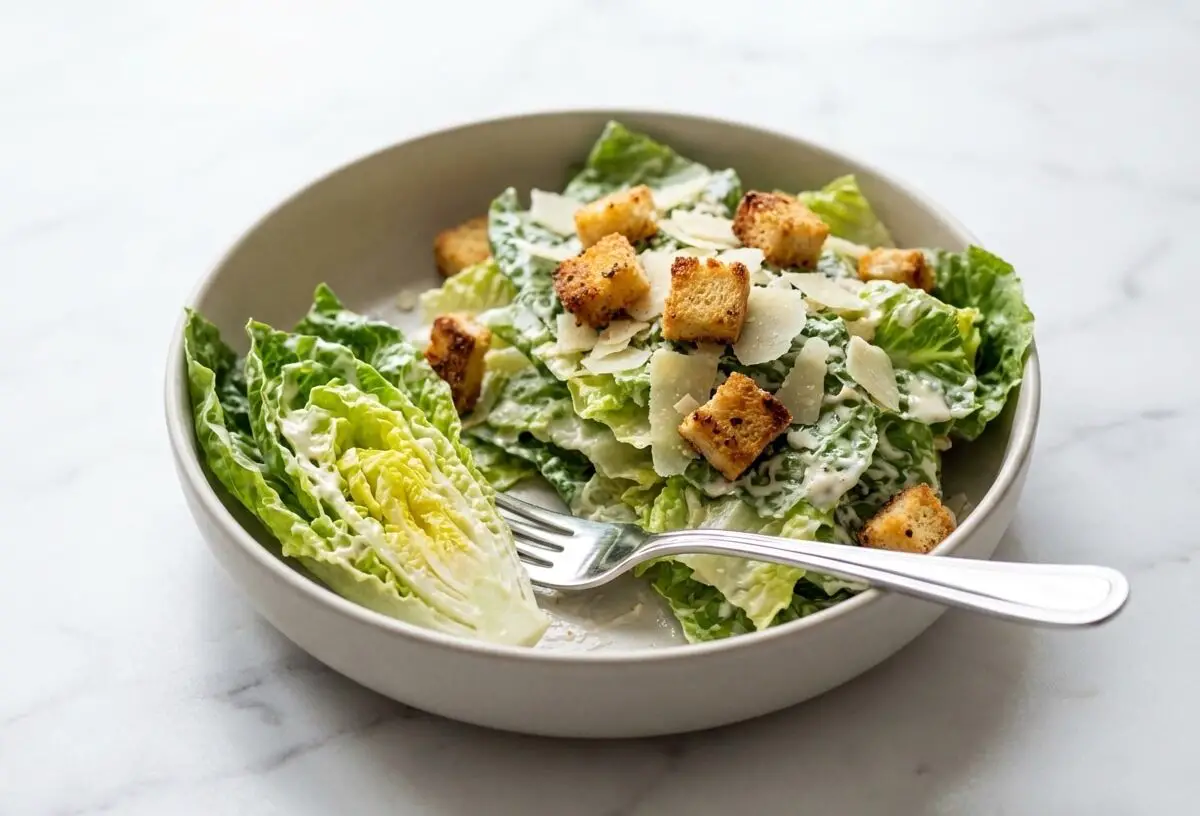
Salads: Toss with crisp romaine, mixed greens, a chopped salad, or pasta salads, it is especially good on our popular tuna pasta salad when you want something brighter than mayo-based dressing.
More salads: Try it as a zippy alternative to dress lighter, crunchy sides like our creamy pea salad, start with a little and add more to taste.
Grain bowls: Spoon it over quinoa, couscous, farro, or chickpeas, then add roasted veggies and something crunchy. If you are building breakfast-style grain bowls too, a savory drizzle alongside crunchy clusters from our homemade granola recipe can be unexpectedly good.
Marinades: Use it as a marinade for chicken, fish, or vegetables like asparagus, eggplant, zucchini, and skewer-friendly peppers, then grill or roast.
Roasted vegetables: Drizzle over roasted cauliflower, broccoli, potatoes, or Brussels sprouts right after they come out of the oven so the aroma blooms as it hits the heat.
Legumes for meal prep: Toss cooked lentils, chickpeas, or white beans with a few spoonfuls for instant lunches that do not taste “same-y” by day three.
Storage and Make-Ahead
Store homemade Italian dressing in an airtight container, a Mason jar is perfect, in the refrigerator for up to 1 to 2 weeks. Because this includes fresh garlic, I follow conservative home-handling guidance like the USDA’s to keep things safe and fresh.
If you add Parmesan cheese, aim to use it within 5 to 7 days for best quality and flavor.
Separation is normal, and the extra-virgin olive oil may solidify in the fridge. Let it sit at room temperature for 15 to 30 minutes, then shake vigorously until it looks emulsified again.
I do not recommend freezing, it can ruin the texture and make the dressing hard to re-emulsify.
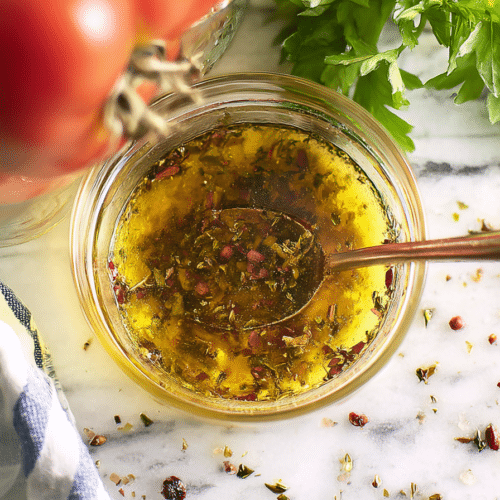
Easy Italian Dressing Recipe

Equipment
- Small saucepan
- Medium bowl or Mason jar
- Whisk
- Microplane (for garlic)
Ingredients
- 6 tablespoons extra-virgin olive oil
- 3 tablespoons white wine vinegar
- 3 tablespoons fresh lemon juice
- 1½ tablespoons finely chopped fresh parsley
- 1½ teaspoons honey
- 1½ teaspoons dried oregano
- 1 garlic clove grated
- ¾ teaspoon Dijon mustard
- ¾ teaspoon dried thyme
- 1/4 teaspoon sea salt heaping
- freshly ground black pepper
- 3 tablespoons Parmesan cheese optional
Instructions
Bloom the Herbs (the flavor booster)
- Warm approximately 2 tablespoons of the measured extra-virgin olive oil until it is just warm to the touch (not sizzling), then stir in the dried oregano and dried thyme.
- Let the herbs sit in the warm oil for 5 to 10 minutes so they bloom and smell intensely herbal.
Whisk or Shake the Dressing
- In a medium bowl (or in a Mason jar), combine the remaining extra-virgin olive oil, white wine vinegar, fresh lemon juice, finely chopped fresh parsley, honey, dried oregano, grated garlic, Dijon mustard, dried thyme, sea salt, and several grinds of black pepper.
- Pour in the warm herb oil, then whisk vigorously until the dressing looks slightly creamy and emulsified, or seal the jar and shake hard for 30 to 60 seconds.
- If desired, stir in the cheese, then taste and adjust with more salt, pepper, acidity, or a tiny touch more honey until it tastes bright and balanced.
Notes
Nutrition
Conclusion
This italian dressing recipe tastes bright, tangy, and savory, and the warm-oil herb blooming trick makes the dried oregano and dried thyme taste surprisingly alive.
Once you make it a couple times, you will start adjusting it instinctively for your salads, marinades, and roasted vegetables. Make a jar, play with small variations, and keep it in the fridge so dinner feels easier all week.
FAQ
How long does homemade Italian dressing last and how should it be stored?
Kept in an airtight container in the refrigerator, it lasts 1 to 2 weeks. Separation is normal, and the olive oil may firm up, let it sit at room temperature for 15 to 30 minutes and shake or whisk before using.
What are the best types of olive oil and vinegar to use for Italian dressing?
Use a good extra-virgin olive oil because it is the main flavor in the vinaigrette. For vinegar, white wine vinegar is classic and clean, but red wine vinegar adds a bolder bite and champagne vinegar is softer and more delicate.
Can I customize this Italian dressing recipe for dietary restrictions or different flavors?
Yes. For a vegan or dairy-free version, omit Parmesan cheese and use maple syrup instead of honey. For heat, add a pinch of red pepper flakes, and for a different tang try swapping the vinegar while keeping the overall balance of acid and fat.
What are common ways to use homemade Italian dressing beyond salads?
Use it as a marinade for chicken, fish, or vegetables, drizzle it over roasted vegetables, or toss it into grain bowls, pasta salads, and beans like chickpeas or white beans for easy meal prep.
Why did my homemade Italian dressing separate, and how can I fix it?
Oil and vinegar naturally separate over time. Fix it by shaking vigorously in a jar or re-whisking right before serving, and consider a little extra Dijon mustard to help the dressing emulsify and stay together longer.
What is the best way to get a strong garlic flavor in my dressing?
Grate the garlic clove with a microplane so it turns into a paste that disperses throughout the dressing, that gives you bold garlic flavor without unpleasant chunks. Using very fresh garlic and enjoying the dressing within a few days also boosts the punch.
Is homemade Italian dressing healthy?
Homemade is often a healthier-feeling choice because you control the ingredients, especially the extra-virgin olive oil, and you can avoid excess sugar or additives common in some store-bought dressings. It is still a fat-forward vinaigrette, so serve it the way you would any rich dressing, with balance in mind.