Skip to content
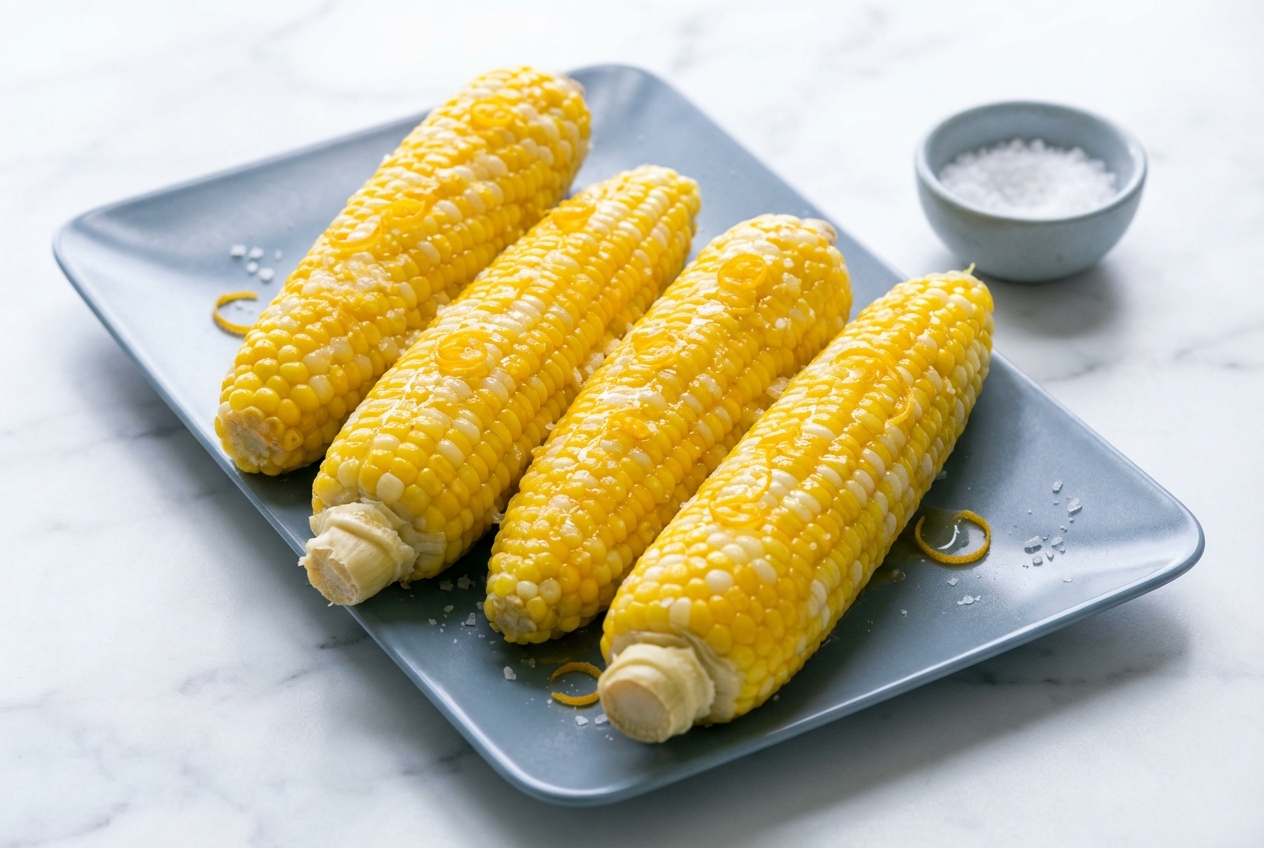
Nothing takes me back faster than the smell of sweet corn at a backyard cookout, hot grill in the air, paper plates stacked high, and that first bite that should snap, not squeak. When people ask me how to cook corn on the cob, they usually confess the same problem: they boiled it to death, and the kernels turned starchy and tough.
This gentle, low-heat method is my go-to when I want guaranteed juicy crunch without babysitting the stove. It’s perfect for busy summer dinners, big gatherings, and anyone who wants corn that tastes like it was picked this morning.
Why You’ll Love This Recipe
The Citrus-Honey Poach Twist: In my kitchen, a little honey and a bright citrus squeeze wakes up sweet corn, making the kernels taste fuller and less “flat,” like turning up the volume on summer.
Foolproof Texture: The secret is stopping the rolling boil and letting residual heat do the work, so the kernels stay plump and crisp instead of slipping into that chewy, overcooked zone.
Minimal Effort, Maximum Payoff: Once the pot is covered, you can walk away for 10 minutes, and the corn silk, husks, and all your other prep drama stop running the show.
Ingredients and Substitutions
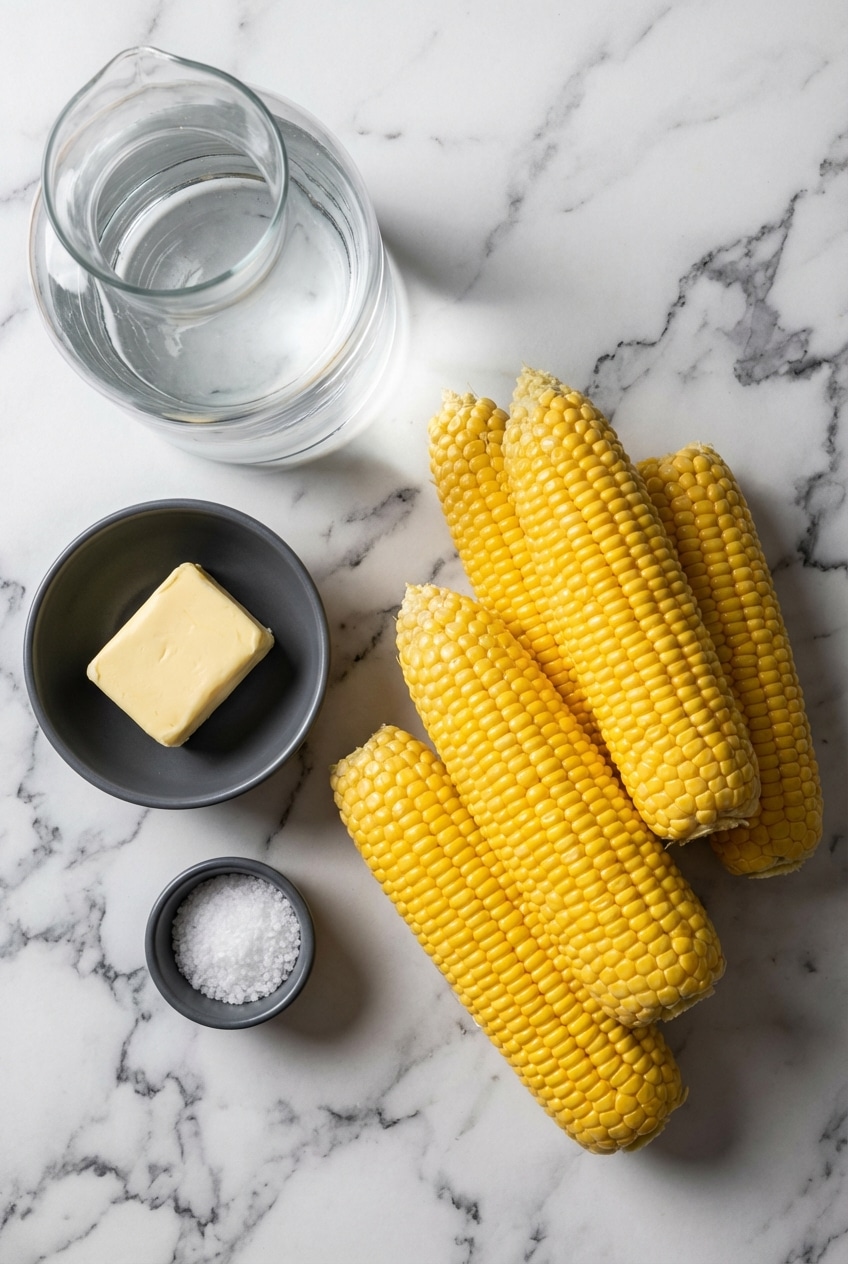
This short list is the whole point: water to cook gently, sweet corn for that clean summer snap, and a simple finish that melts into every kernel.
Ingredients
- 4 quarts water
- 4 large ears sweet corn, shucked
- Optional: Butter and sea salt
Ingredient Notes & Substitutions
Corn Selection: I always look for bright green, damp husks and golden, sticky tassels. Skip ears with tassels that look black, brittle, or dried out, that’s usually where “tough corn” starts.
Water Volume: 4 quarts is about 3.8 liters, and that amount helps the pot bounce back to a strong boil fast. If the water struggles to return to a rolling boil, the timing gets less reliable.
Butter Varieties: If you keep butter simple, choose a rich grass-fed one for a deeper dairy sweetness. When I want something special, a compound butter with garlic-herb or chipotle-lime turns corn into the first thing people reach for.
How to cook corn on the cob
Bring the Water to a True Boil
Fill a large stockpot with 4 quarts of water and bring it to a full rolling boil, the kind where big bubbles break the surface nonstop. That heat matters because the corn goes in fast, then the burner turns off.
Cook Gently Off the Heat
- Slide the shucked ears of sweet corn into the boiling water and make sure they’re fully submerged. You should smell that clean, grassy sweetness right away.
- Cover the pot with a tight-fitting lid and remove it from the heat immediately. This is the no-heat method, the corn bathes in steady, gentle heat instead of getting hammered by an active boil.
Rest, Drain, and Finish
- Let the corn sit undisturbed for 10 minutes, and resist lifting the lid. When it’s ready, the kernels look glossy and swollen, and they feel crisp-tender when you press one with a fingernail.
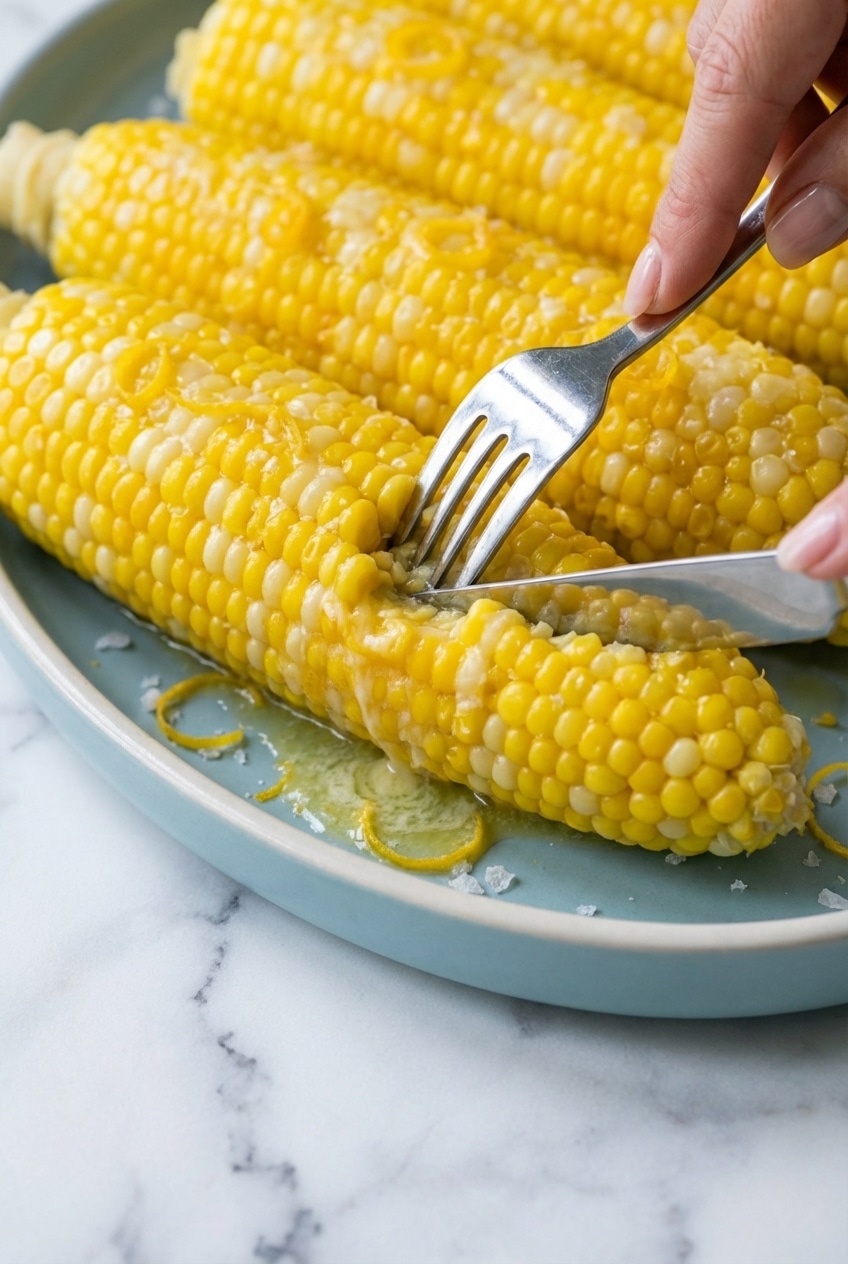
- Drain well, then top with butter and sea salt while the ears are still steaming. The best part is watching the butter melt into the little crevices between kernels.
Secrets for a Flawless Summer Side
Fixing tough corn: Late-season or older sweet corn can taste more starchy because sugars fade fast after harvest. If an ear seems a bit “aged,” I’ll sometimes add a pinch of sugar to the water to nudge the sweetness back where it belongs.
The salt rule: Salting the water before cooking is the classic mistake that can tighten kernels. I like to salt at the table, and the University of Nebraska-Lincoln shares similar university extension guidelines for timing and texture.
Temperature control: A long, aggressive boil breaks down cell walls too much, which is why kernels turn mushy, then oddly rubbery as they cool. Pulling the pot off heat keeps the corn tender with that crisp pop, no Maillard reaction needed for this kind of perfection.
On a cookout plate, this corn plays beautifully with smoky mains, especially when there’s a sticky glaze involved. That balance sings next to a good homemade BBQ sauce, and the sweet kernels keep every bite feeling fresh.
If you’re building a lighter summer spread, a second veggie side makes it feel complete without feeling heavy. Something like baked zucchini fries brings crunch and keeps the whole meal bright.
Pro Tips & Troubleshooting
Pro Tips
- For rapid shucking, grab about a third of the husk and corn silk at the top and rip downward in one confident pull. The cob should come out clean with far less fuss.
- Fresh sweet corn is a race against time, so I chill it right after buying to slow that sugar-to-starch shift. Purdue explains the science behind sugar-to-starch conversion if you love the “why” as much as the bite.
- If you want a richer, creamier finish, the milk bath alternative is dreamy: simmer in water with milk and butter, then finish with salt. It’s indulgent, and the kernels taste almost dessert-sweet.
- When shopping, quality cues matter, and the official USDA standards line up nicely with what cooks notice at home, fresh husks, well-developed kernels, and good color.
Common Mistakes to Avoid
- Peeking in the store by peeling back the husk dries kernels out quickly. I gently squeeze the cob instead, you want plump, even rows without soft spots.
- Overcooking on active heat is the big one, boiling hard for more than a few minutes is how corn goes from juicy to chewy. The covered rest is where the magic happens.
- Lifting the lid during the 10-minute soak dumps heat and steam. Leave it alone and you’ll get consistently tender kernels.
Serving & Storage
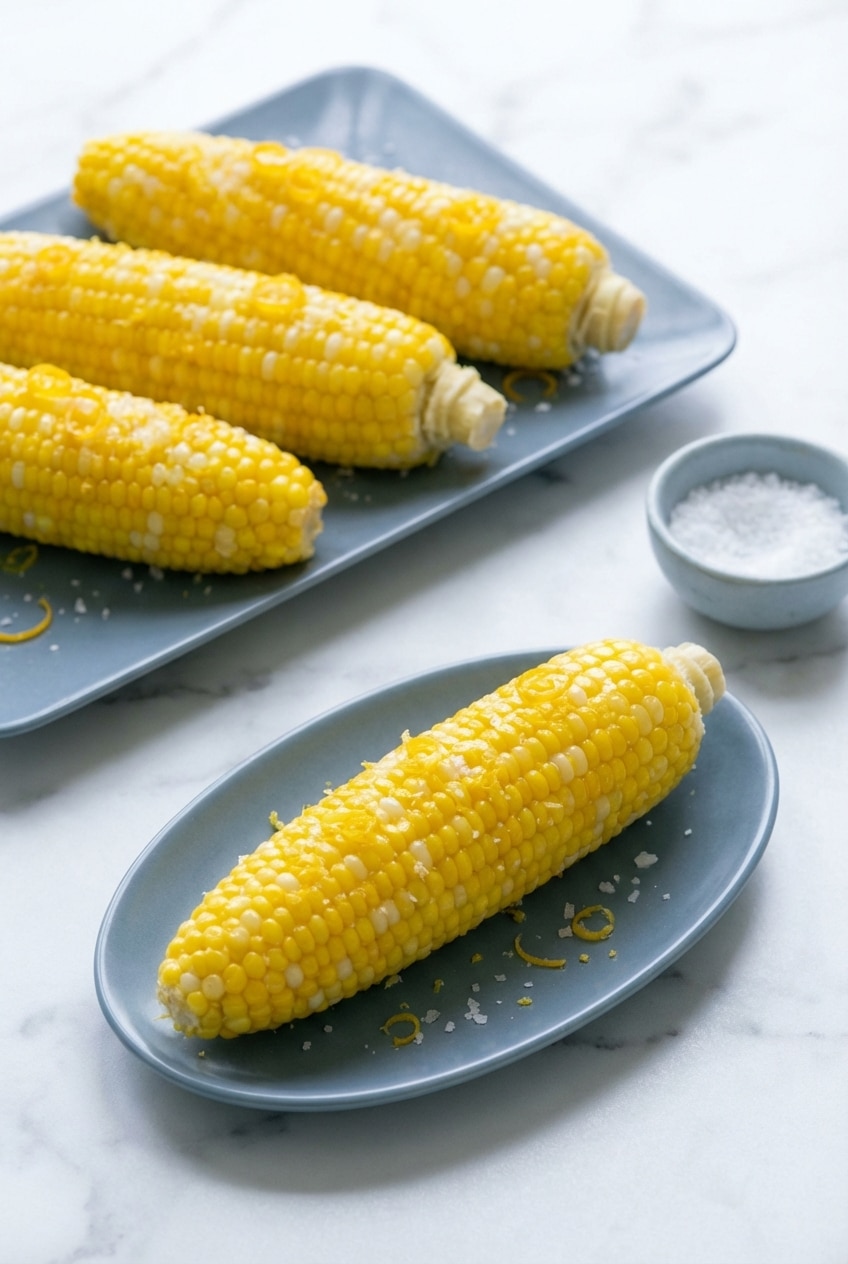
Serving Ideas
Global flavors: Mexican-style elote is always a hit, mayo, Cotija, chili powder, and lime turn sweet corn into a full-on obsession. I like to finish with extra lime zest so the aroma hits before the first bite.
Summer salads: To cut kernels off the cob safely, stand the ear upright in a wide bowl and slice downward, letting the kernels fall instead of scattering across the counter. Those leftover kernels disappear fast in salsas, pasta salads, or stirred into a cozy corn chowder recipe when the weather cools down.
Cookout pairings: Corn loves a grill-out lineup, and it fits right in beside a build-your-own station with creative hot dog toppings. The sweet kernels balance spicy relishes, pickles, and mustardy crunch.
Storage and Reheating
Timeline: Shucked corn keeps about 2 days in the fridge, while unshucked corn can hold around 5 days. I store it cold and covered, because sweetness fades as it sits.
Reheating leftovers: Wrap a cob in a damp paper towel and microwave until hot, which helps steam it back to juicy without drying the kernels. If you have several ears, a quick warm-up in a covered pot with a splash of water works beautifully too.
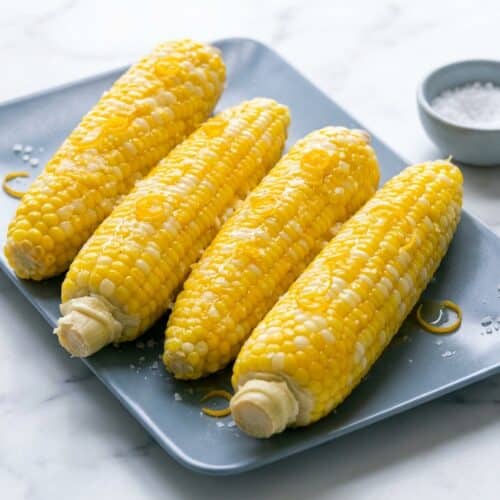
Perfectly Sweet And Tender Corn On The Cob

Equipment
- Large Stockpot
- Tight-fitting lid
Ingredients
- 4 quarts water
- 4 large ears sweet corn, shucked
- Optional Butter and sea salt
Instructions
Bring the Water to a True Boil
- Fill a large stockpot with 4 quarts of water and bring it to a full, rolling boil where big bubbles break the surface nonstop.
Cook Gently Off the Heat
- Slide the shucked ears of sweet corn into the boiling water, ensuring they are fully submerged.
- Cover the pot immediately with a tight-fitting lid and remove the entire pot from the heat source.
Rest, Drain, and Finish
- Allow the corn to sit undisturbed in the hot water for 10 minutes. Resist the urge to lift the lid and release the steam.
- Drain the water well and top the hot ears with butter and sea salt while they are still steaming.
Notes
Nutrition
Conclusion
This method keeps corn sweet, glossy, and crisp-tender by letting the heat do its work gently. Once you get used to that covered 10-minute rest, you’ll never go back to boiling until the kernels turn tired.
Finish with butter and sea salt, or go bold with compound butter, and let summer handle the rest. When you’re planning the whole cookout plate, that smoky-sweet balance alongside homemade BBQ sauce is hard to beat.
Frequently Asked Questions
How many minutes do you boil corn for?
For this method, you bring the water to a rolling boil, add the corn, then remove it from heat and let it sit covered for 10 minutes. The corn isn’t kept at an active boil, which helps the kernels stay crisp and juicy.
Is it better to boil or steam corn?
Steaming is great for clean corn flavor, but a gentle poach can season the corn more evenly and keep it plump. This off-heat poaching approach gives you tender kernels without waterlogging or overcooking.
Why is my corn on the cob tough?
Tough corn usually comes from two things, overcooking or older sweet corn that has turned starchy. Keeping it off active heat and finishing with salt at the end fixes the first problem, and choosing fresh ears with sticky tassels helps avoid the second.
Do you put corn in before or after the water boils?
After the water reaches a full rolling boil. That strong initial heat is what lets you turn the burner off right away and still cook the corn through during the covered 10-minute rest.
How do you keep corn warm for a crowd?
You can leave the corn in the warm poaching liquid, covered, for up to 20 minutes so it stays hot without turning mushy. For longer holding, a slow cooker on warm works well, and I still salt and butter right before serving.