Skip to content
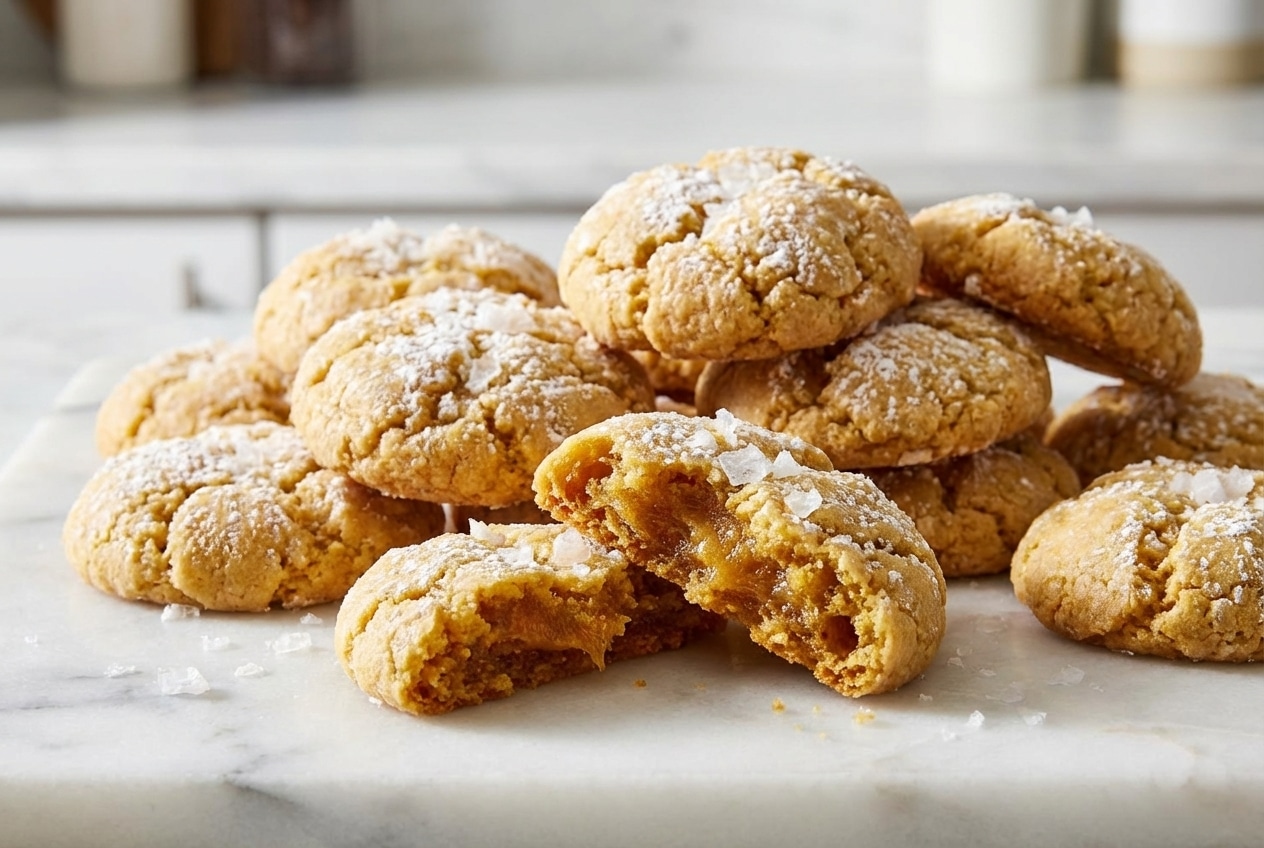
The first time I made Gooey Butter Cookies, I understood the hype immediately, pillowy, crackly tops, and that signature melt-in-your-mouth center that feels like a cookie and a soft cheesecake bar had a delicious baby.
This version keeps the St. Louis spirit but fixes two modern problems I hear all the time, cookies that are too sweet and dough that is too sticky to handle. You will nail the crinkle, keep the middle properly gooey, and learn my brown butter trick that makes a simple cake mix taste quietly gourmet.
Why You’ll Love This Recipe (The Secret Twist)
Brown butter depth: In my kitchen, browning unsalted butter adds a toasted, nutty edge that makes the yellow cake mix taste less one-note and much more bakery-style.
Salted balance: A tiny pinch of sea salt is my favorite “invisible” fix because it balances the sugar levels without making the cookies taste salty, and it makes the vanilla extract and cream cheese pop.
Crinkle-cookie confidence: That thick, creamy base plus a proper confectioners’ sugar coat gives you the dramatic crackle that people expect from classic crinkle cookies.
Fancy without fussy: If you like elegant, not-too-complicated treats like earl grey cookies, this brown-butter twist scratches the same gourmet itch.
Ingredients and Substitutions
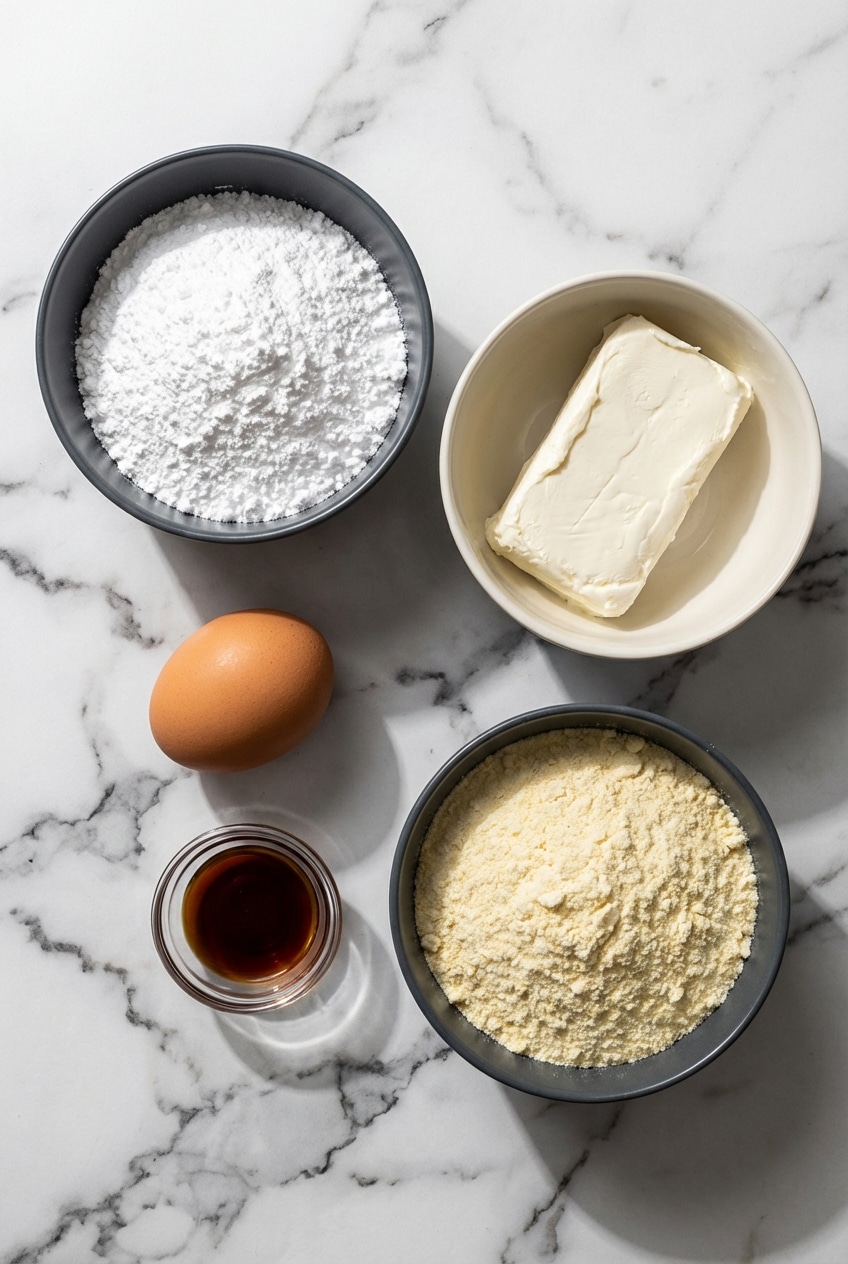
This short ingredient list is exactly why these cookies are so lovable, cream cheese for tenderness, cake mix for reliability, and confectioners’ sugar for that snowy crinkle finish.
Ingredients
- ¼ cup confectioners’ sugar
- 1 (8 ounce) package cream cheese, softened
- ½ cup unsalted butter, softened
- 1 large egg
- ¼ teaspoon vanilla extract
- 1 (15.25 ounce) package yellow cake mix
Ingredient Notes & Substitutions
Modern cake mix sizes: This recipe is built for today’s standard 1 (15.25 ounce) package yellow cake mix, not the older 18-ounce boxes, so you get thick cookies that hold their shape.
Cake mix by weight: If you bake with a scale, that 15.25-ounce box is about 432g, which helps consistency when brands vary slightly in volume.
Cream cheese: Full-fat brick cream cheese gives the best structure and the smoothest emulsion, and the USDA definition of full-fat brick cream cheese is a useful reference when comparing products.
Brown butter and sea salt: The ingredient list stays the same, but I brown the butter first and add a pinch of sea salt while mixing, which is enough to round out sweetness and deepen the aroma.
How to Make Gooey Butter Cookies
Prep and set up
- Gather all ingredients, then preheat the oven to 350 degrees F (175 degrees C). Line your cookie sheet with parchment paper if you want the fastest cleanup.
- Place confectioners’ sugar into a shallow bowl so it is ready when the dough is chilled.
Brown the butter, then build the base
- Before mixing, brown the butter in a small light-colored pan over medium heat until it smells nutty and you see amber flecks, then cool it until it returns to a soft-solid state similar to “softened.”
- Beat cream cheese and butter with an electric mixer in a medium bowl until creamy and completely smooth.
- Stir in egg and vanilla, and add a small pinch of sea salt here to balance sweetness.
Mix, chill, and shape
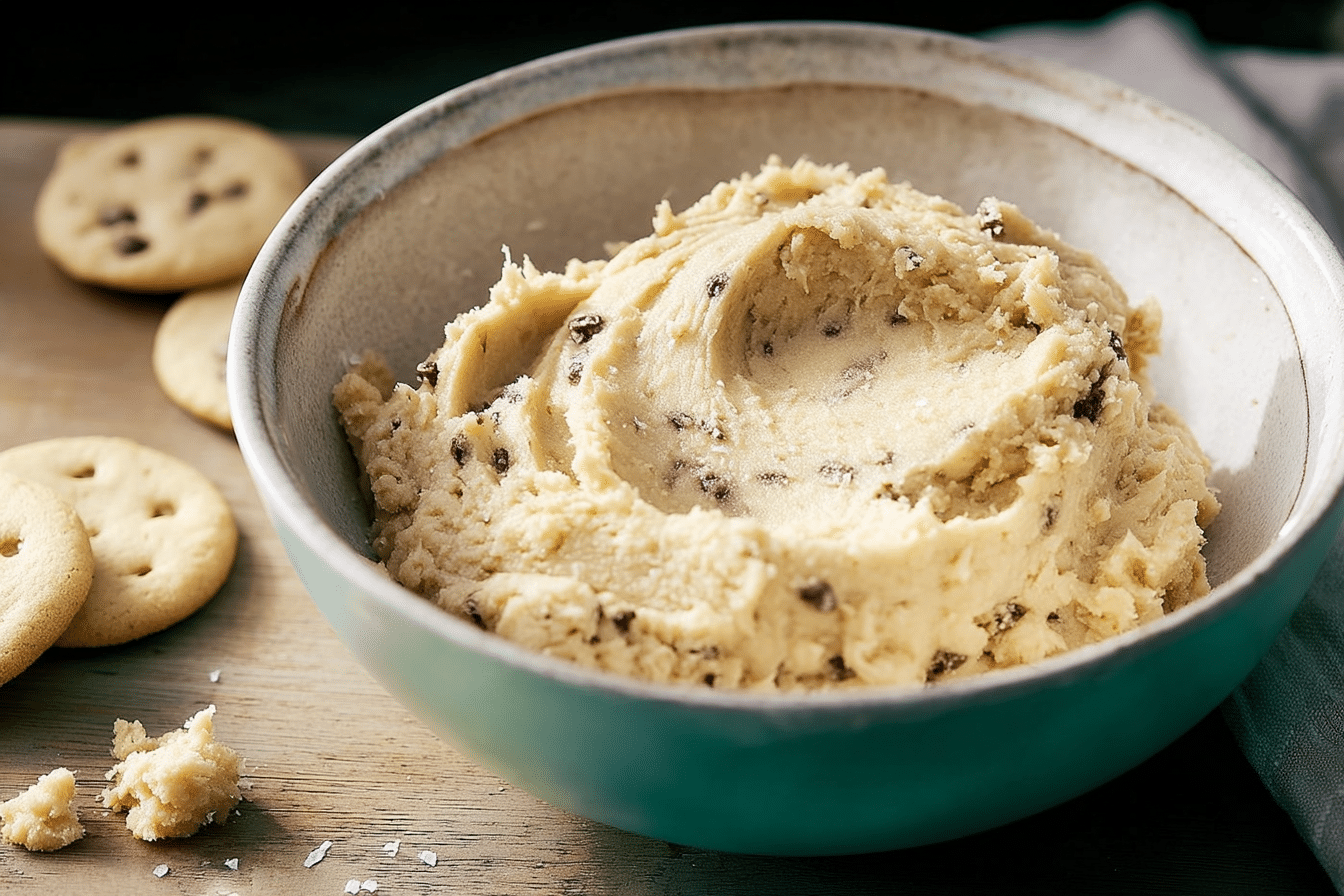
- Add cake mix and stir until well blended, the dough will look thick, glossy, and sticky.
- Refrigerate the dough for 1 to 2 hours so it firms up and becomes much easier to roll.
- Roll dough into 1-inch balls.
Coat, bake, and cool
- Roll balls in confectioners’ sugar to coat, then place 1 inch apart onto an ungreased cookie sheet.
- Bake in the preheated oven until set, 10 to 13 minutes, pulling them when the tops look matte and the edges are just set, but there is no browning.
- Remove from the oven and transfer to wire racks to cool so the centers finish setting into that signature gooey texture.
Mastering the Texture: Troubleshooting Sticky Dough
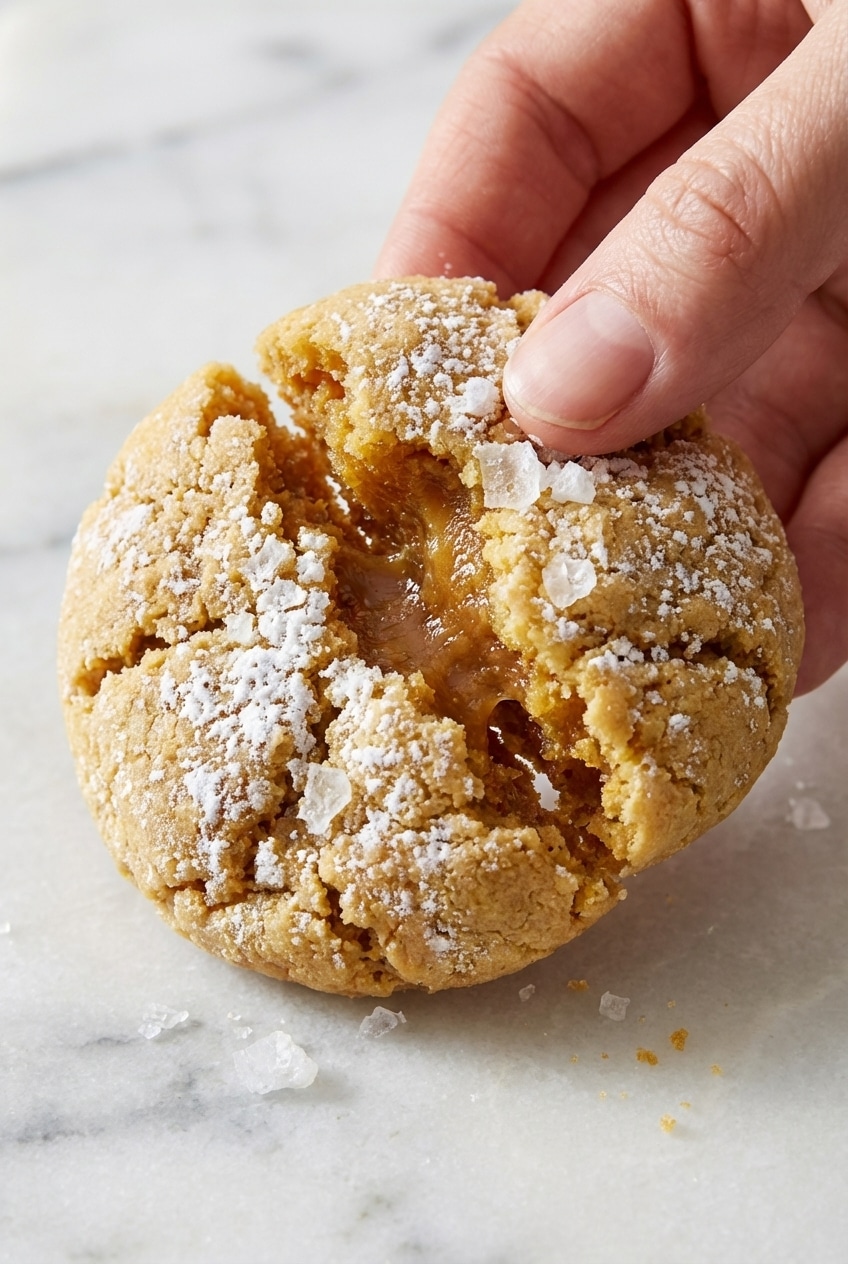
Sticky dough is normal here, cream cheese plus cake mix makes a batter that behaves more like soft frosting than a classic cookie dough until it chills.
My most reliable method is the “sugar-first” trick, scoop a portion, drop it directly into the confectioners’ sugar, then roll once the outside is coated, and your hands stay clean.
Temperature matters for emulsions, softened cream cheese blends silky, while cold cream cheese leaves lumps that make the dough feel wet and hard to portion evenly.
When you add a pinch of salt, you are not changing sweetness levels chemically, but research shows sodium can enhance flavors and balances the sugar levels in how we perceive each bite.
Pro Tips & Troubleshooting
Pro Tips
- For a more professional flavor, increase vanilla extract to 1 teaspoon.
- Chill the dough 1 to 2 hours if you want thick, pillowy cookies.
- If the confectioners’ sugar looks absorbed after cooling, dust lightly again before serving.
- A stand mixer helps because the thick batter can climb beaters fast.
- Fans of soft, cake-like cookies often enjoy pumpkin cookies for the same plush texture.
Common Mistakes to Avoid
- Overbaking until browned, these should look slightly underdone when you pull them.
- Starting with cold cream cheese or butter, which prevents a smooth, creamy mixture.
- Skipping the chill, which can lead to flatter cookies and messy rolling.
- Using a “pudding in the mix” cake mix without watching spread, extra moisture can make them flatter.
Serving & Storage
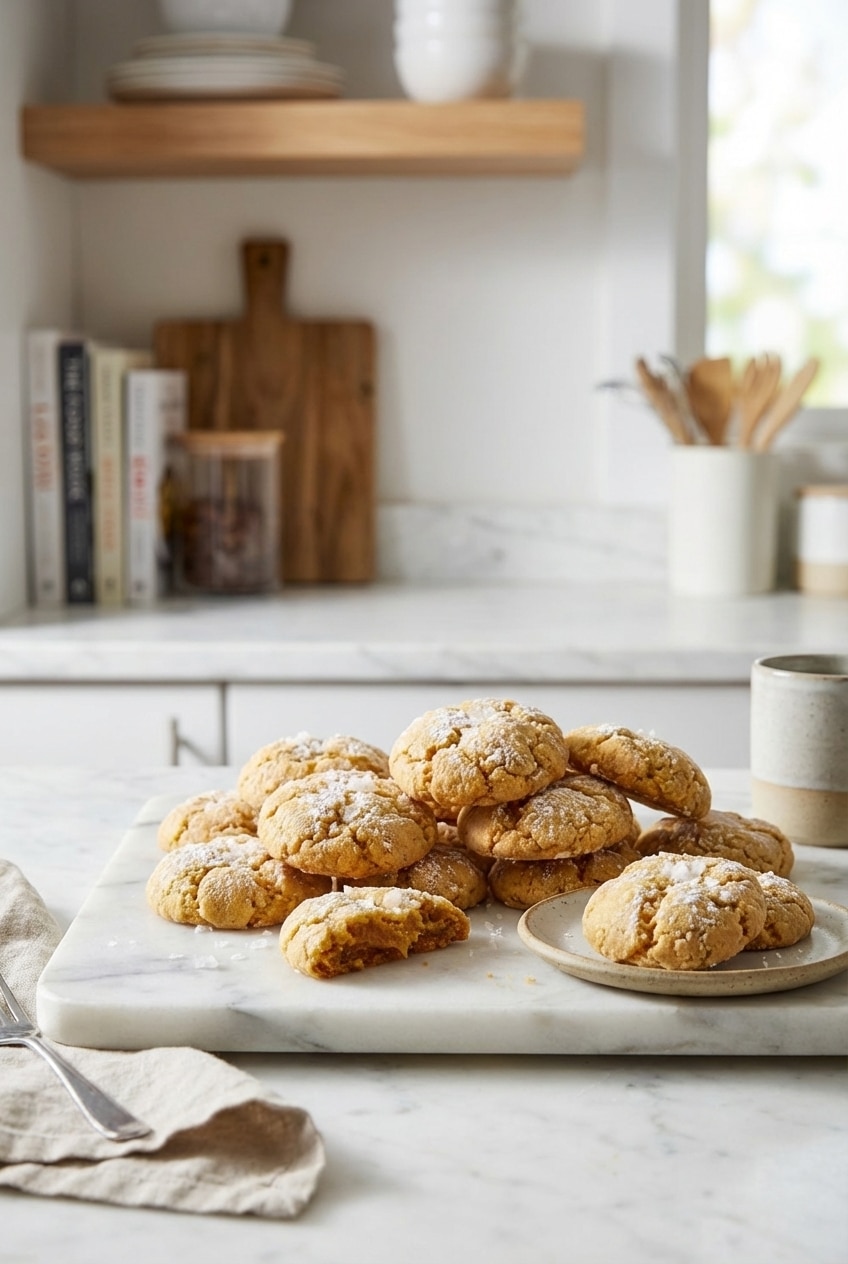
Serving Ideas
Serve at room temperature for the best melt-in-your-mouth feel, and finish with a fresh dusting of confectioners’ sugar right before you set out the plate.
A sharp espresso cuts the richness beautifully, and a cold glass of milk leans into the nostalgic, bakery-case vibe.
On cookie platters, I like pairing them with cinnamon-forward snickerdoodle cookies because the contrast keeps every bite interesting.
These cookies are inspired by a St. Louis tradition, and the University of Missouri calls it a St. Louis classic worth celebrating at gatherings.
Storage and Freezing Guidelines
Store in an airtight container at room temperature for 3 to 4 days to keep them soft, and the Purdue guide explains methods that help maintain softness while staying food-safe.
Refrigeration is optional, but I love them cold because the center turns extra fudgy, and they keep well up to a week.
For freezing baked cookies, cool completely, wrap tightly, and freeze up to 3 months, then thaw covered so condensation does not melt the sugar.
For freezing dough balls, portion and coat lightly, freeze on a sheet until firm, then bag for up to 3 months, and bake from frozen with a few extra minutes as needed while still following the “no-brown” rule.
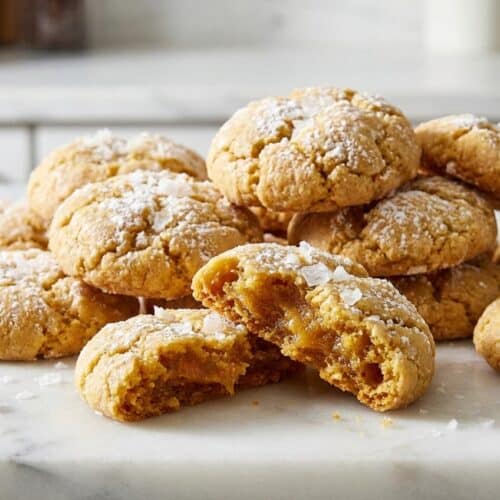
Best Gooey Butter Cookies

Equipment
- Cookie sheet
- Parchment Paper
- Shallow bowl
- Small light-colored pan
- Electric Mixer
- Medium bowl
- Wire rack
Ingredients
- 1/4 cup confectioners’ sugar
- 1 (8 ounce) package cream cheese, softened
- 1/2 cup unsalted butter, softened Brown the butter first, then cool until it returns to a soft-solid state similar to “softened.”
- 1 large egg
- 1/4 teaspoon vanilla extract
- 1 (15.25 ounce) package yellow cake mix
- 1 pinch sea salt Add while mixing to balance sweetness.
Instructions
Prep and set up
- Gather all ingredients, then preheat the oven to 350 degrees F (175 degrees C). Line your cookie sheet with parchment paper if you want the fastest cleanup.
- Place confectioners’ sugar into a shallow bowl so it is ready when the dough is chilled.
Brown the butter, then build the base
- Before mixing, brown the butter in a small light-colored pan over medium heat until it smells nutty and you see amber flecks, then cool it until it returns to a soft-solid state similar to “softened.”
- Beat cream cheese and butter with an electric mixer in a medium bowl until creamy and completely smooth.
- Stir in egg and vanilla, and add a small pinch of sea salt here to balance sweetness.
Mix, chill, and shape
- Add cake mix and stir until well blended; the dough will look thick, glossy, and sticky.
- Refrigerate the dough for 1 to 2 hours so it firms up and becomes much easier to roll.
- Roll dough into 1-inch balls.
Coat, bake, and cool
- Roll balls in confectioners’ sugar to coat, then place 1 inch apart onto an ungreased cookie sheet.
- Bake until set, 10 to 13 minutes, pulling them when the tops look matte and the edges are just set, but there is no browning.
- Remove from the oven and transfer to wire racks to cool so the centers finish setting into that signature gooey texture.
Notes
Nutrition
Conclusion
The brown butter and tiny pinch of sea salt turn these into Gooey Butter Cookies with real depth, still soft, still crinkly, but no longer cloying.
That box of cake mix is your secret weapon for consistency, and once you master the chill-and-coat method, the process becomes almost effortless.
If you love that tender, gooey center, the chocolate intensity in fudgy brownie cookies is a natural next baking day project.
FAQ
How do I prevent the dough from sticking to my hands?
Chill the dough for at least 60 minutes, and longer is even easier. Then use a cookie scoop to drop dough directly into the confectioners’ sugar, once coated, it will not stick as you roll.
Can I use a cake mix that has “pudding in the mix”?
Yes, most modern yellow cake mix boxes include it, and that extra moisture helps keep the cookies soft and gooey. Just keep an eye on spread, chilling becomes even more important.
Why did my cookies turn out crunchy instead of gooey?
Overbaking is the usual culprit. Pull them at 10 to 13 minutes when the edges are set and the tops look matte, they should not brown, and they firm up as they cool.
Why are my cookies flat?
Dough that is too warm spreads quickly, so do not skip the 1 to 2 hour chill. Also confirm you used 1 (15.25 ounce) package yellow cake mix, older 18-ounce assumptions can throw off thickness.
Can I make these without an electric mixer?
It is possible, but expect a workout because the batter gets very thick once the cake mix goes in. If mixing by hand, start with very soft cream cheese and butter so the base becomes completely smooth before you add the dry mix.