Skip to content
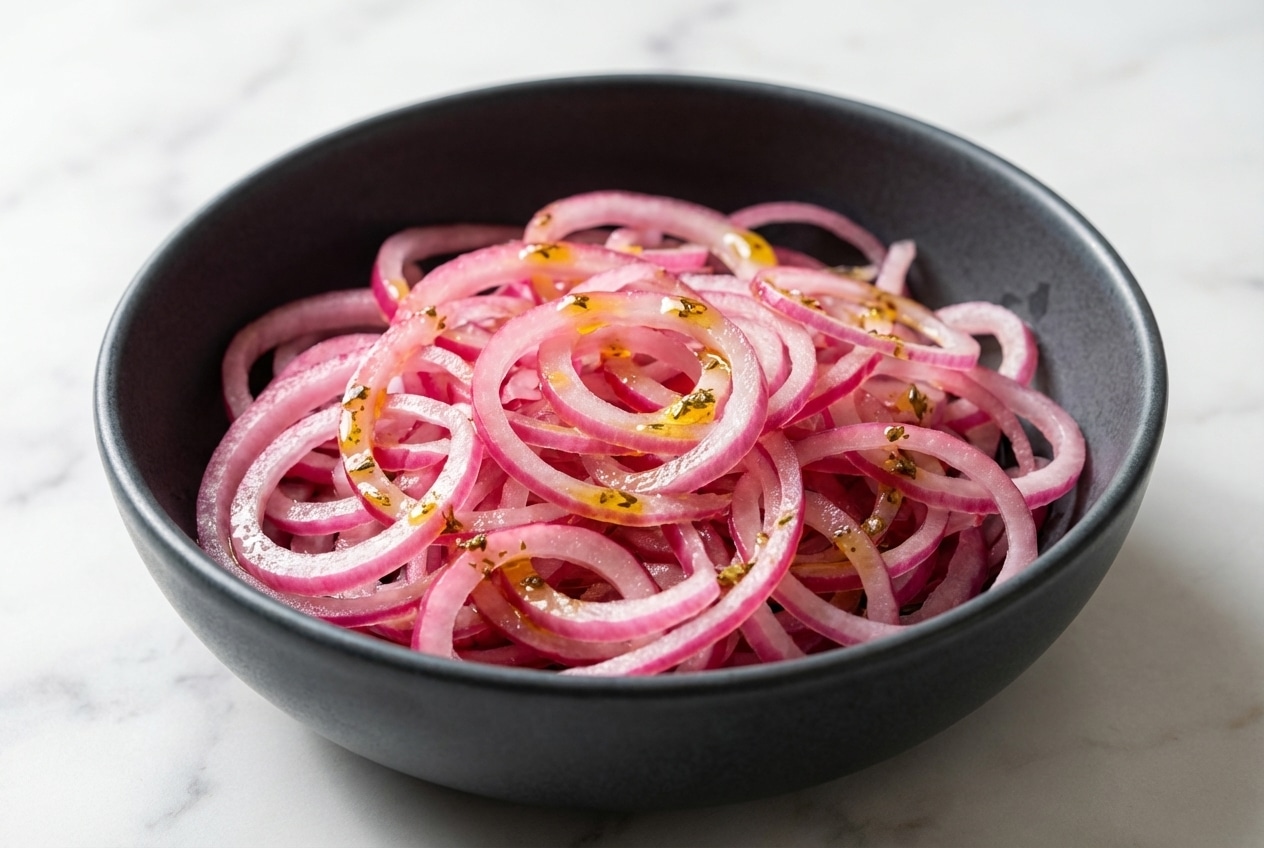
There’s a particular kind of joy in opening a container and seeing onions that have turned that impossible, neon pink, the kind you spot piled high on the best Ecuadorian ceviches or tucked into proper taco nights. In my kitchen, that color is a little promise, bright, tangy, and ready to wake up anything rich.
This cebolla curtida recipe is my go-to when a meal needs lift, not heaviness. It’s quick pickling without the fuss, and I’ll show you the small, chef-y trick that gives it restaurant depth without losing that crisp, refreshing bite.
Why You’ll Love This Recipe
Aromatic depth in minutes: I use an aromatic oil bloom infusion, and it bridges the lime’s sharpness with savory warmth in a way raw oil never does.
Crisp yet tender texture: The desflemado step softens the fibers just enough, so the red onion stays snappy without that tough chew.
That signature pink: With fresh lime juice and a little patience, the anthocyanins in cebolla paiteña style red onion turn brilliantly rosy.
Weeknight versatility: I keep a jar ready for tacos, pulled pork, bowls, and even avocado toast when it needs sparkle.
Ingredients and Substitutions
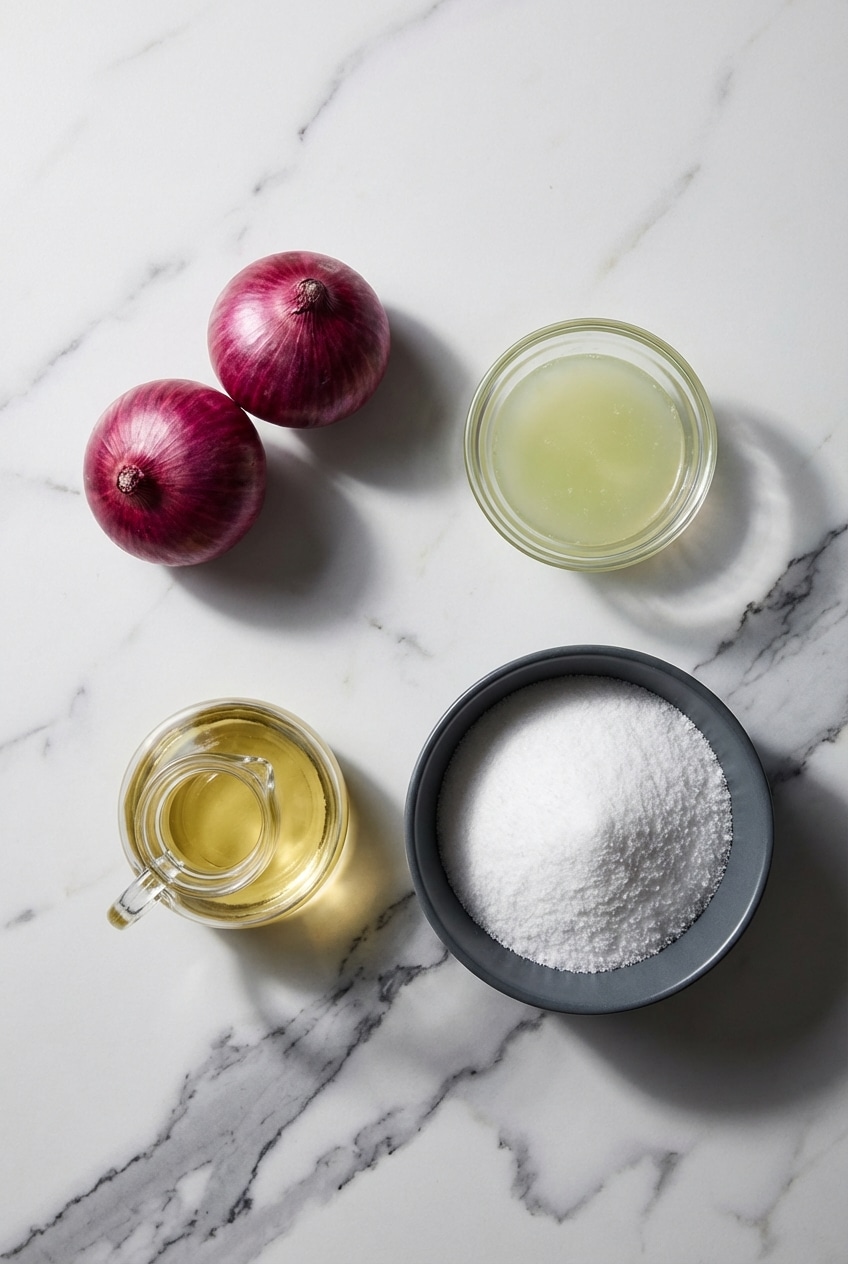
These are the bare essentials, red onion, lime, salt, and a touch of oil. When each one is treated right, the brine turns vivid and the onions taste clean and bright.
Ingredients
- 2 small red onions
- Juice of 3 limes
- 1 tablespoon oil avocado, sunflower, light olive oil, or any mild flavored oil
- 1 tablespoon salt + more to adjust taste
Ingredient Notes & Substitutions
Red onion: This is non-negotiable for that pink glow, because red onion carries the anthocyanins that react with acidity. White onion will pickle, but it won’t give you the same vibrant color or that “cebolla paiteña” look.
Lime juice: Lime makes this curtido taste Ecuadorian, citrus-forward, and clean. If you lean more Mexican escabeche, white vinegar gives a sharper edge, but it shifts the personality away from that seaside ceviche vibe.
Oil: A mild oil keeps the lime and onion in the spotlight, and it rounds the brine so it tastes less “pointy.” I avoid strong extra-virgin olive oil here because it can bully the aromatics.
Salt: This recipe depends on salt for the desflemado, which tames the sulfuric bite before the onions ever hit the brine. If you’ve had gray onions before, your salt choice matters, and I explain why below.
How to Make Cebolla curtida recipe
Slice, salt, and calm the bite
- Cut the onion in half, then slice it very finely, aiming for paper-thin, almost translucent slices. A mandolin slicer makes the texture consistently delicate.
- Sprinkle with 1 tablespoon salt and a squeeze of lime juice, then let it rest for about 10 minutes, you’ll see liquid pooling as the harshness pulls out.
The lukewarm water rest
- Cover the onions with lukewarm water and let rest for another 10 minutes, this relaxes the onion’s fibers without cooking them.
- Rinse and drain the onions thoroughly, and don’t be shy here, this is what keeps the flavor bright instead of aggressively oniony.
Dress, chill, and let the color bloom
- Add the lime juice, salt and the oil, and mix well, coating every ribbon so the brine touches everything.
- Cover the onions and place in the fridge, they’ll start turning pinkish after about 3 hours, and they’ll go very pink if left overnight. Taste again before serving and add salt if needed.
Secrets for the Perfect Vibrant Pink Pickle
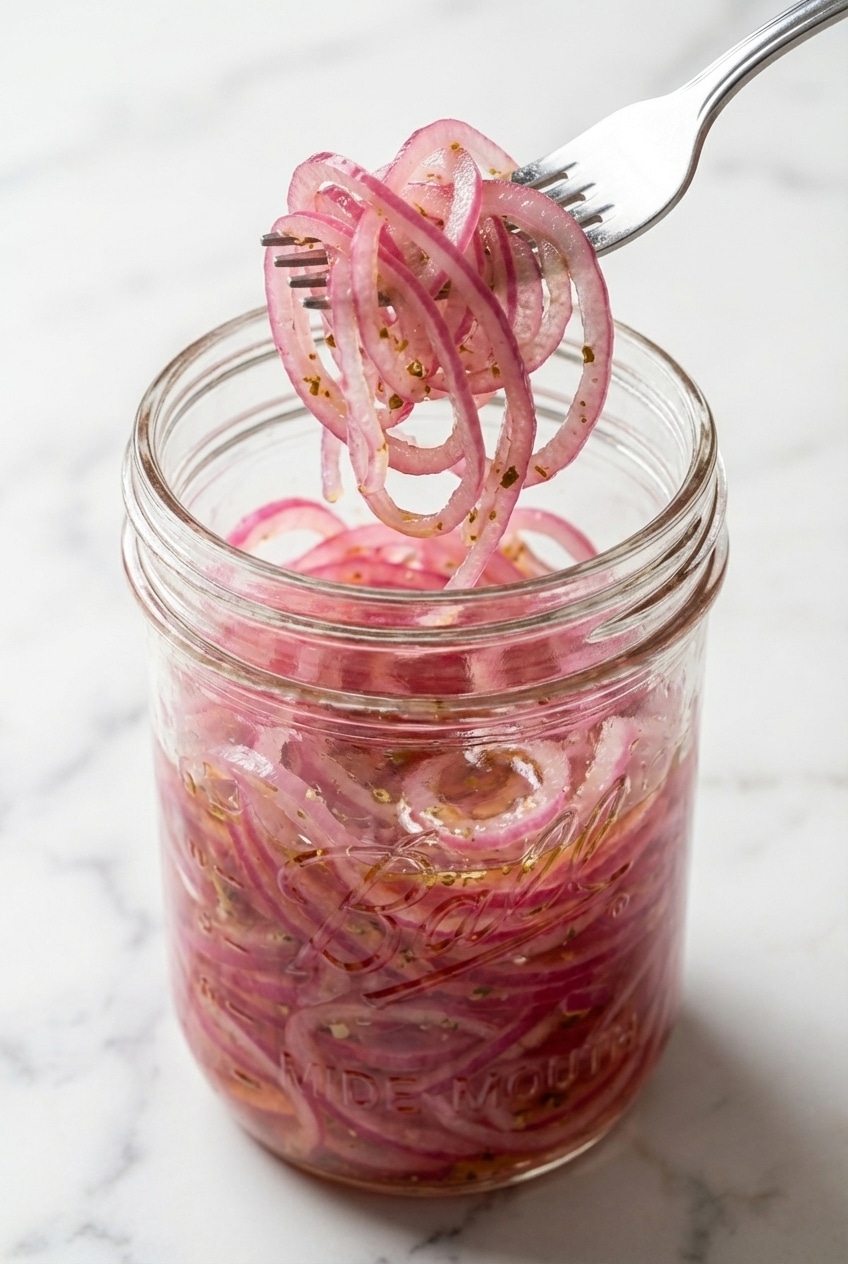
The color isn’t magic, it’s chemistry you can taste. Red onion pigments called anthocyanins shift shades depending on acidity pH, and lime juice pushes them right into that hot-pink lane.
Fresh lime juice matters because its acidity is lively and reliable, especially compared to tired limes that have been sitting too long. When the pH is high or the onions are old, you get duller color and a heavier smell.
Water quality also plays a role in quick pickling. If your tap water is very hard, minerals can mute the brightness, so I often use filtered water for the lukewarm soak when I want the cleanest, most vivid jar.
Pro Tips & Troubleshooting
Pro Tips
- Use a glass Mason jar for storage, because acidic brine stays cleaner-tasting in non-reactive containers.
- Lukewarm water is the sweet spot, it softens the bite without turning the onion limp.
- Slice uniformly thin so the brine penetrates evenly, that’s how you get crisp-tender instead of crunchy-tough.
- The oil-bloom idea is simple at home: warm your mild oil briefly with a crushed garlic clove and a pinch of cumin until fragrant, then cool slightly before mixing into the lime juice.
- Container choice really does matter, and the University of Minnesota Extension explains how to avoid chemical reactions with acidic foods.
Common Mistakes to Avoid
- Gray onions usually come from iodized salt or hard water, not from the lime itself.
- Old, sprouting onions can turn the jar funky fast, start with firm, fresh bulbs.
- Skipping the rinse traps that sulfuric bite, and the finished curtido tastes harsh.
- Leaving onions exposed above the brine causes uneven color and faster spoilage.
- Pickle problems are often traced to iodized salt or hard water minerals in the process.
Serving & Storage
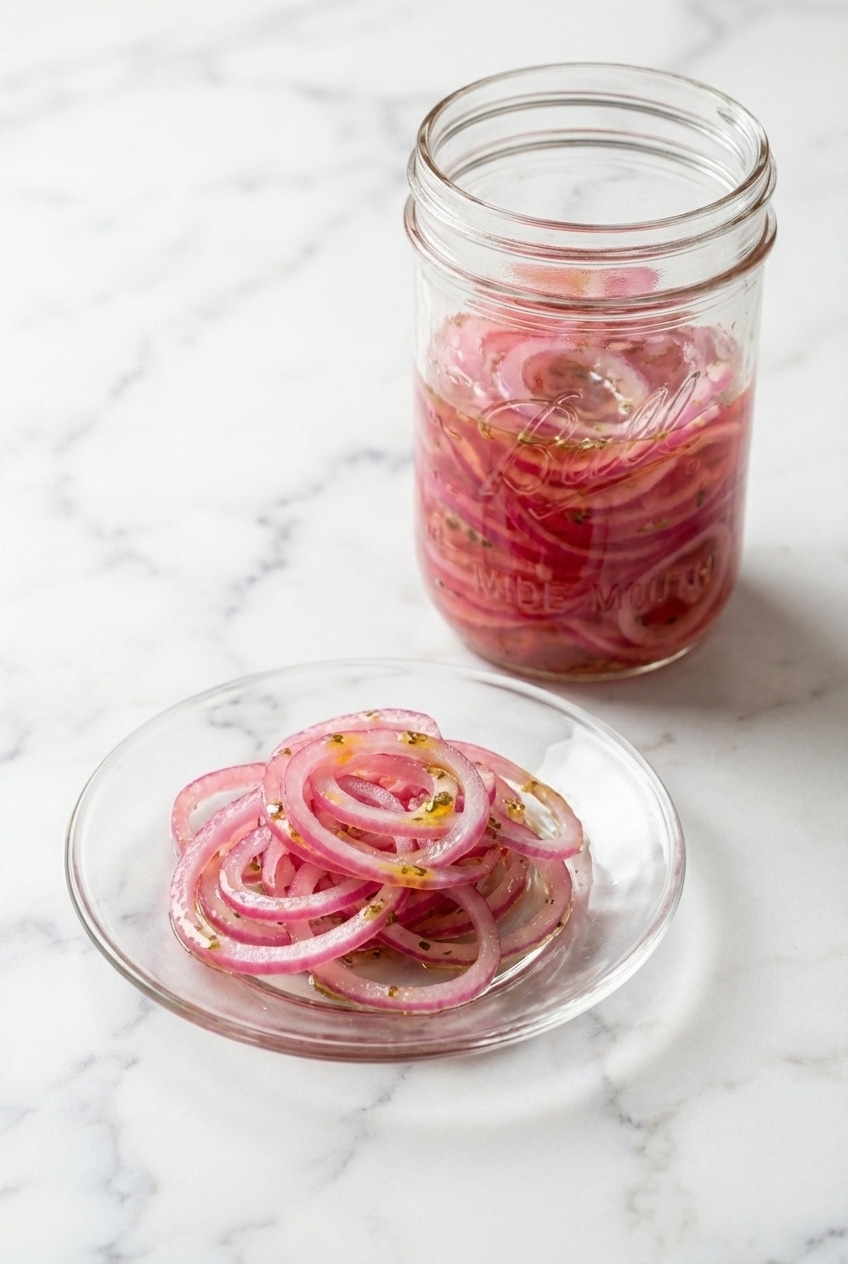
Creative Serving Ideas
I love cebolla curtida with Ecuadorian encebollado, or alongside ceviche when you want that clean, briny lift. It’s also the classic crown for Cochinita Pibil tacos, where the acidity cuts through the fat like a wink.
On modern plates, I spoon it over pulled pork sandwiches, avocado toast, and weeknight bowls for a bright contrast. For taco night, the tang plays beautifully with creamy guacamole and smoky meats.
When a soup feels rich, a small mound on top balances everything. The crunch is especially good as a garnish for tortilla soup, because it adds acidity without heaviness.
If you meal-prep, these onions make everyday food feel intentional. I add a forkful to chicken rice bowls when the flavors need a pop of citrus and crunch.
Storage & Safety Guidelines
This is a refrigerator pickle, not a shelf-stable canning recipe, so it belongs in the fridge from the start. Food safety guidance for a refrigerator pickle is worth following if you’re storing it for days.
Keep the onions fully submerged in brine in a clean, airtight glass jar. For best crunch and color, I use them within 2 weeks, after that they’re still usable, but they soften and fade.
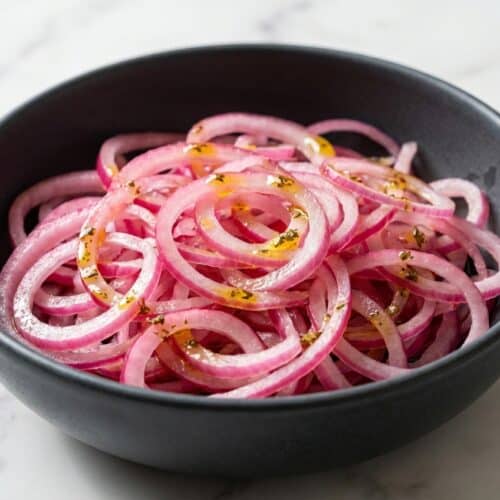
Cebolla Curtida Recipe Quick

Equipment
- Knife
- Cutting board
- Mandolin slicer
- Mixing Bowl
- Glass Mason jar or airtight glass container
Ingredients
- 2 small red onions
- 3 limes, juiced
- 1 tablespoon mild oil (avocado, sunflower, light olive oil, or any mild flavored oil)
- 1 tablespoon salt plus more to adjust taste
- lukewarm water enough to cover the onions
Instructions
Slice, salt, and calm the bite
- Cut the onions in half, then slice very finely into paper-thin, almost translucent slices (a mandolin slicer helps).
- Sprinkle with 1 tablespoon salt and a squeeze of lime juice, then let rest for about 10 minutes until liquid pools and the harshness pulls out.
The lukewarm water rest
- Cover the onions with lukewarm water and let rest for another 10 minutes to relax the fibers without cooking them.
- Rinse and drain the onions thoroughly so the finished curtido stays bright instead of aggressively oniony.
Dress, chill, and let the color bloom
- Add the remaining lime juice, salt, and the oil, then mix well to coat every ribbon so the brine touches everything.
- Cover and refrigerate; they’ll turn pinkish after about 3 hours (even pinker overnight). Taste before serving and add salt if needed.
Notes
Nutrition
Conclusion
When I have a jar of cebolla curtida in the fridge, meals feel brighter, lighter, and somehow more “finished.” The oil-bloom twist is small, but it gives the brine a rounded, savory perfume that makes the lime sing.
If you have extra red onions after slicing, a totally different mood comes from turning them into homemade onion rings, crisp, sweet, and perfect beside something spicy.
Frequently Asked Questions
How long should I let the onions marinate before eating?
While you can eat them after 15 minutes, they reach peak flavor and their signature vibrant pink color after about 3 hours. For the best results, let them sit overnight in the refrigerator.
Why do my pickled onions smell so strong or funky?
This is usually from onions that are past their prime, or from skipping the rinse after the salt rest. Fresh, firm onions and a thorough rinse keep the flavor clean and prevent that heavy, fermented aroma.
Can I substitute lime juice for vinegar?
Yes. Lime juice gives a bright, citrusy acidity typical of Ecuadorian curtido, while white vinegar brings a sharper tang that’s more common in Mexican pickled onions. A combination works too, but the flavor shifts away from pure lime.
How long can I store them in the refrigerator?
In a clean, airtight glass jar with the onions fully submerged, they keep well for up to 2 weeks. After that, the onions lose crunch and the pink color can start to dull.