Skip to content
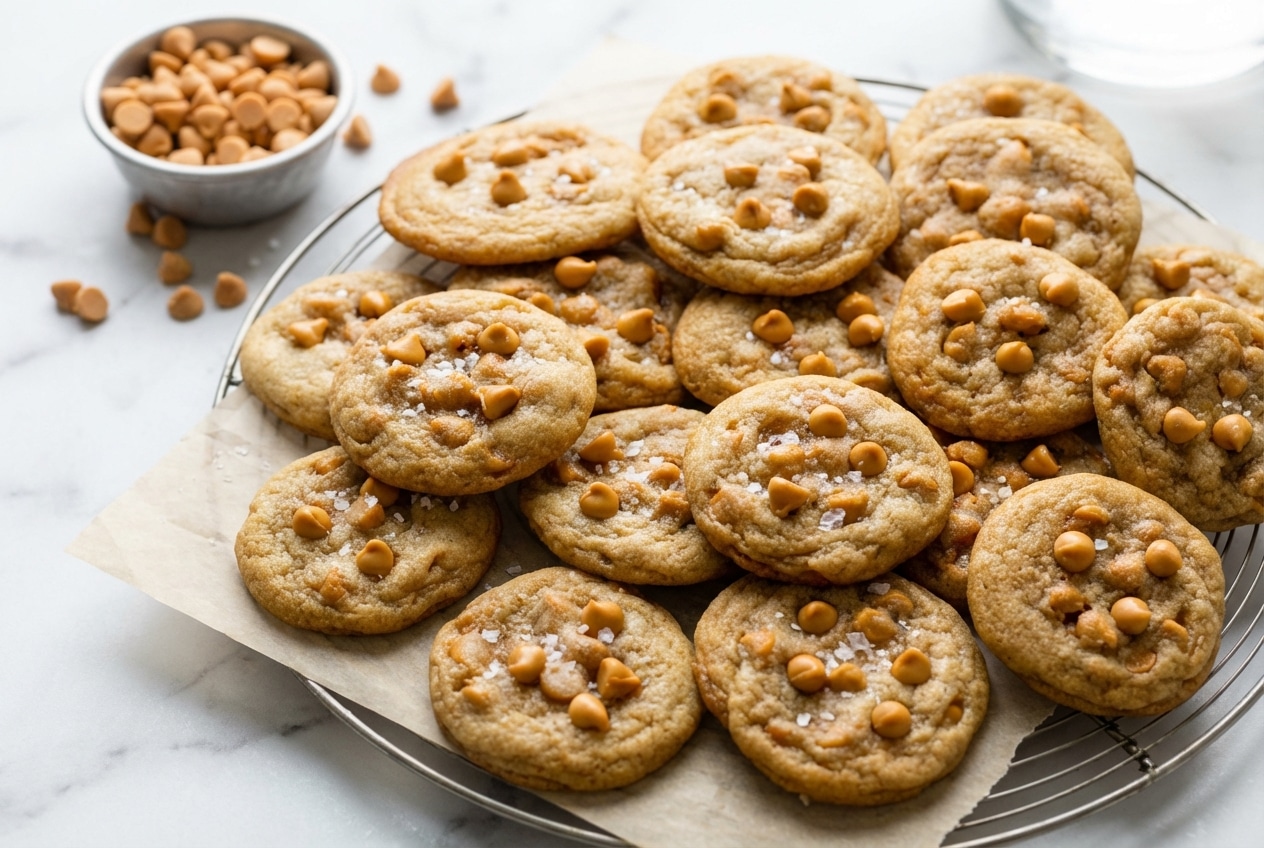
In my kitchen, the best cookies are the ones that smell like childhood but taste like you meant business. These butterscotch cookies do exactly that, all cozy sweetness at first bite, then a little grown-up edge that makes you reach for a second.
The “secret” is simple but dramatic, brown butter for that toasted, nutty depth, plus a whisper of flaky sea salt right when they’re hot. If you love a chewy center, crisp caramelized edges, and a dough that actually gets better after a nap in the fridge, you’re in the right place.
Why You’ll Love This Recipe
Brown butter depth: I brown the butter until it smells like toasted hazelnuts, and that beurre noisette note makes the butterscotch taste richer, not cloying.
Sweet and salty balance: A finish of flaky sea salt gives you that bakery-level snap, it cuts the sweetness of the morsels in the most satisfying way.
Perfect texture: The creaming method with a paddle attachment builds structure, so you get chewy middles with just-crisp, glossy edges.
Make-ahead magic: This dough loves a long chill, and I swear the flavor deepens overnight like a good story.
Ingredients and Substitutions
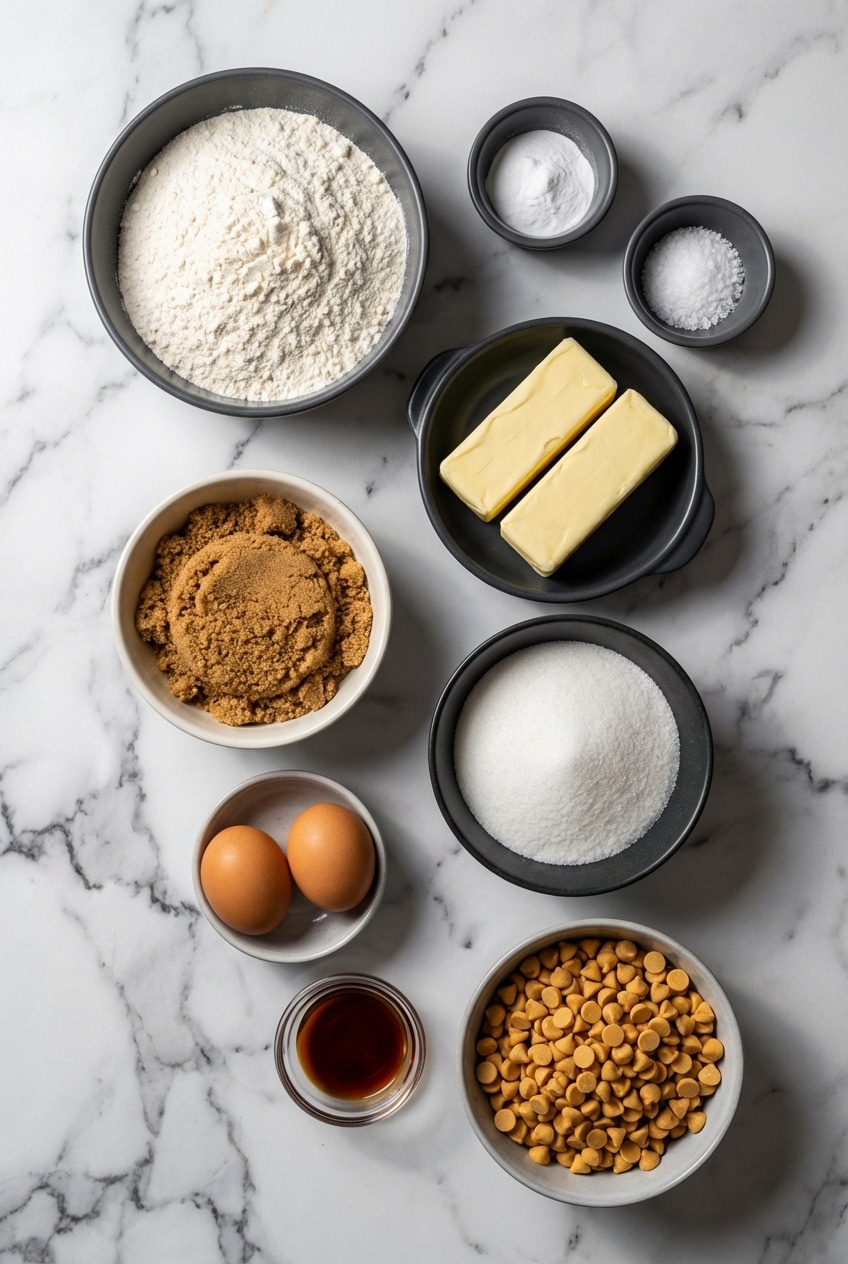
These butterscotch cookies rely on everyday pantry staples, with one small upgrade in technique. Keep the measurements steady, and the texture and spread will take care of themselves.
Ingredients
- 2 ¾ cups (345 grams) all-purpose flour (spooned and leveled)
- 1 teaspoon baking soda
- 1 teaspoon salt
- 1 cup (230 grams; 2 sticks) unsalted butter (softened)
- 1 cup (200 grams) packed light or dark brown sugar
- ½ cup (100 grams) granulated sugar
- 2 large eggs at room temperature
- 2 teaspoons pure vanilla extract
- 1 (11-ounce) package (311 grams) butterscotch chips
Ingredient Notes & Substitutions
Butterscotch chips: A higher-quality bag tends to taste more like real browned sugar and butter, and less like “candy aisle” sweetness, which matters because butterscotch morsels are the star here.
Brown sugar: Dark brown sugar leans into molasses and makes the cookies taste deeper and a little more toasty, while light brown sugar keeps things classic and gentle.
Eggs at room temperature: Room temperature ingredients are non-negotiable for a smooth emulsion, cold eggs can make the mixture look broken and can throw off spread and texture.
Unsalted butter: I stick with unsalted so the salt level stays controlled, especially with a salty finish on top.
Optional flaky sea salt: A few flakes on warm cookies taste like a professional touch, and it turns sweet into “sweet with dimension.”
How to make butterscotch cookies
Prep the dry ingredients
- In a large bowl, whisk the flour, baking soda, and salt until the mix looks evenly fluffy and uniform, with no little white streaks hiding. Set it aside so it’s ready when the dough needs it.
Cream, emulsify, and build the dough
- In a stand mixer with the paddle attachment, beat the butter with the brown sugar and granulated sugar for 1 to 2 minutes, until the mixture looks lighter, a bit airy, and smells like warm caramel.
- Add the eggs and vanilla extract one at a time, mixing until each disappears into the batter, then scrape down the bowl so everything blends evenly. The mixture should look glossy and cohesive, not greasy or separated.
- Add the dry ingredients and mix only until you stop seeing dry flour, then fold in the butterscotch chips on low-speed until they’re well distributed. The dough should smell richly buttery and feel soft but sturdy.
Chill, scoop, and bake
- Cover the dough tightly and chill for at least 2 hours, this rest firms it up and makes the flavor rounder.
- When the dough is almost done chilling, preheat the oven to 350°F (180°C) and line three large baking sheets with parchment paper or silicone baking mats.
- Scoop the dough using a 1.5 tablespoon cookie scoop, and place mounds on the sheets with a little breathing room between each one so they bake evenly.
- Bake for 10 to 12 minutes, until the edges are lightly browned and the tops look set, then let them cool on the baking sheet for 5 minutes before moving to a wire cooling rack. They’ll finish setting as they cool, leaving that chewy, caramelized bite.
Secrets for the Perfect Golden Bake
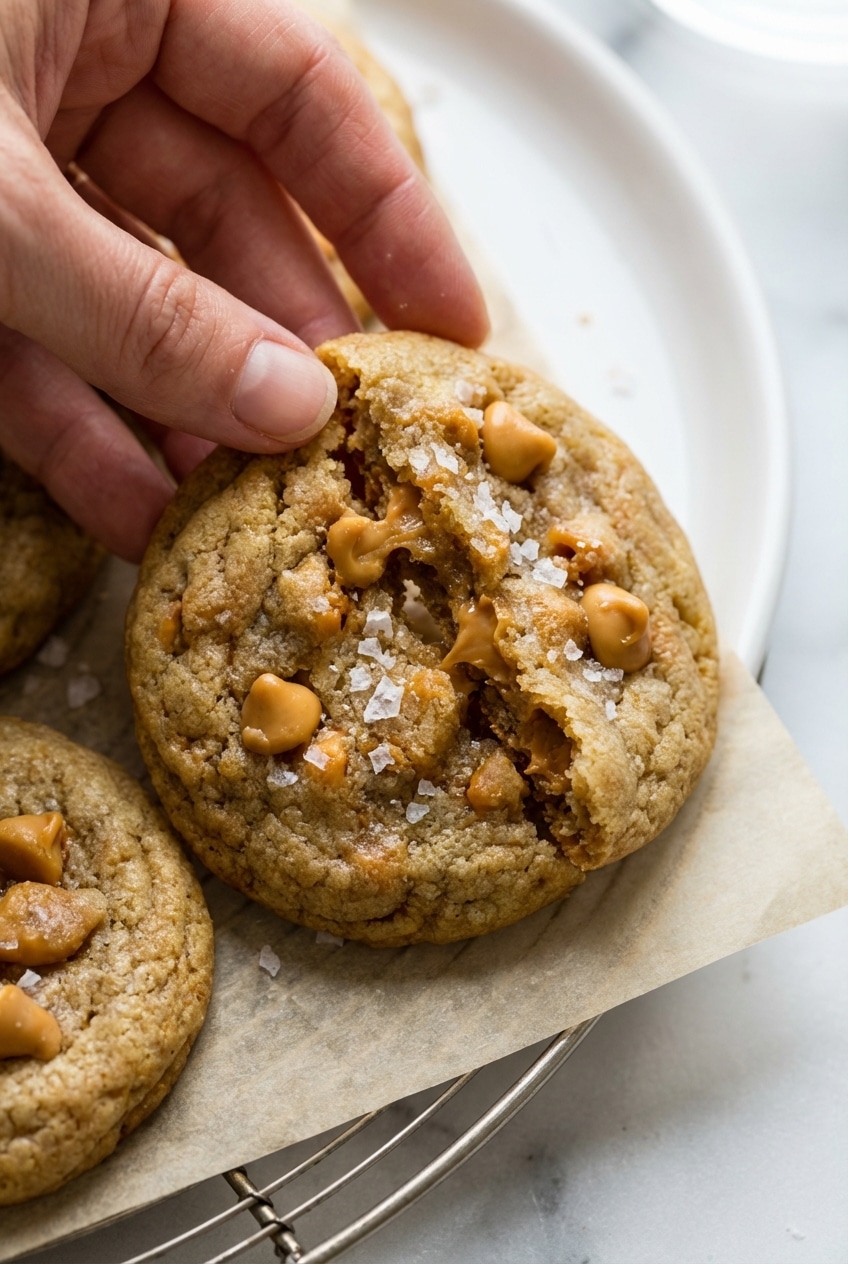
The temperature rule: In my kitchen, butter around 65°F creams beautifully, too warm and you’ll get a greasy dough that spreads fast and bakes flat.
The science of chips: Butterscotch chips carry more sugar than many chocolate chips, so cheaper brands can melt into puddles and then harden, leaving slick spots instead of tidy pockets.
Chilling for chemistry: A longer rest lets flour hydrate and sugars concentrate, and that helps browning and flavor as the cookies bake.
Measurement accuracy: Spoon and level the all-purpose flour, packing it by scooping can quietly dry out the whole batch.
A quick, nerdy note for fellow cookie obsessives, the Maillard reaction in cookie baking explains that deep, toasty flavor. I also love the practical breakdown in the science of chilling dough for texture control.
Pro Tips & Troubleshooting
Pro Tips
- For picture-perfect rounds, “scoot” the cookies with a round cutter right after baking, while the edges are still soft and pliable.
- A tiny pinch of cinnamon in the dry ingredients adds warmth that makes the butterscotch taste more complex.
- If you absolutely cannot chill, use cold eggs and only slightly softened butter to help the dough hold its shape.
- When a shortcut dessert is needed, the texture of cake mix cookies can be a practical backup for busy days.
Common Mistakes to Avoid
- Over-mixing after the flour goes in, too much gluten development makes cookies tough instead of tender.
- Using dark pans without parchment paper, the sugar-heavy chips can scorch and leave bitter bottoms.
- Over-baking, pull them when the centers look slightly underdone because carryover heat finishes the job.
- Skipping the bowl scrape, unmixed butter and sugar streaks can cause uneven spread and spotty browning.
Serving & Storage
Serving Ideas
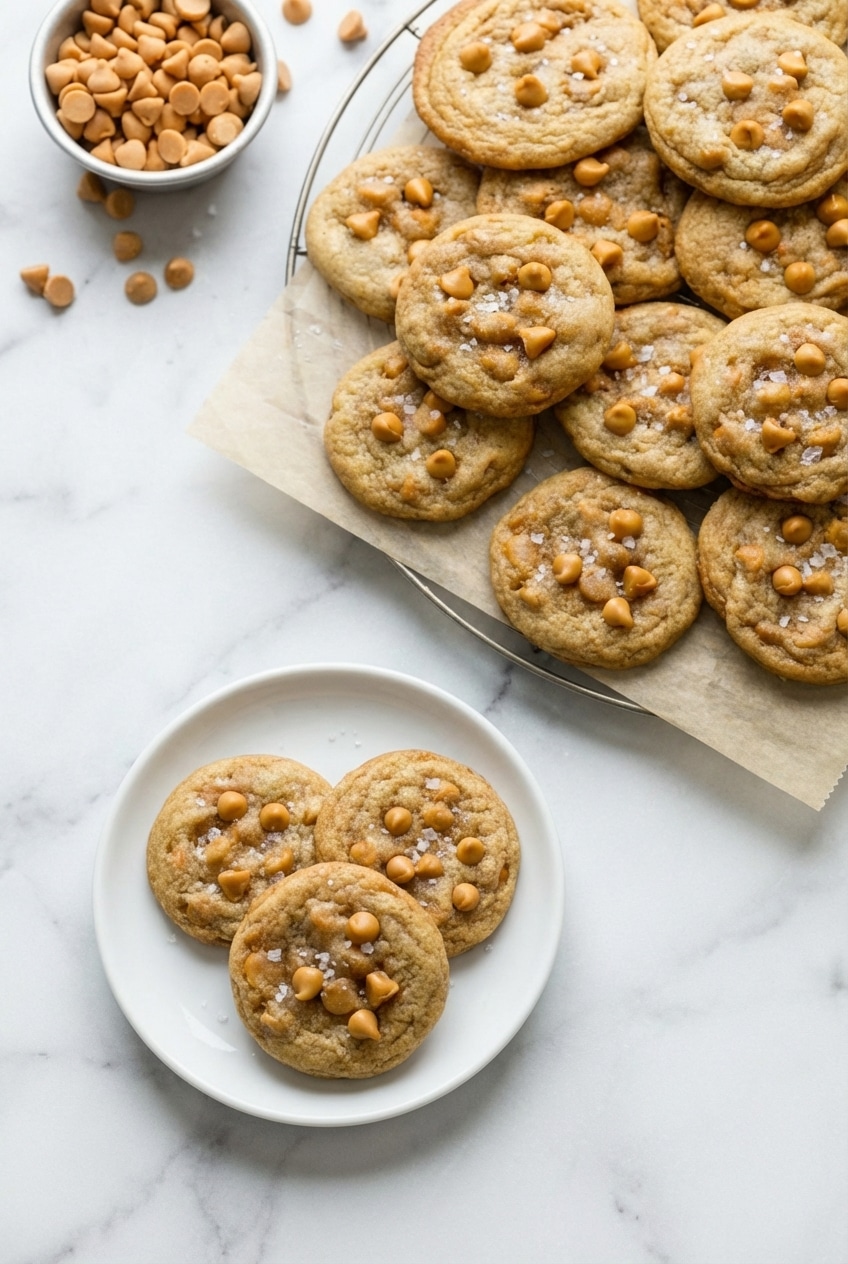
I love these warm with a cold glass of milk, the contrast is pure comfort. A dark roast coffee or latte is just as good, because it reins in the buttery sweetness.
For a party dessert that feels like a fancy diner treat, these make unforgettable ice cream sandwiches with salted caramel or vanilla bean ice cream. The chewy cookie hugs the ice cream instead of cracking.
Storage & Make-Ahead
Store baked cookies in an airtight container, and tuck in a slice of bread to help keep them soft, it’s an old-school trick that still works.
For make-ahead baking, scoop dough balls and freeze for up to 3 months, then bake from frozen at 350°F (180°C), adding just a little extra time as needed until the edges look golden.
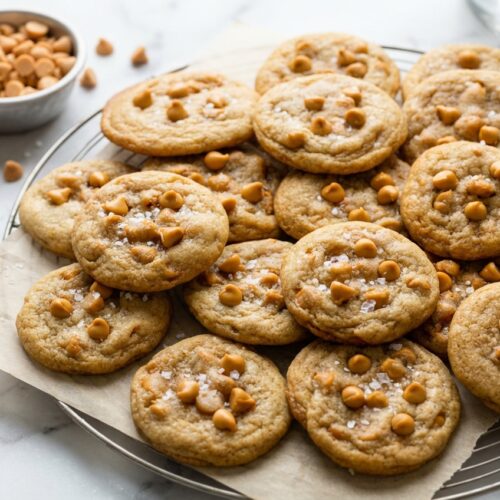
Chewy Butterscotch Cookies With Brown Butter

Equipment
- Stand mixer with paddle attachment
- Large baking sheets
- Parchment Paper
- 1.5 tablespoon cookie scoop
- Wire cooling rack
Ingredients
- 2 ¾ cups (345 grams) all-purpose flour (spooned and leveled)
- 1 teaspoon baking soda
- 1 teaspoon salt
- 1 cup (230 grams; 2 sticks) unsalted butter (softened)
- 1 cup (200 grams) packed light or dark brown sugar
- ½ cup (100 grams) granulated sugar
- 2 large eggs at room temperature
- 2 teaspoons pure vanilla extract
- 1 (11-ounce) package (311 grams) butterscotch chips
Instructions
Prep the dry ingredients
- In a large bowl, whisk the flour, baking soda, and salt until the mix looks evenly fluffy and uniform, with no white streaks remaining. Set the bowl aside for later use.
Cream, emulsify, and build the dough
- Using a stand mixer fitted with the paddle attachment, beat the softened butter with the brown sugar and granulated sugar for 1 to 2 minutes. The mixture should become lighter, airy, and smell like warm caramel.
- Incorporate the eggs and vanilla extract one at a time, mixing well after each addition. Scrape down the sides of the bowl to ensure everything is glossy and cohesive without any separation.
- Add the dry ingredient mixture and mix just until the flour disappears. Fold in the butterscotch chips on low speed until they are evenly distributed throughout the soft, buttery dough.
Chill, scoop, and bake
- Cover the dough tightly and refrigerate for at least 2 hours. This resting period firms the dough and allows the flavors to deepen and round out.
- Preheat your oven to 350°F (180°C). Line three large baking sheets with parchment paper or silicone baking mats to prevent sticking.
- Use a 1.5 tablespoon cookie scoop to portion the dough. Place the mounds onto the prepared baking sheets, leaving enough space between them for even heat circulation.
- Bake for 10 to 12 minutes until the edges are lightly browned and the tops look set. Let the cookies rest on the baking sheet for 5 minutes before transferring them to a wire cooling rack to finish setting.
Notes
Nutrition
Conclusion
Brown butter and a kiss of flaky sea salt turn butterscotch cookies from “nice” into something you’d proudly bring to any gathering. If you have the patience, let the dough chill overnight, the flavor payoff is real.
And if you’re the kind of baker who loves a playful cookie spread, the sweet-salty vibe pairs nicely with the bold crunch of muddy buddy cookies on the same platter.
Frequently Asked Questions
How do I prevent my cookies from spreading too much?
Chill the dough for at least 2 hours, and make sure your butter is not overly warm when you cream it. Also line the pans with parchment paper or a silicone mat, and avoid dark pans that run hot.
Why should I use room temperature eggs?
Room temperature eggs blend smoothly into the creamed butter and sugar, creating a stable emulsion that bakes up evenly. The proper emulsification guidance lines up with what I see in real batches.
Can I add oats to this specific butterscotch cookie recipe?
You can, but it changes the whole structure and chew. If you go the “scotchies” route, the classic approach is replacing 1 cup of flour with 3 cups of rolled oats, and expect a heartier, less glossy cookie.
How long do these cookies stay fresh in an airtight container?
They’re best in the first 2 to 3 days, but they’ll stay pleasant for several days if sealed well. The bread-slice trick helps maintain that soft center.
What brand of butterscotch chips works best for baking?
I’ve had the most consistent flavor with higher-quality chips, because the sweetness reads more buttery and less artificial. Cheaper chips are also more likely to melt into puddles due to their sugar-heavy makeup.
Can I freeze the raw cookie dough?
Yes, scoop into balls first, freeze on a tray until firm, then store airtight for up to 3 months. Bake at 350°F (180°C) and watch for lightly browned edges as your doneness cue.