Skip to content
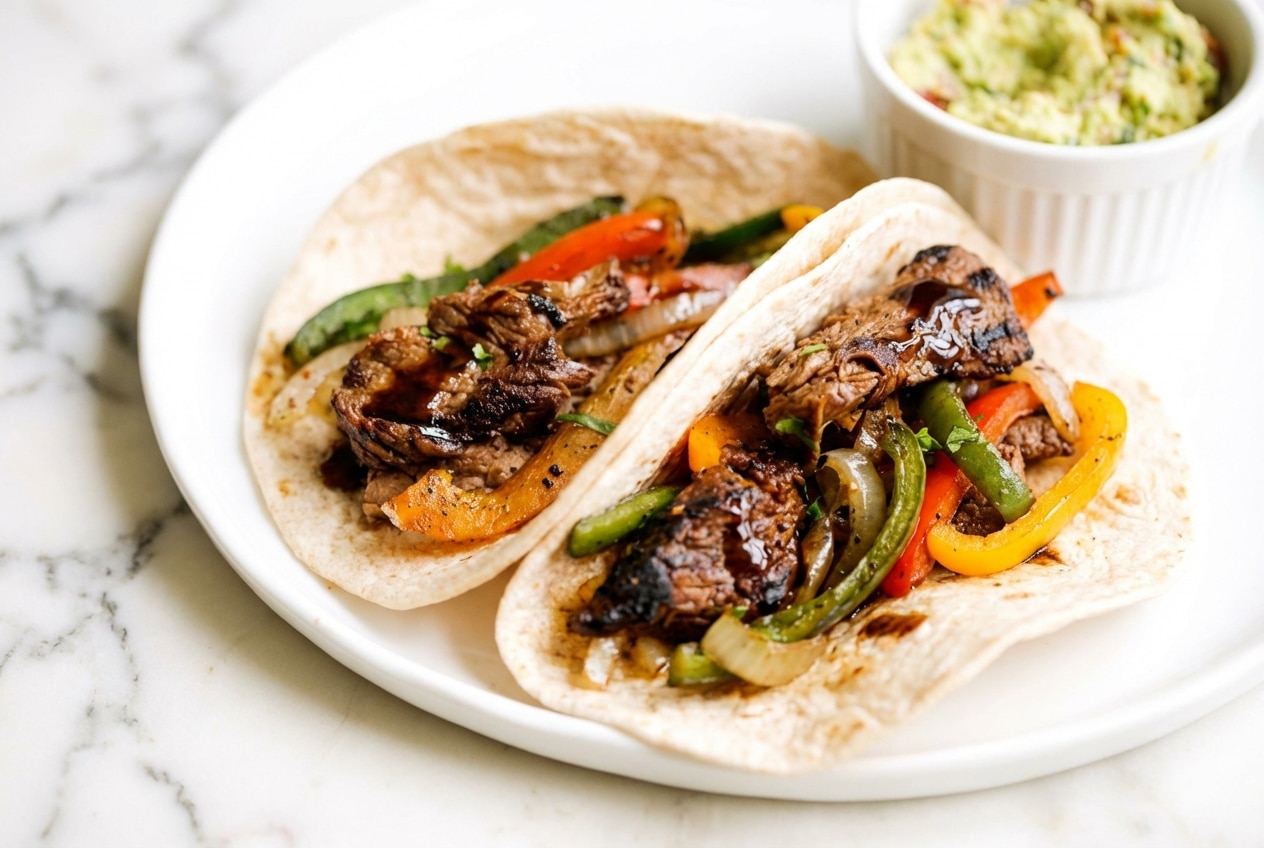
There’s a very specific sound that makes my kitchen feel like a busy Tex-Mex cantina, that sharp sizzle when hot steak hits cast iron and the air instantly turns smoky, citrusy, and a little sweet. That’s the moment I’m chasing every time I make Beef Steak Fajitas at home.
This version is built for restaurant-level flavor without the “why does this taste flat?” problem. The trick is a tiny umami boost in the marinade, plus a few chef habits that guarantee tender slices, charred peppers, and that buttery, caramelized edge you smell before you even take a bite.
Why You’ll Love This Recipe
Umami Bomb Depth: I add a whisper of fish sauce or soy sauce, and suddenly the beef tastes fuller and more “steaky,” even though fajitas cook fast in a cast iron skillet.
Tender, Not Mushy: Pineapple juice brings bromelain to the party, so skirt steak or flank steak softens beautifully, as long as you respect the marinating window.
Real Cantina Sizzle: High heat plus a dry steak means the Maillard reaction actually happens, you get that browned crust and the whole kitchen smells smoky and rich.
Weeknight Energy, Weekend Flavor: This is the same fast, bold comfort I love in a beef enchilada skillet, just with a steakhouse-style sear.
Ingredients and Substitutions
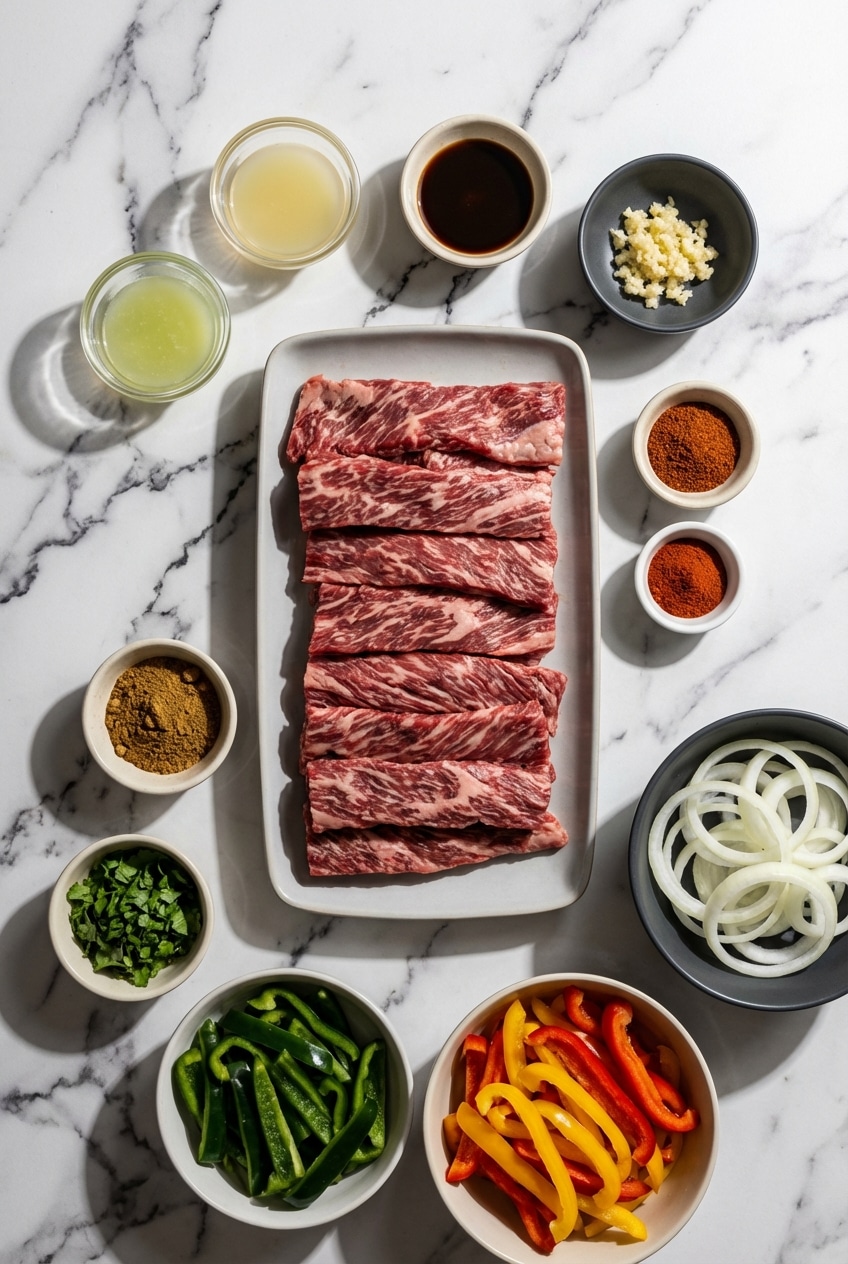
These ingredients are all about contrast, bright lime, sweet pineapple, warm cumin, and peppers that char at the edges while staying crisp-tender.
Ingredients
Steak Marinade:
- 1/3 cup lime juice
- 1/4 cup pineapple juice
- 2 tablespoons Worcestershire sauce
- 3 tablespoons olive oil
- 1 tablespoon minced garlic
- 2 teaspoons ground cumin
- 2 teaspoons chili powder
- 1 teaspoon kosher salt
- 1 teaspoon smoked paprika
- 1/2 teaspoon black pepper
- 1/2 teaspoon red pepper flakes
- 1/4 cup chopped cilantro
Fajitas:
- 1 1/2-2 pounds skirt or flank steak
- 1 tablespoon high heat oil
- 2 medium white onions
- 1 large poblano
- 3 bell peppers
Optional:
- Flour tortillas
- Guacamole
- Pico de gallo
- Sour cream
Ingredient Notes & Substitutions
The Secret Addition: Stir 1 teaspoon of fish sauce or soy sauce into the marinade you see above. It doesn’t make the fajitas taste “fishy” or “soy,” it just deepens the savory backbone, the kind of umami taste you notice most when meat cooks quickly.
Skirt steak vs. Flank steak: Skirt steak is thinner and usually fattier, so it sears fast and stays juicy with a bolder beefy bite. Flank steak is thicker and leaner, so it may need the longer end of the 3 to 5 minutes per side range, and it rewards you most when you slice truly against the grain.
Pineapple juice: Pineapple brings bromelain, a tenderizing enzyme that works quickly. That’s why I treat the 2 to 4 hour marinade like the sweet spot, long enough for tenderness, short enough to keep the steak pleasantly springy.
The poblano factor: That one poblano pepper gives a subtle smoky depth that bell peppers can’t fake. When the skin blisters in the pan, the aroma turns almost roasted, like you stood over a little taquería grill.
Orange juice question: If you swap pineapple for orange juice, you lose the bromelain effect, so tenderness won’t be the same. Flavor-wise it’s lovely, but you’ll want to be extra disciplined about resting and slicing.
How to make Beef Steak Fajitas
Marinate for flavor and tenderness
- In a large shallow bowl or zip-top bag, whisk together all the steak marinade ingredients until the cumin and chili powder look evenly suspended, then add 1 teaspoon fish sauce or soy sauce for that savory boost.
- Add the steak and massage the marinade into every fold, then cover and refrigerate at least 2-4 hours, ideally overnight, but do not go over 14 hours or the bromelain can push the texture toward mushy.
- Take the steak out 30 minutes before cooking so it loses its fridge chill and cooks more evenly.
Sear hot and fast
- Set a large cast iron skillet or grill pan over high heat for a couple of minutes, you want it so hot that a drop of water would skitter and vanish.
- Lift the steak from the marinade and pat it completely dry with paper towels, this is what lets browning happen instead of steaming.
- Lay the steak in the pan and let it sit, undisturbed, until you smell that nutty, buttery char, about 3-5 minutes per side for medium-rare, longer if you like it more done.
- If the skillet starts to smoke aggressively, turn the heat down to medium-high, you still want fierce heat, just not a burnt pan.
- Move the steak to a board and tent with foil, then rest several minutes so the juices settle back into the meat.
Char the veggies and slice like a pro
- Add the remaining tablespoon of oil to the pan over high heat, then toss in the onions, poblano, and bell peppers, and listen for that immediate sizzle.
- Cook 2-3 minutes, tossing as needed, until the edges look blistered and dark in spots while the centers stay crisp-tender, then finish with a pinch of salt and pepper.
- If your skillet is small, cook in batches so the vegetables char and caramelize instead of releasing water and boiling.
- Slice the rested steak against the grain into thin strips, aiming your knife on a slight angle so each piece feels tender, then nestle the slices back into the peppers and onions if you like.
Secrets for Sizzling Perfection
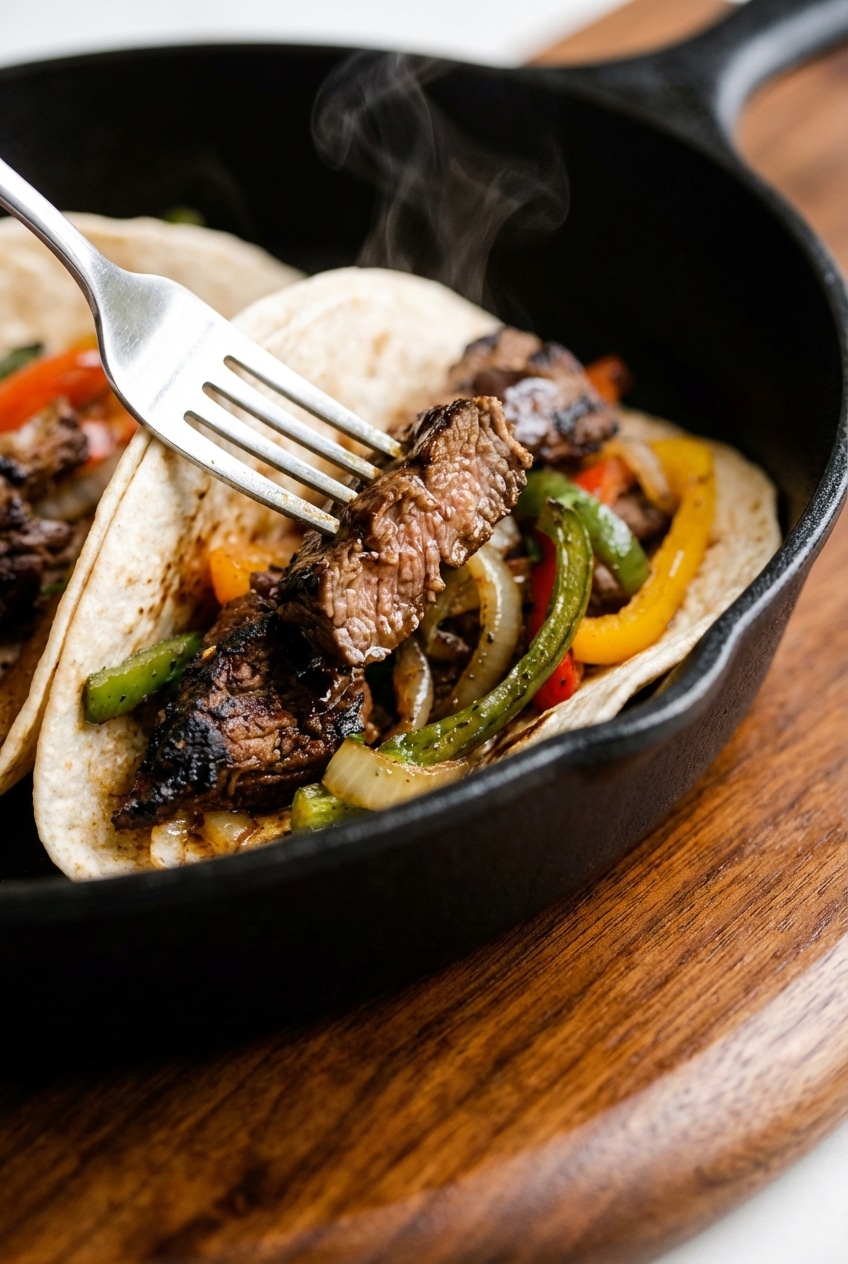
Temperature targets: In my kitchen, I pull steak at 130°F internal temperature for medium-rare after resting. The heat carryover finishes the job while keeping the center rosy and juicy.
The windowpane visual: Before slicing, I stretch a small edge piece to “open up” the fibers and reveal the grain direction. The technique matches what professionals mean by slicing against the grain, and it’s the difference between tender fajitas and chewy ones.
Don’t overcrowd: When peppers pile up, they sweat, and steam is the enemy of char. Give them breathing room so you get caramelization and those dark, smoky blisters.
High-heat confidence: The same searing mindset applies to quick beef dishes like beef and broccoli, hot pan, dry meat, short cook, then slice properly for tenderness.
Pro Tips & Troubleshooting
Pro Tips
- Mix red, yellow, and orange peppers for varying levels of sweetness and a prettier pan.
- Use a cast iron skillet because it holds heat and gives better char.
- Pat the steak very dry before searing so the Maillard reaction can build a real crust.
- Rest the steak under foil several minutes, the slices stay juicy.
- Slice against the grain at a 45-degree angle, each bite feels softer.
Common Mistakes to Avoid
- Slicing too early, hot steak dumps juices onto the board and tastes dry.
- Over-marinating, more than 12-14 hours can make the meat mushy.
- Overcrowding the vegetables, they steam and turn watery instead of charred.
- Cooking a wet steak, moisture blocks browning and you lose that smoky edge.
Serving & Storage
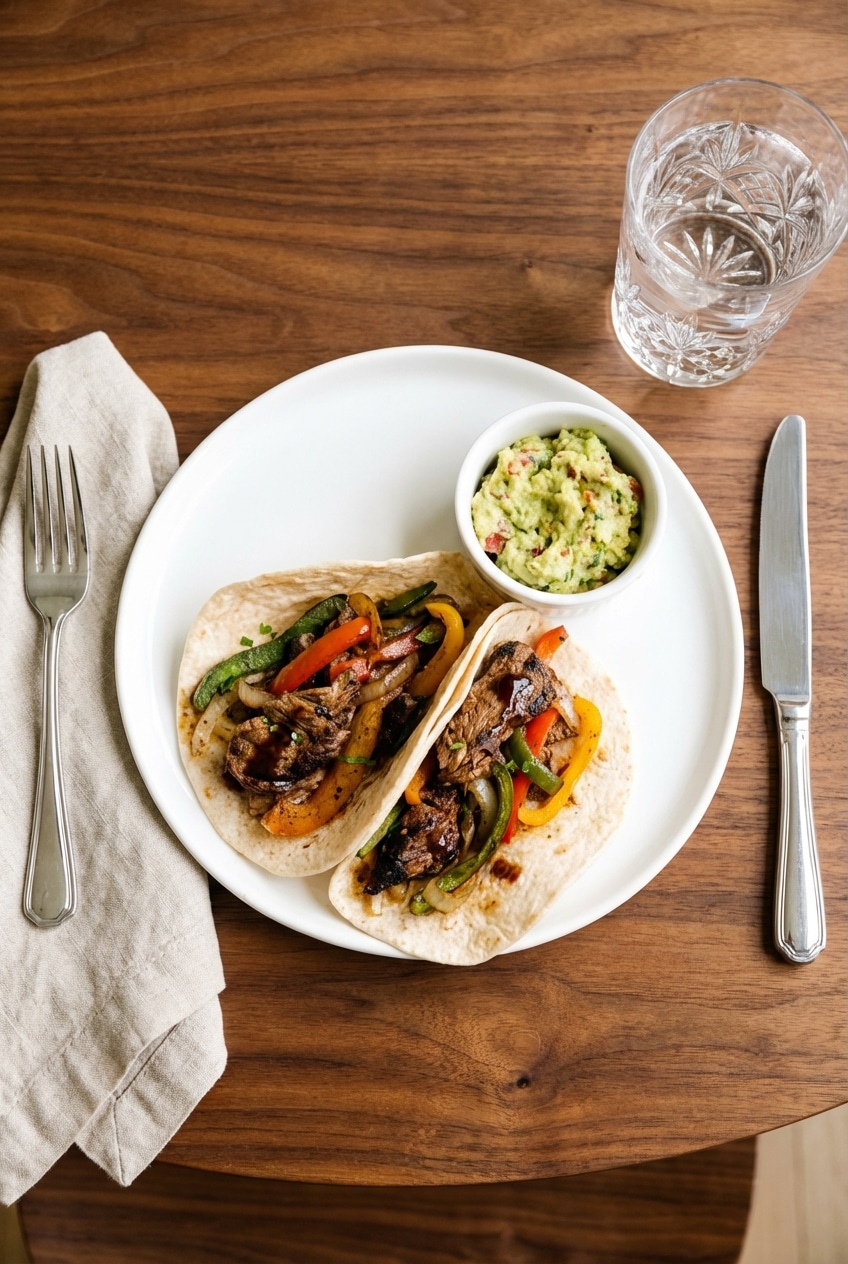
Serving Ideas
Warm tortillas directly over a gas flame for about 5 seconds, just until the edges spot and curl. That tiny bit of char makes the whole fajita taste more like a restaurant platter.
I set the table “family-style” with guacamole, pico de gallo, sour cream, and extra lime, then let everyone build their own. If you want the full Tex-Mex feeling, a side of elote or cilantro-lime rice makes the skillet stretch further.
Storing, Freezing, and Reheating
Store steak and vegetables together in an airtight container in the fridge, and they’ll eat well for a few days. Keep tortillas separate so they don’t get soggy.
For reheating, use a skillet over low heat with a small splash of water, then cover briefly to loosen everything without turning the beef rubbery. Microwave heat is fast, but it tends to toughen skirt steak and flank steak.
Leftovers also shine cold or room temp, especially tucked into a leftover steak salad with crunchy romaine and a bright limey dressing.
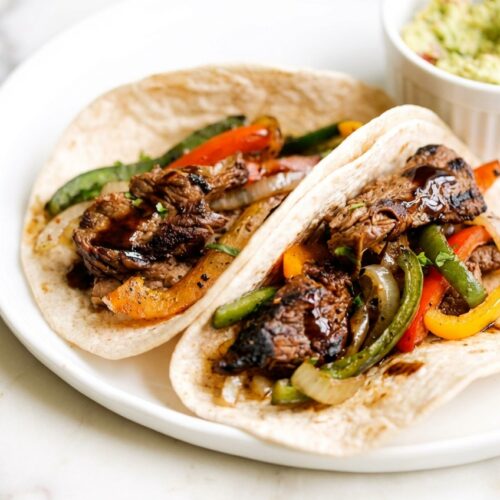
Sizzling Restaurant-style Beef Steak Fajitas

Equipment
- Cast iron skillet or grill pan
- Large shallow bowl or zip-top bag
- Paper towels
- Aluminum Foil
Ingredients
Steak Marinade:
- 1/3 cup lime juice
- 1/4 cup pineapple juice
- 2 tablespoons Worcestershire sauce
- 3 tablespoons olive oil
- 1 tablespoon minced garlic
- 2 teaspoons ground cumin
- 2 teaspoons chili powder
- 1 teaspoon kosher salt
- 1 teaspoon smoked paprika
- 1/2 teaspoon black pepper
- 1/2 teaspoon red pepper flakes
- 1/4 cup chopped cilantro
Fajitas:
- 1.5 pounds skirt or flank steak up to 2 pounds
- 1 tablespoon high heat oil
- 2 medium white onions
- 1 large poblano
- 3 bell peppers
Optional:
- Flour tortillas
- Guacamole
- Pico de gallo
- Sour cream
Instructions
Marinate for flavor and tenderness
- In a large shallow bowl or zip-top bag, whisk together all the steak marinade ingredients until the cumin and chili powder look evenly suspended. Stir in 1 teaspoon of fish sauce or soy sauce for a savory umami boost.
- Add the steak and massage the marinade into every fold. Cover and refrigerate for 2 to 4 hours, or ideally overnight. Do not exceed 14 hours to prevent the texture from becoming too soft.
- Remove the steak from the refrigerator 30 minutes before you intend to cook so it can lose its chill and cook more evenly.
Sear hot and fast
- Set a large cast iron skillet or grill pan over high heat for several minutes until it is screaming hot.
- Remove the steak from the marinade and pat it completely dry with paper towels to ensure a deep brown sear instead of steaming.
- Lay the steak in the pan and sear undisturbed for 3 to 5 minutes per side for medium-rare. If the pan smokes excessively, reduce the heat to medium-high.
- Transfer the steak to a cutting board and tent with foil. Let it rest for several minutes to allow the juices to redistribute.
Char the veggies and slice like a pro
- Add the remaining oil to the same skillet over high heat. Toss in the sliced onions, poblano, and bell peppers.
- Cook for 2 to 3 minutes, tossing occasionally, until the vegetables are blistered and dark in spots but still crisp-tender. Season with a pinch of salt and pepper.
- Slice the rested steak against the grain into thin strips at a 45-degree angle. Place the slices back with the peppers and onions to serve.
Notes
Nutrition
Conclusion
These Beef Steak Fajitas are all about big cantina flavor with a chef’s little science trick, that tiny umami booster that makes the beef taste slow-cooked, even when it’s cooked fast. Once you feel how tender the slices get from proper marinating, resting, and cutting against the grain, you’ll never settle for chewy fajitas again.
Play with the pepper colors, keep the pan hot, and let that first sizzle tell you you’re doing it right.