Skip to content
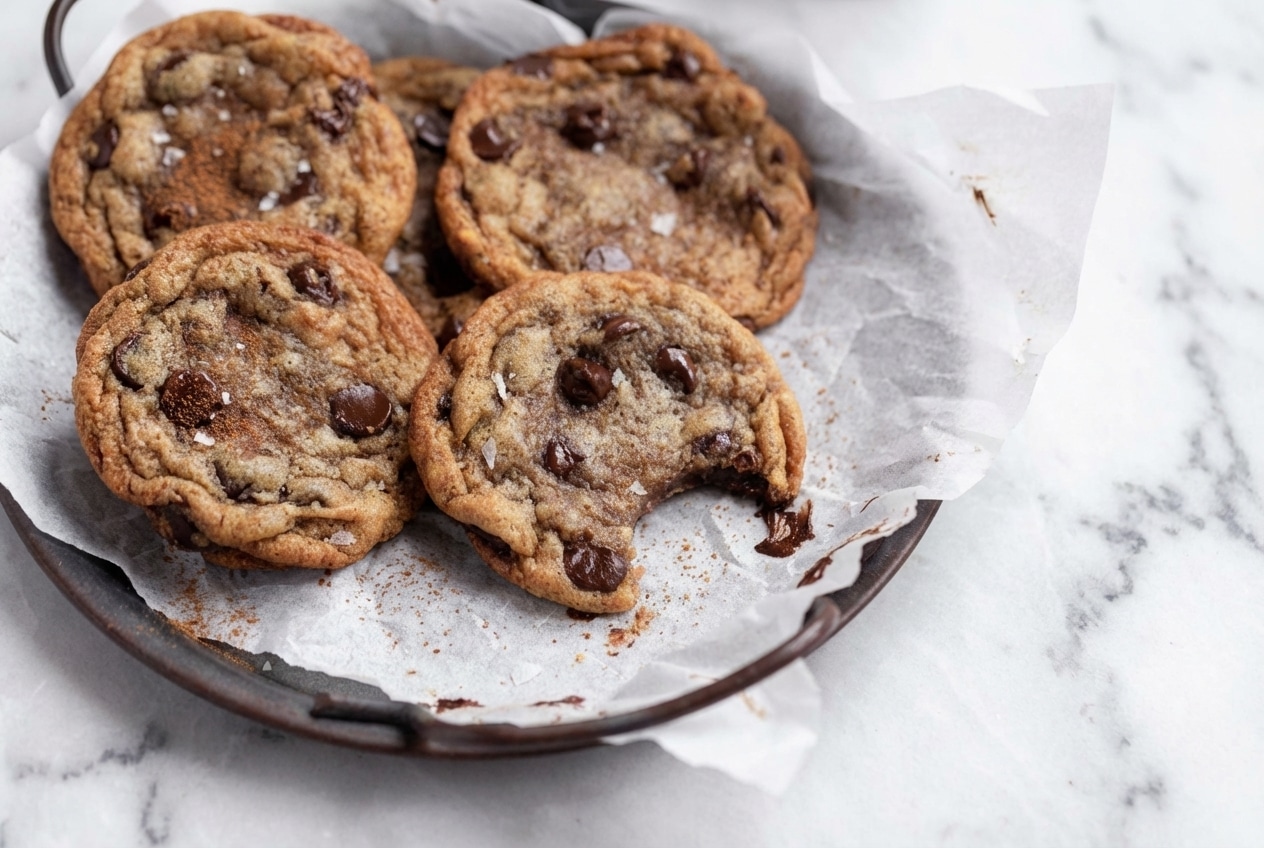
On Sunday mornings in my kitchen, the smell of overripe bananas always feels like a warm sweater, sweet, nostalgic, and impossible to ignore. The only problem is that most banana bakes drift straight into “muffin territory,” and nobody asked for a cakey cookie.
These banana chocolate chip cookies fix that. You get crisp edges, a chewy center, and that gooey bite that tastes like banana bread and a classic cookie shook hands. If you’ve ever pulled a pan of banana cookies and thought, “Why are these so bready?”, this is the batch that redeems it.
Why You’ll Love This Recipe
Brown butter depth: In my kitchen, beurre noisette is the move, it turns simple fat into toasted, nutty perfume, and it plays beautifully with brown sugar and its molasses notes.
Cinnamon that actually tastes like cinnamon: Blooming ground cinnamon in warm fat wakes up its fat-soluble aromas, so the spice reads bold and bakery-like instead of dusty.
Chewy, not cakey: This dough is designed to avoid that banana-bread texture, the balance of all-purpose flour, baking soda, and moisture keeps the center fudgy.
Comfort-food hybrid: If you love the idea of banana bread cookies, this version leans chewier and more chocolate-forward.
Ingredients and Substitutions
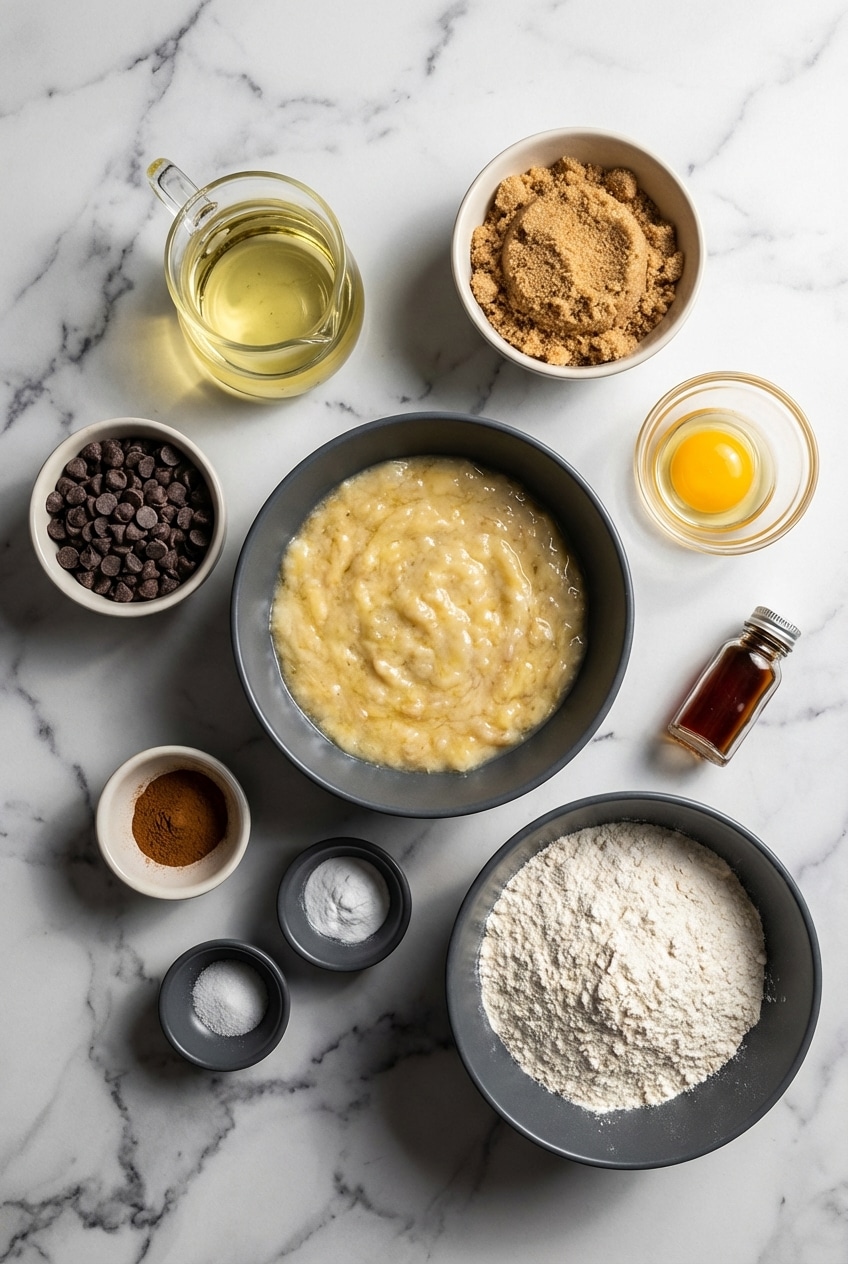
Keep the list simple and the measurements exact, especially the banana. With overripe bananas, a little extra mash can be the difference between chewy and cakey.
Ingredients
- 1 small overripe banana, mashed (it should measure 1/4 cup–if it’s more just discard the overflow)
- 1/2 cup vegetable oil or melted butter
- 1 cup light brown sugar, packed
- 1 egg yolk
- 1 teaspoon vanilla extract
- 1 1/3 cups all purpose flour
- 1/2 teaspoon baking soda
- 2 teaspoons ground cinnamon
- 1/2 teaspoon salt
- 2/3 cup chocolate chips
Ingredient Notes & Substitutions
Overripe banana: The best is spotted, or nearly black, and very fragrant. That higher sugar level helps the Maillard reaction, so your cookies taste deeper and more caramelized, not bland and starchy.
Mashed banana measurement: Treat “1/4 cup” like a rule, not a suggestion. For extra precision, I aim for about 60 grams mashed banana, because too much moisture is the fastest road to cakey or rubbery cookies.
Egg yolk: Using only the egg yolk is a quiet little trick that keeps the binder rich without adding extra water and protein from the white. The result is tender chew instead of a springy, bread-like bite.
Vegetable oil or melted butter: Oil bakes up soft and even, butter gives more flavor and a slightly firmer chew. When I want the “secret twist” effect, I brown the butter first, then stir the cinnamon into the hot butter to bloom it.
Chocolate chips: Semi-sweet chocolate chips are my everyday choice because they balance the sweetness of banana and brown sugar. Chocolate chunks also work in spirit, but they can melt into bigger pockets and make the dough feel looser.
Vegan swap: The egg yolk can be swapped with a flax egg (1.5 tsp ground flaxseed + 2 tbsp water). Let it gel for a few minutes, then mix it in where the yolk goes.
How to Make banana chocolate chip cookies
Mix the wet base
- In a large bowl, combine the melted butter, brown sugar, and mashed banana. Mix until it looks glossy and unified.
- Add the egg yolk and vanilla extract. Mix well until the mixture thickens slightly and smells like caramel and vanilla.
Fold in the dry ingredients
- Add the flour, salt, baking soda, and cinnamon. Stir just until you don’t see dry streaks, then stop to avoid gluten development.
- Fold in the chocolate chips gently, so the dough stays tender instead of tough.
Rest the dough while the oven heats
Cover and set the dough aside for about 15 minutes while the oven preheats, this hydration time lets the flour starches drink up moisture for a better, chewier crumb.
Scoop, bake, and cool
- Line a cookie sheet with parchment paper and preheat the oven to 350°F. Once preheated, scoop 1-ounce dough balls, spacing them about 2 inches apart, the dough will feel a little wet.
- Bake for 10 to 11 minutes, until the edges are set and the tops look puffed, but the middles still look underbaked.
- Allow to cool before eating, they finish setting as they cool, and that’s where the chew is born.
Mastering the Texture: Chef’s Secret Techniques
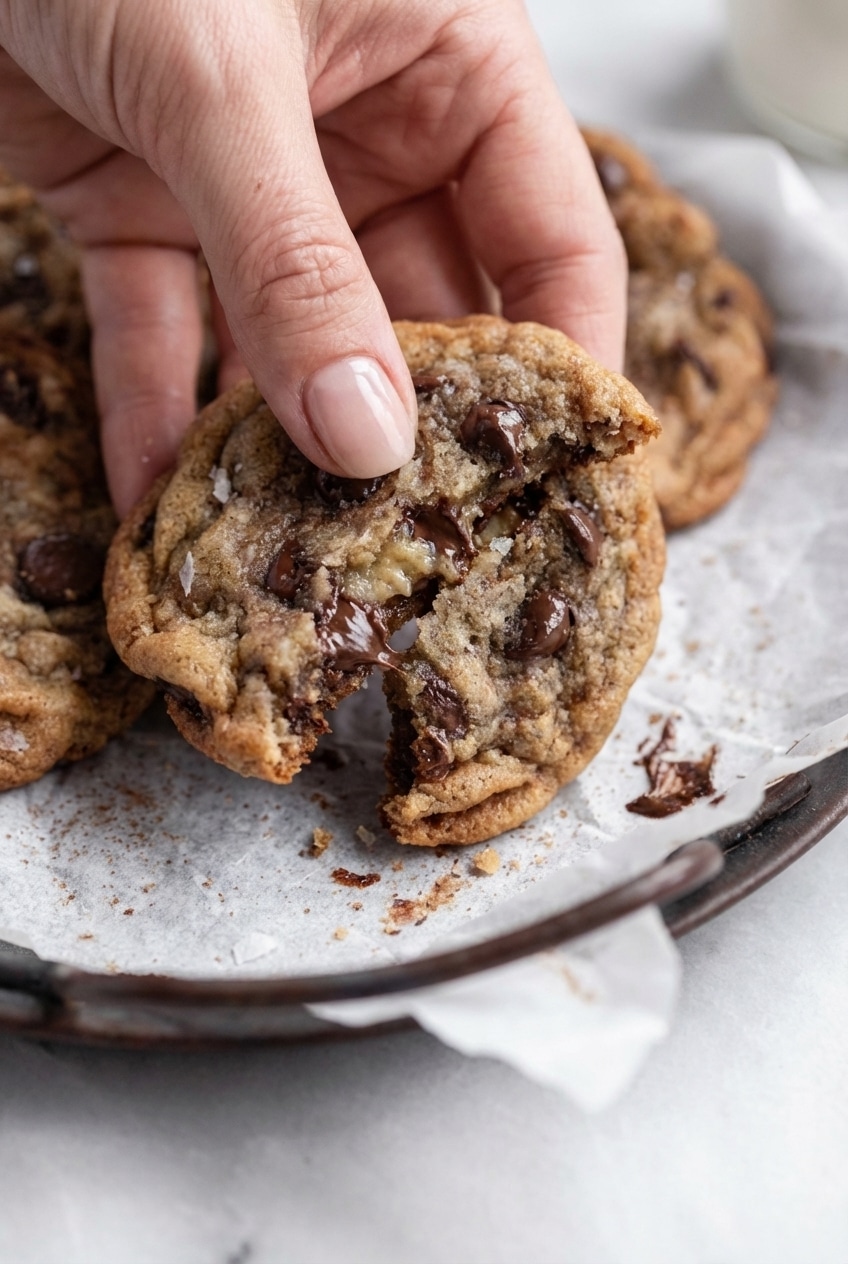
I’ve baked enough banana cookies to know the heartbreak: you want chewy, you get cake. These small details are what keep this dough in cookie-land.
The Golden Ratio
That “1/4 cup” banana measurement is the magic number because it gives aroma and sweetness without flooding the dough. When I weigh it, I shoot for about 60 grams mashed banana, any more and the extra water pushes you toward a soft, rubbery crumb.
Butter vs. Oil
Melted butter gives a richer flavor and better browning, oil makes the texture softer and more uniform. Compared with classic chocolate chip cookies, banana-based dough needs that balance to avoid spreading into a thin, soft round.
The Science of Sogginess
Bananas bring moisture and potassium, which can make cookies soften quickly after baking. The packed brown sugar and its molasses content helps hold chew, and the flour ratio keeps structure so the centers stay fudgy instead of wet.
Pro Tips & Troubleshooting
Pro Tips
- Brown-butter bonus: If using butter, brown it first until nutty and golden, then stir cinnamon into the hot fat to bloom it before mixing.
- Pan banging: Smack the baking tray on the counter 2 to 3 times right after baking to create ripples and a chewier center.
- Weight is king: A kitchen scale keeps your mashed banana and all-purpose flour consistent every single batch.
- Pull them early: When centers look slightly underbaked, you’re exactly on track for gooey.
Common Mistakes to Avoid
- Using yellow bananas: Without deep spots, the starch-to-sugar conversion is incomplete and the flavor falls flat, those bananas fit better in banana oatmeal muffins when you want something breakfast-y.
- Adding too much banana: If the mash exceeds 1/4 cup, the extra moisture makes cookies cakey or rubbery.
- Over-mixing after flour: Too much stirring triggers gluten development and bakes up tough.
- Over-baking: If they look fully done in the oven, they’ll cool into dry cookies instead of chewy ones.
Serving & Storage
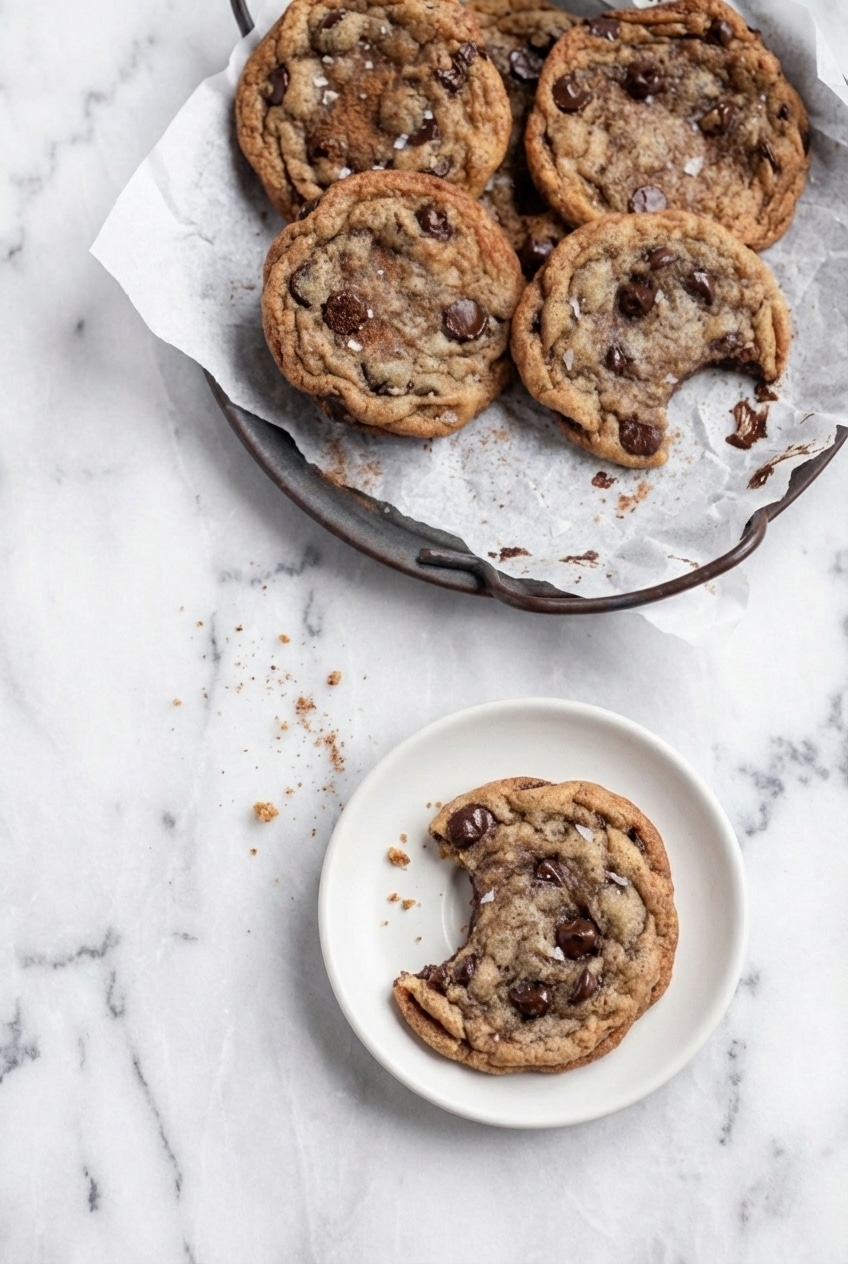
Serving Ideas
A pinch of flaky sea salt on top makes the chocolate taste deeper and keeps the sweetness in check. I love them still a little warm, when the chocolate chips are soft and the cinnamon is fragrant.
Two cookies with a scoop of vanilla or salted caramel gelato in the middle turns them into a proper dessert. The banana note reads like banana bread, but the texture stays chewy and indulgent.
Storage & Freezing
At room temperature, store in an airtight container with a piece of bread, it helps keep them from getting too soft. If your kitchen runs warm, keep them out of sunlight so the chocolate doesn’t sweat.
To freeze dough balls, scoop first, then freeze on a tray until firm, and transfer to a sealed bag. Bake from frozen at 350°F, adding time as needed until the edges are set and the centers still look slightly underbaked.
To freeze baked cookies, cool completely, then wrap tightly and freeze. Thaw at room temperature, and a quick warm-up brings back that fresh-baked gooey center without turning them soggy.
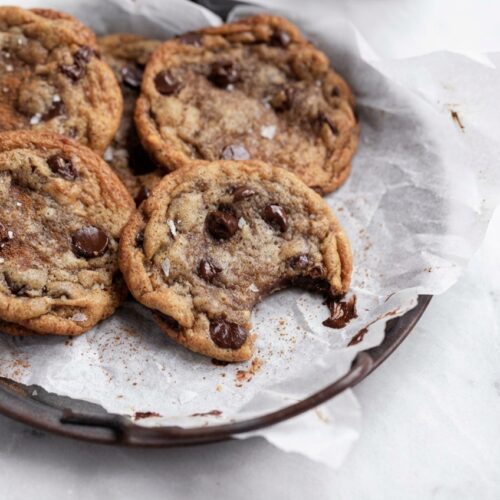
Banana Chocolate Chip Cookies Chewy

Equipment
- large bowl
- Spatula
- Cookie sheet
- Parchment Paper
Ingredients
- 1 small overripe banana, mashed (it should measure 1/4 cup–if it’s more just discard the overflow)
- 1/2 cup vegetable oil or melted butter
- 1 cup light brown sugar, packed
- 1 egg yolk
- 1 teaspoon vanilla extract
- 1 1/3 cups all purpose flour
- 1/2 teaspoon baking soda
- 2 teaspoons ground cinnamon
- 1/2 teaspoon salt
- 2/3 cup chocolate chips
Instructions
Mix the wet base
- In a large bowl, combine the melted butter, brown sugar, and mashed banana. Mix until glossy and fully unified.
- Add the egg yolk and vanilla extract, then mix until the mixture thickens slightly.
Fold in the dry ingredients
- Add the flour, salt, baking soda, and cinnamon. Stir just until no dry streaks remain—stop as soon as it comes together to avoid over-developing gluten.
- Fold in the chocolate chips gently to keep the dough tender.
Rest the dough while the oven heats
- Cover the dough and let it rest for about 15 minutes while the oven preheats. This short hydration helps the cookies bake up chewier.
Scoop, bake, and cool
- Line a cookie sheet with parchment paper and preheat the oven to 350°F. Once preheated, scoop 1-ounce dough balls and space them about 2 inches apart.
- Bake for 10 to 11 minutes, until the edges are set and the tops look puffed, but the centers still look slightly underbaked.
- Let the cookies cool before eating—they finish setting as they cool, which locks in that chewy center.
Notes
Nutrition
Conclusion
When you want banana chocolate chip cookies that stay chewy, the secret is restraint, measured banana, a single egg yolk, and that brown butter plus cinnamon infusion for real bakery flavor. This is the batch I bake when I want crisp edges, a fudgy middle, and zero “banana muffin” vibes.
If you play with it, keep the banana measurement steady and let the dough rest the full 15 minutes. That little pause is where the magic happens.
Frequently Asked Questions
Why are my banana cookies cakey instead of chewy?
The usual culprit is too much mashed banana, which adds excess water and pushes the dough toward a cake-like crumb. Over-mixing after adding all-purpose flour can also cause gluten development, making the texture bready or rubbery, a richer variation like banana pudding cookies can hide that effect, but this recipe fixes it at the source.
Can I use frozen bananas for this recipe?
Yes, but thaw them fully and drain off excess liquid before measuring. Then measure the mash carefully so it’s still 1/4 cup, because frozen bananas often release extra water.
How do I keep the cookies from spreading too much?
Don’t skip the 15-minute rest, it hydrates the flour and helps the dough set up. Also use parchment paper and scoop consistent 1-ounce portions so they bake evenly.
How long do banana chocolate chip cookies stay fresh?
They’re best within 2 to 3 days at room temperature in an airtight container. The bread-in-the-container trick helps maintain chew without turning them sticky-soft.
Is it better to use butter or oil for these cookies?
Oil gives a softer, more uniform crumb, butter gives more flavor and a slightly firmer chew. If you love a gourmet finish, browned butter adds that nutty, toasted note that pairs perfectly with cinnamon and brown sugar.