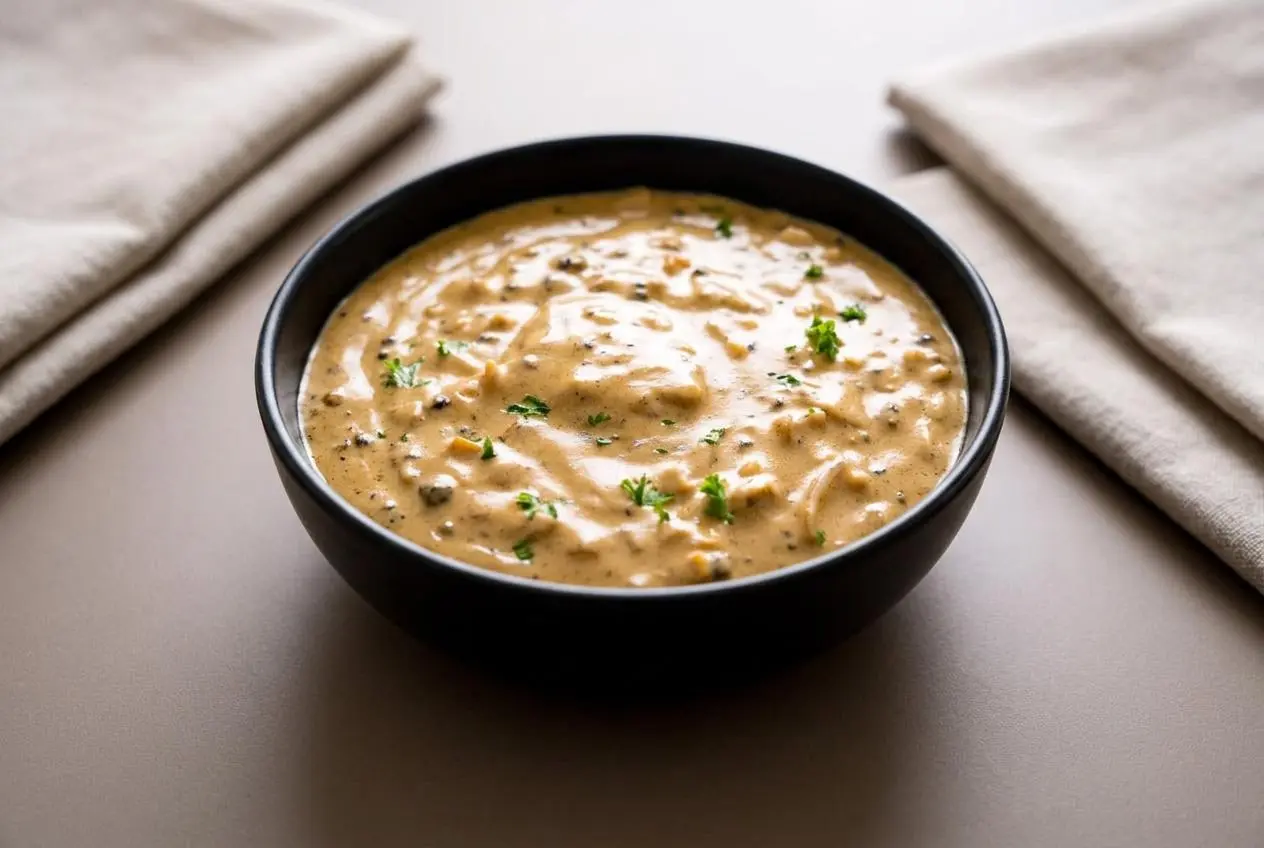
On a cold night, nothing pulls people into the kitchen faster than a bubbling pot of cheese and the sound of bread hitting the board. This Cheese Fondue Recipe is my go-to centerpiece for holidays, game nights, and any evening that needs a little “stay awhile” energy.
If you’ve ever had fondue turn grainy, oily, or snap into a rubbery blob, you’re not alone. In my kitchen, one small professional trick keeps the melt glossy and calm, so you get that silky ribbon of Gruyère and Swiss cheese every single time.
Why You’ll Love This Recipe
Glossy, chalet-level texture: The Sodium Citrate Gloss Enhancement is the quiet hero here, it helps emulsification stay stable even when the pot’s heat wobbles.
No more oily separation: I built this method to stop that dreaded slick of butterfat on top, so your fondue stays smooth from first dip to last.
Big nutty aroma, buttery finish: Gruyère brings that toasted, alpine perfume, while Swiss cheese rounds it out with a mellow, creamy sweetness.
Friendly for entertaining: It’s quick, it’s communal, and it forgives distractions, which is exactly what you want when everyone’s laughing around the table.
Ingredients and Substitutions

These ingredients are simple, but each one has a job, wine for acidity, starch for body, and the right cheeses for that classic fondue pull.
Ingredients
- 1 cup dry white wine
- 2 tablespoons all-purpose flour or cornstarch
- 1/4 teaspoon ground nutmeg
- 1/2 pound shredded Swiss cheese
- 1/2 pound shredded Gruyère cheese
- 1/4 teaspoon salt
- 1 pound loaf French bread, cut into 1 inch cubes
Ingredient Notes & Substitutions
Cheese (Swiss cheese and Gruyère): Grate it yourself from a block if you can, pre-shredded bags often carry anti-caking agents that fight a silky melt. I like a balanced blend, but you can lean more Gruyère for a deeper, nutty fondue, or add a touch of Emmentaler for extra alpine character.
Dry white wine: Go crisp and clean, Sauvignon Blanc and Pinot Grigio are dependable because they bring bright acidity without oak. That acidity helps keep the proteins relaxed, which is one of the small “why it works” details most people never get told.
Alcohol-free option: Chicken broth with a squeeze of lemon juice gives you the same kind of gentle tang that wine contributes. The fondue tastes slightly more savory, but it still dips beautifully.
All-purpose flour or cornstarch: Cornstarch tends to give a clearer, silkier finish, while flour reads a touch more rustic and hearty. Either works, as long as you whisk it in smoothly before the cheese goes anywhere near the pot.
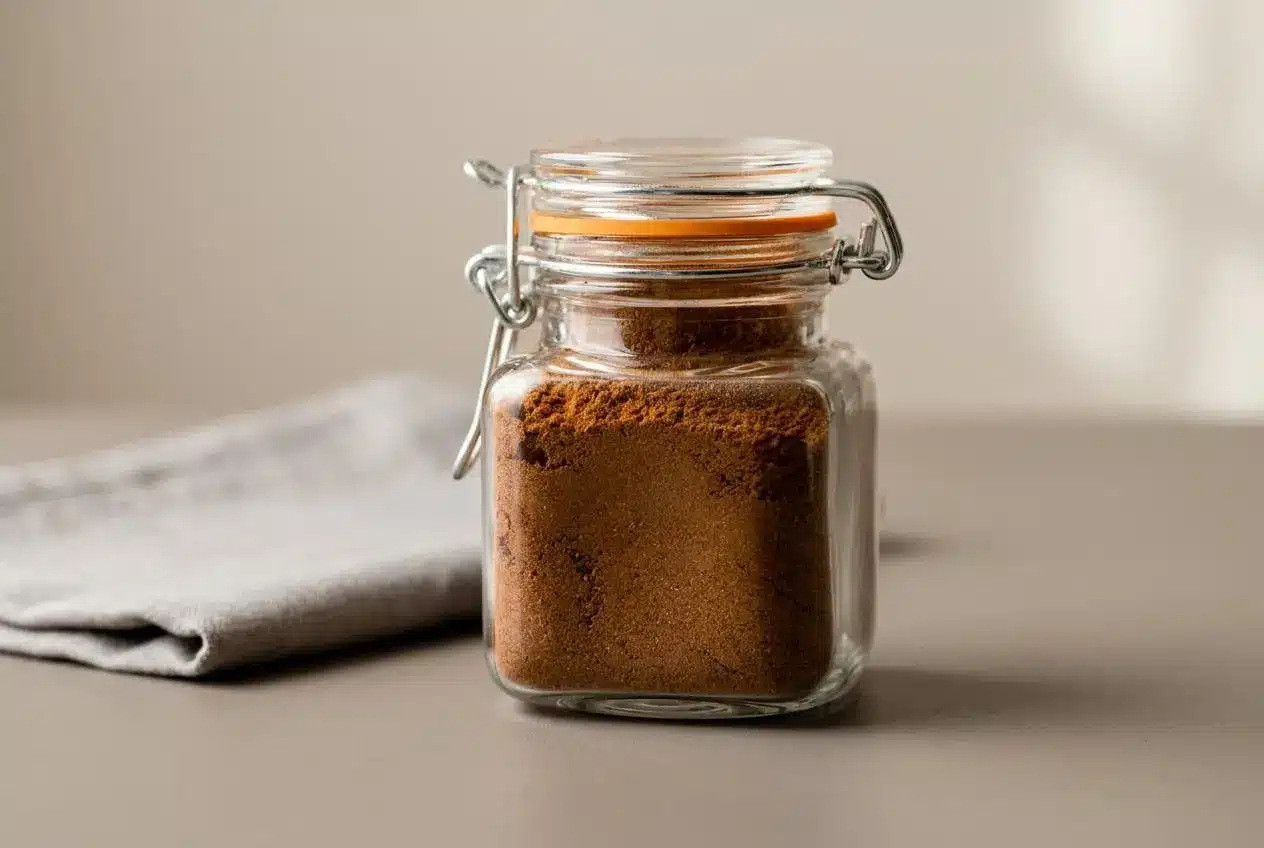
Nutmeg: That tiny amount shouldn’t scream “spice,” it should whisper warmth in the background. Freshly grated is lovely, but the measurement stays the same.
How to Make Cheese Fondue Recipe
Prep the pot and build the base
- If you have a garlic clove handy, rub the inside of your pot with it for a soft, savory perfume, then discard it. Set the pot over medium-low heat and pour in the wine.
- Warm the wine until it reaches a gentle simmer, you want steam and tiny bubbles, not a boil. Whisk in the flour (or cornstarch) and nutmeg until the liquid looks smooth and lightly thickened, with no dusty pockets.
The slow melt, the silky ribbon stage
- Keep the heat at medium-low and add the Swiss cheese and Gruyère in small handfuls, about 1/4 pound at a time. Stir after each addition until the shreds disappear and the fondue looks glossy before adding more.
- As it melts, watch for the transformation: the mixture goes from stringy to cohesive, then to a satiny flow that drapes off your spoon like a thick ribbon. If you see vigorous bubbling, lower the heat right away.
Season and serve
- Stir in the salt, then keep the heat as low as your setup allows so the fondue stays fluid and calm. The surface should look shiny, not foamy.
- Serve right away with the French bread cubes, and keep the pot warm over a low flame so every dip stays spoon-silky.
Secrets for the Most Velvety Cheese Melt

The make-or-break moment in any fondue is temperature. In my experience, cheese is happiest around the “melt zone,” and when it pushes much past about 150°F, it can tighten, clump, and split into fat plus protein.
If you own a thermometer, it’s a quiet confidence boost. Aim for gentle heat and a lazy simmer in the wine, then keep the cheese mixture just hot enough to flow, never boiling.
Wine helps more than flavor, it brings tartaric acid, which nudges the cheese proteins to stay separated instead of grabbing each other and turning grainy. That’s why a crisp, dry wine makes the pot behave like a professional sauce.
Sodium citrate is the other layer of insurance, because it supports a stable emulsion. The science gets nerdy fast, but the calcium-sequestering properties of sodium citrate help explain that glossy, never-breaks texture.
If your stove runs hot or jumps around, a double boiler setup is a lifesaver. Gentle steam heat keeps the fondue in that safe, silky zone without surprise spikes.
Pro Tips & Troubleshooting
Pro Tips
- Rub the pot with a halved garlic clove for subtle depth, you’ll smell it, but you won’t bite into it.
- Toss the shredded cheese with the flour or cornstarch before it hits the wine, it helps each shred melt evenly instead of clumping.
- Add the cheese slowly and stir patiently, the fondue should look glossy before the next handful goes in.
- If the texture feels overly “stringy,” a tablespoon of lemon juice can bring it back into balance.
- For a classic Swiss-style finish, a splash of Kirsch at the end is gorgeous, warm, and faintly fruity.
- On party nights, I like serving cheese sausage balls as a make-ahead nibble. They keep everyone happy while the fondue reaches that silky ribbon stage.
Common Mistakes to Avoid
- Letting the fondue boil, boiling tightens proteins and can trigger oily separation.
- Dumping in all the cheese at once, big additions almost always lead to lumps.
- Using an oaky wine like Chardonnay, heated oak can read bitter and heavy.
- Overheating the pot while serving, the burner should be truly low and steady.
How to Fix a Broken Fondue
If your fondue separates and looks oily, don’t panic, it can often be rescued. Lower the heat, whisk in a small splash of warm wine, then add a squeeze of lemon juice and whisk until it comes back together glossy and smooth.
Perfect Dippers and Serving Ideas

The Best Dipper Combinations
- Blanched broccoli florets and cauliflower, they grab sauce in all the little crevices.
- Baby potatoes, steamed or boiled, then lightly dried so they cling.
- Granny Smith apple slices for a crisp, tart bite against rich cheese.
- Cured meats like salami or kielbasa for a salty, smoky contrast.
Bread is the classic, but I love offering something sturdier for serious dipping. A homemade cottage cheese bread holds its shape beautifully and tastes fantastic toasted.
For a party table with multiple warm dips, a second option keeps things festive. Something like buffalo chicken dip adds a spicy, tangy counterpoint next to the mellow fondue.
Scaling for a Large Party
You can double or triple the recipe, but heat distribution becomes the real challenge. Use a wider, heavier pot, keep the heat lower than you think, and add the cheese in batches patiently so the emulsion stays stable.
When the pot is crowded, stirring matters more. Scrape the bottom gently as you stir so nothing sticks and overheats in one spot.
Storing and Reheating Leftovers
Cool leftovers, then store them in an airtight container in the refrigerator. I follow the two-hour rule for dairy-based foods, and the official reheating safety guidelines are a smart baseline for any creamy leftover.
To reheat, go low and slow in a small saucepan, stirring constantly. Add a small splash of milk or wine as it warms, just enough to loosen it back into a creamy, spoonable texture.
A microwave can work in short bursts, but it’s easier to overheat the edges and trigger separation. If you do use one, stir frequently and stop as soon as it turns glossy again.
This is the kind of pot that makes people linger, dip, and talk with their hands full. Keep the heat gentle, respect the slow melt, and that glossy, silky finish will show up right on cue.
Once you’ve nailed the base, play with small touches like Kirsch, a pinch of cayenne, or different dippers. If your table loves cheese nights, this collection of other cheese recipes keeps the inspiration going without repeating the same flavors.

Silky Cheese Fondue Recipe

Equipment
- Fondue pot
- Whisk
- Fondue forks
Ingredients
- 1 cup dry white wine
- 2 tablespoons all-purpose flour or cornstarch
- 1/4 teaspoon ground nutmeg
- 1/2 pound shredded Swiss cheese
- 1/2 pound shredded Gruyère cheese
- 1/4 teaspoon salt
- 1 pound loaf French bread, cut into 1 inch cubes
Instructions
Prep the pot and build the base
- Rub the inside of your pot with a halved garlic clove for a soft, savory perfume, then discard the garlic. Place the pot over medium-low heat and pour in the dry white wine.
- Warm the wine until it reaches a gentle simmer with tiny bubbles but no rolling boil. Whisk in the flour or cornstarch and nutmeg until the liquid is smooth, lightly thickened, and free of dusty pockets.
The slow melt, the silky ribbon stage
- Maintain the heat at medium-low and begin adding the Swiss and Gruyère cheese in small handfuls, about 1/4 pound at a time. Stir patiently after each addition until the shreds disappear and the mixture looks glossy before adding more.
- Continue stirring until the mixture transforms from stringy to a cohesive, satiny ribbon that drapes off your spoon. Lower the heat immediately if you notice vigorous bubbling to prevent separation.
Season and serve
- Stir in the salt, then reduce the heat to the lowest possible setting to keep the fondue fluid and shiny without foaming on the surface.
- Serve immediately with the French bread cubes. Keep the pot over a low flame throughout the meal to ensure every dip remains spoon-silky.