Some nights, all you need is one bright, herby spoonful to turn “just dinner” into something you remember. In my kitchen, that spoonful is chimichurri sauce, sharp with vinegar, lush with extra virgin olive oil, and loud with garlic in the best way.
I grew up around big platters and bigger flavors, and this is the kind of sauce that makes grilled steak feel like a celebration. I will show you how to keep it vibrant, chunky, and never bitter, with one small chef trick that changes everything.
Why You’ll Love This Recipe
Maceration Magic: I “bloom” dried oregano and red pepper flakes in red wine vinegar first, and the aroma turns deeper and rounder before the oil even enters the room.
Bold, Not Harsh: The raw garlic stays punchy, but a proper rest smooths it out so it tastes powerful, not aggressive, thanks to that slow mingling with acidity.
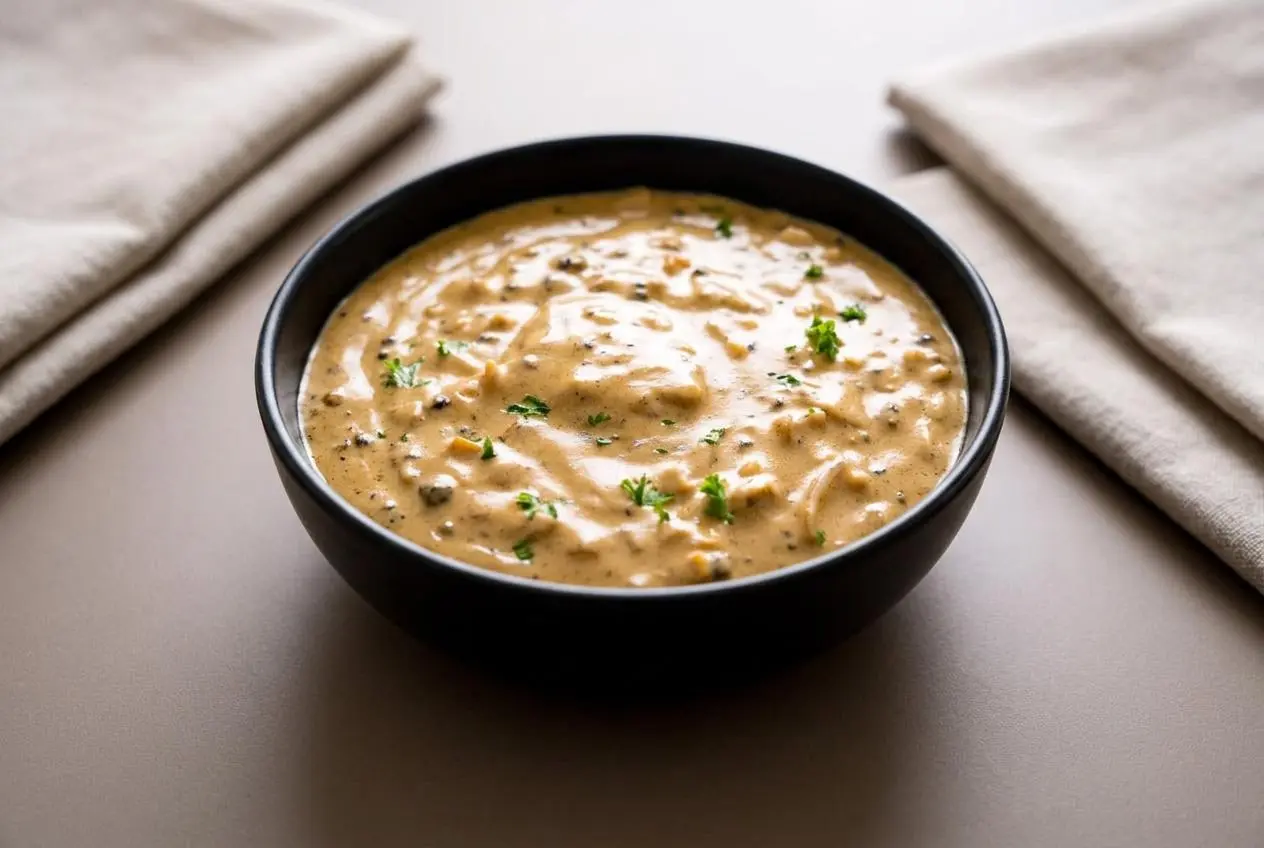
Chunky, Glossy Texture: This chimichurri sauce clings to meat and vegetables, staying loose and spoonable, not whipped into a paste like an overworked pesto.
Weeknight Versatility: If you love fresh, herb-forward meals like caprese pasta salad, you will appreciate how this sauce wakes up anything on the plate.
Ingredients and Substitutions

These are simple pantry and produce staples, but each one pulls its weight. The herbs bring freshness, the vinegar brings spark, and the oil ties everything together into a glossy green sauce.
Ingredients
- 1 cup tightly packed chopped parsley leaves
- 1 cup tightly packed chopped cilantro leaves
- 1/4 cup red wine vinegar
- 1/2 onion
- 5 cloves garlic
- 1 teaspoon coarse salt
- 1 teaspoon dried oregano
- 1 teaspoon hot pepper flakes
- 1 teaspoon freshly ground black pepper
- 1/2 cup extra-virgin olive oil
Ingredient Notes & Substitutions
Flat-leaf parsley: Flat-leaf parsley is the one I reach for because it stays tender and flavorful when chopped, while curly parsley can feel fibrous and reads more “decorative” than delicious.
Red wine vinegar: Red wine vinegar is classic for Argentine cuisine and gives the right winey tang, but apple cider vinegar can stand in when that is what the pantry gives you.
Cilantro: I use cilantro for a modern brightness that plays beautifully with grilled foods, but an “authentic Argentine” approach is typically parsley-forward with dried oregano leading the herbal backbone.
Extra-virgin olive oil: Use a good extra-virgin olive oil you actually like on bread, because its fruity bite becomes the foundation, and harsh oil will taste harsh in the finished sauce.
How to make chimichurri sauce
Bloom the dried herbs
- In a small bowl, stir together the 1 teaspoon dried oregano, 1 teaspoon hot pepper flakes, and 1/4 cup red wine vinegar.
- Let it sit for 10 minutes, and notice how the vinegar turns more fragrant and the dried herbs soften, this is where the flavor “wakes up” instead of staying dusty.
Chop the green base
- Add 1 cup tightly packed chopped parsley leaves, 1 cup tightly packed chopped cilantro leaves, 1/2 onion, 5 cloves garlic, 1 teaspoon coarse salt, and 1 teaspoon freshly ground black pepper to the food processor.
- Pulse just a few times, stopping while you still see distinct little flecks of herb and onion, because chimichurri should look rustic and juicy, not pureed.
Stream in the oil, then rest
- With short pulses, slowly pour in the 1/2 cup extra-virgin olive oil, and stop as soon as it looks evenly glossy and loose.
- Spoon it into a jar, cover, and refrigerate for about 2 hours, which lets the sharp bite of garlic and onion mellow into a more rounded, cohesive sauce.
Secrets for a Flawless Sauce

The dried herb maceration matters because vinegar starts breaking down the dried cell walls, pulling out essential oils that otherwise stay trapped. This is why that first 10 minutes can make the oregano smell bigger and more “alive” in the finished chimichurri sauce.
Over-processing bruises herbs, and bruised herbs go dull in both color and taste. If your parsley ever smells slightly metallic after blending, that is your cue to pulse less and keep your blades sharp.
A food processor is fast, but hand-chopping gives a more traditional Argentine texture, little shards of herbs suspended in oil instead of a green sludge. When I have time, I chop with a sharp chef’s knife, and the sauce stays brighter longer.
Chimichurri belongs at the asado table for a reason, and that tradition is part of the gold standard for Argentine cuisine. The point is contrast, fatty grilled meat meets sharp, herbal acidity.
Pro Tips & Troubleshooting
Pro Tips
- Pulse onion and garlic first with the herbs, then add oil later, so the aromatics mince cleanly without turning the oil into an emulsion.
- Serve it at room temperature, letting it sit out 20 minutes, so the extra virgin olive oil loosens and the aroma blooms again.
- If you want the most vibrant look, pulse in short bursts and scrape the bowl once, because continuous spinning heats and bruises the herbs.
- For a more “asado-style” feel, keep the texture visibly chunky, with little flecks that cling to steak and drip slowly, not pour like salad dressing.
Common Mistakes to Avoid
- Over-processing into a pesto-like paste, because chimichurri should be oily and spoonable, with texture you can see.
- Adding the extra-virgin olive oil too early at high speed, since oxidation can push the flavor bitter and dull the fresh herb notes.
- Fixing bitterness the wrong way, because a pinch more salt can help, and a tiny drop of honey can soften harsh edges without making it taste sweet.
- Skipping the resting time, because those 2 hours are when allicin from garlic calms down and the vinegar and oil finally taste like one sauce.
Serving & Storage

Serving Ideas
The classic move is churrasco, grilled flank steak, skirt steak, or picanha, then chimichurri on top right before serving. I also love it over crispy potatoes, where the oil sinks in and the herbs stay bright on the surface.
Roasted vegetables love this sauce, especially carrots, sweet potatoes, and hearty sides like brussels sprouts when you want something savory alongside the tang. The acidity cuts richness and keeps the whole plate feeling lively.
On busy days, chimichurri turns plain shredded chicken into something you would happily serve guests, tucked into bowls or piled onto toast. It is also fantastic drizzled over a crisp lettuce wrap burger when you want big flavor without heaviness.
For a not-so-secret restaurant move, a spoonful over crusted chicken hits that perfect contrast, crunchy, salty, and bright. The herbs and vinegar keep the bite from feeling too rich.
Storage & Make-Ahead
Store in an airtight glass jar for up to 7 days, and press the herbs down so the oil covers them, which helps prevent browning. The flavor actually gets better after the first day, when the vinegar and aromatics fully settle in.
Freezing works beautifully, pour into ice cube trays and freeze up to 3 months, then pop cubes into a bag. A cube melting over a hot steak or stirred into soup tastes like you planned ahead, even if you did not.
For food safety, raw garlic stored in oil must stay refrigerated, because room temperature storage is risky. Keeping the jar cold and using it within the week is the simple, sensible habit.
The Ultimate Flavor Enhancer
This chimichurri sauce is not just a condiment, it is a bright, garlicky, herbaceous jolt that makes grilled food taste finished. That 10-minute vinegar bloom is the quiet trick that takes it from good to truly professional.
Once you have the base down, you can nudge it your way, a little more heat, a little more vinegar, or a squeeze of citrus alongside the red wine vinegar. Keep it chunky, let it rest, and you will taste the difference with the first bite.

Chimichurri Sauce

Equipment
- Small bowl
- Food processor
- Glass jar
Ingredients
- 1 cup tightly packed chopped parsley leaves
- 1 cup tightly packed chopped cilantro leaves
- 1/4 cup red wine vinegar
- 1/2 onion
- 5 cloves garlic
- 1 teaspoon coarse salt
- 1 teaspoon dried oregano
- 1 teaspoon hot pepper flakes
- 1 teaspoon freshly ground black pepper
- 1/2 cup extra-virgin olive oil
Instructions
Bloom the dried herbs
- In a small bowl, stir together the 1 teaspoon dried oregano, 1 teaspoon hot pepper flakes, and 1/4 cup red wine vinegar.
- Let it sit for 10 minutes to allow the vinegar to become more fragrant and the dried herbs to soften.
Chop the green base
- Add 1 cup chopped parsley, 1 cup chopped cilantro, 1/2 onion, 5 cloves garlic, 1 teaspoon coarse salt, and 1 teaspoon freshly ground black pepper to the food processor.
- Pulse just a few times until the mixture is rustic and juicy, ensuring you still see distinct little flecks of herbs and onion rather than a puree.
Stream in the oil, then rest
- With short pulses, slowly pour in the 1/2 cup extra-virgin olive oil and stop immediately once the sauce looks evenly glossy and loose.
- Spoon the chimichurri into a jar, cover, and refrigerate for about 2 hours to let the sharp aromatics mellow and the flavors meld together.