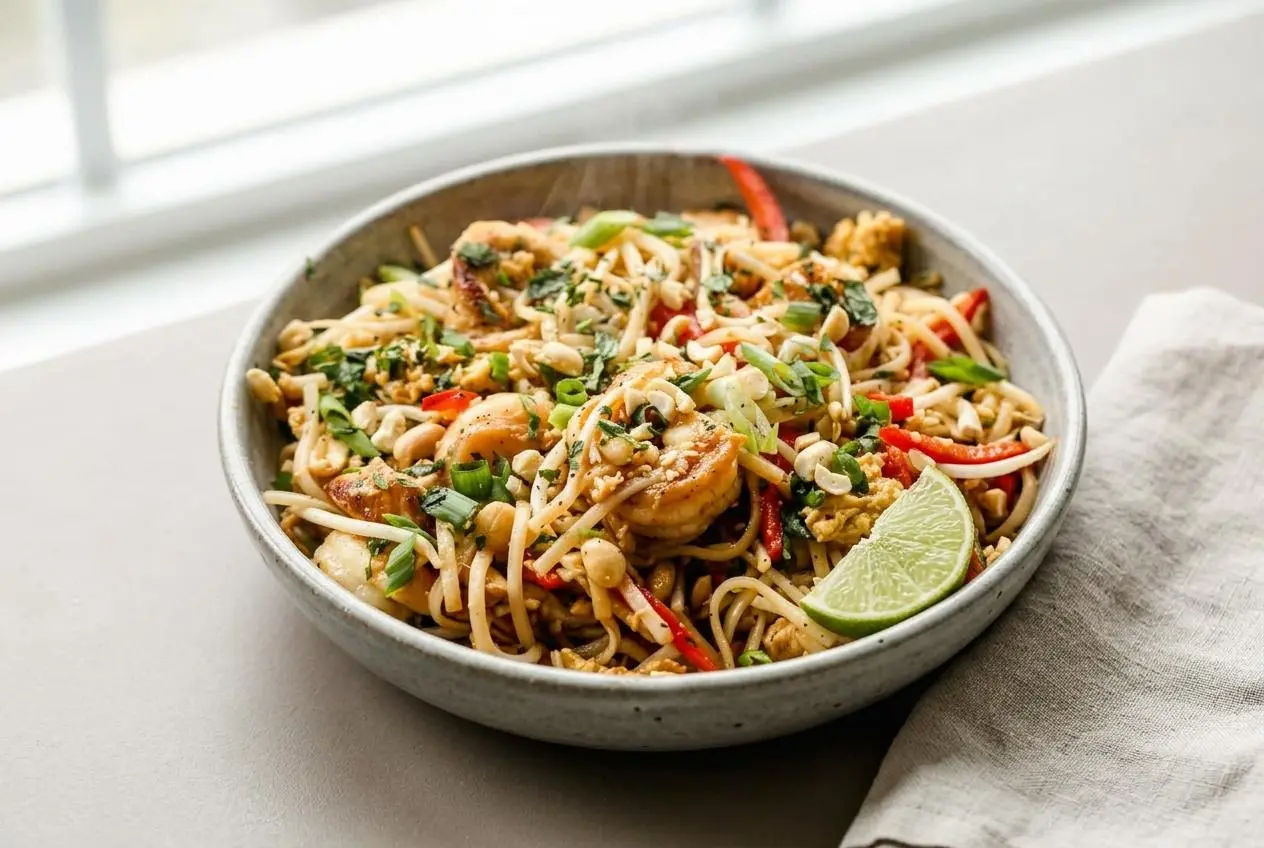
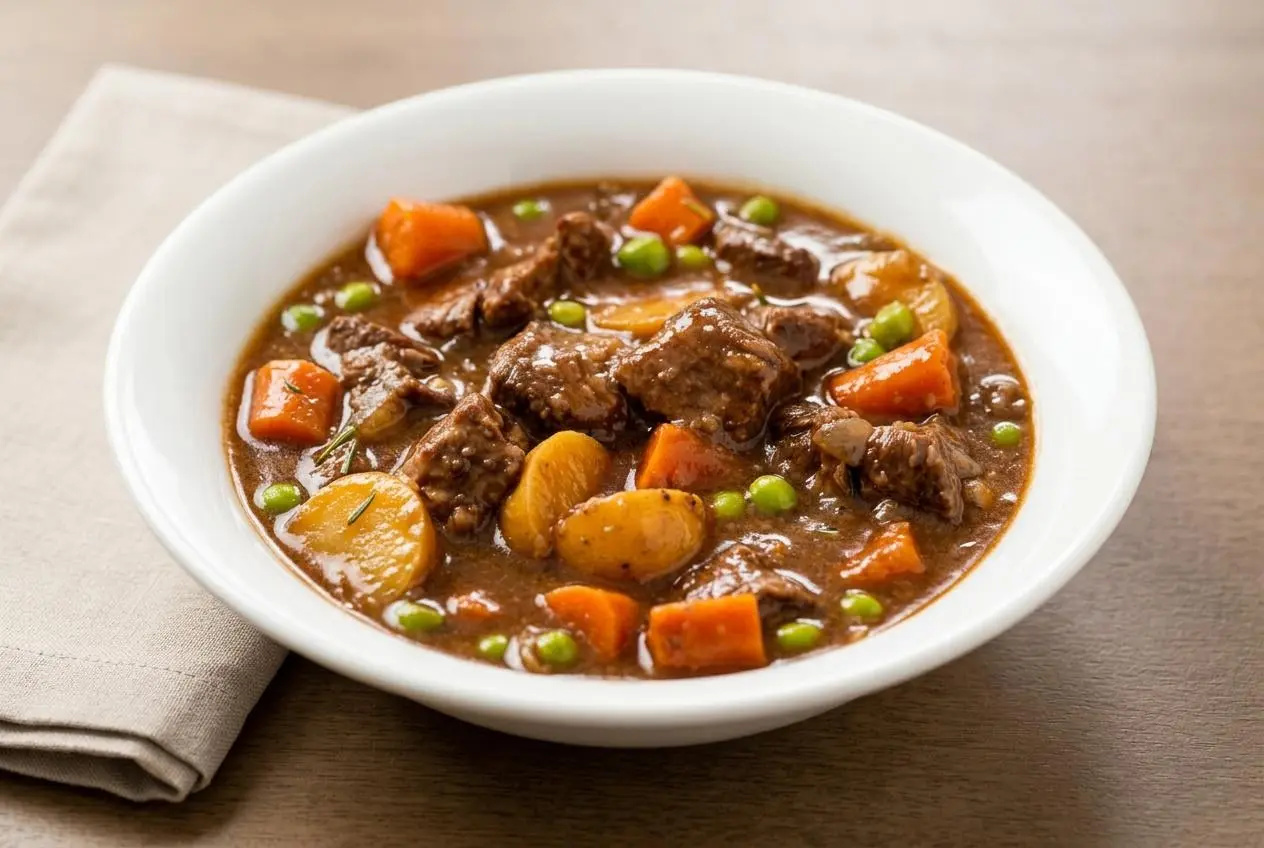
When the weather turns sharp and you want dinner to feel like a warm coat, a pot of beef noodle soup is my go-to. In my kitchen, this bowl is all about deep, savory comfort with a clean, aromatic finish, the kind that makes you slow down after the first sip.
This version leans Taiwanese in spirit, rich beef shank, wheat noodles, and that telltale perfume of star anise and Sichuan peppercorns. It is a weekend-worthy project, but the technique keeps it practical, with broth that tastes like it simmered all day.
Why You’ll Love This Recipe
Night-market depth at home: The broth lands savory and complex, with Doubanjiang heat and a gentle spice sachet aroma that feels restaurant-level without being fussy.
The “Char & Peel” secret: In my kitchen, charring onion and ginger until blackened, then peeling, creates an instant smoky backbone that mimics a much longer simmer.
Bright finish, not heavy: A small piece of dried tangerine peel lifts the top notes, so the beef richness tastes clean instead of greasy.
That gelatinous, lip-smacking body: Beef shank brings collagen to the party, so the broth feels silky and the meat turns truly fork-tender.
Ingredients and Substitutions

This ingredient list is built for a bold, clear broth, tender Beef Shank, and chewy Wheat Noodles. Keep the spice sachet intact, it is the quiet engine behind that signature aroma.
Ingredients
Ingredients:
- 3 pounds beef shank
- 2 tablespoons oil
- 2 inch piece ginger
- 6 cloves garlic
- 3 scallions
- 1 onion
- 1 tomato
- 4 dried chilies
- 1 tablespoon tomato paste
- 2 tablespoons spicy bean paste douban jiang
- 2 teaspoons sugar
- 1/2 cup soy sauce
- 1/2 cup Shaoxing wine
- 8 cups water
- 1 Chinese aromatic herb packet
- 32 ounces fresh wheat noodles
- 1 handful bok choy
- 1 bunch cilantro
- 1 bunch scallions
Spice Sachet:
- 4 star anise
- 1 Chinese cinnamon stick
- 3 bay leaves
- 1 tablespoon fennel seeds
- 1 tablespoon cumin seeds
- 1 teaspoon coriander seeds
- 2 tablespoons Sichuan peppercorns
- 1/4 teaspoon five spice powder
- 1/4 teaspoon black pepper
Ingredient Notes & Substitutions
Soy sauce (light vs dark): Light soy sauce is the salty backbone, it seasons the broth. Dark soy sauce is more about that deep mahogany color and a gentle molasses-like depth, so if you swap around, the soup can look pale or taste overly salty.
Shaoxing Wine: Dry sherry is the closest easy substitute for the same nutty warmth. If you avoid alcohol, use a non-alcoholic cooking “sherry-style” option, or simply skip it and lean on the spices, the broth will still be beautiful.
Beef Shank: Shank wins because it is loaded with connective tissue and Collagen, which melts into gelatin and gives that silky, slightly sticky mouthfeel. Lean cuts like eye of round can turn dry and stringy in a long braise.
Doubanjiang: Different brands vary wildly in salt and heat, so taste your broth near the end and adjust with a little hot water or sugar if it gets intense. The best doubanjiang smells fermented and savory, not just “chili-hot.”
Fresh wheat noodles: Fresh noodles give the right chew and bounce, but they punish you if overcooked. Treat them gently and cook them separately so the broth stays clear.
How to make beef noodle soup
Blanch for a clear broth
- Bring a pot of water to a full, rolling boil, enough to cover all the beef. Add the beef shank, let the water return to a boil, then keep it boiling for exactly 1 minute.
- Drain the beef in a colander and rinse it thoroughly with fresh water, rubbing off any gray foam. This quick blanch is what removes the “scum,” so your final broth tastes clean and stays clear instead of cloudy.
Char, sauté, and build the aromatic base
- Char the halved onion and ginger over an open flame or under a broiler until the skins are well blackened, then peel away the heavy burnt outer layer. What remains should smell smoky and sweet, not bitter.
- Set your Instant Pot to Sauté, add 2 tablespoons oil, then add the ginger, garlic, scallions, and onion in that order. Stir as the onion turns translucent and fragrant, with little caramelized edges starting to show.
- Add the tomato and dried chilies, letting the tomato soften until it smells jammy and the pot feels deeply aromatic.
Coat the beef and pressure cook, or simmer low and slow
- Add the blanched beef to the pot, then stir in the tomato paste, spicy bean paste douban jiang, sugar, soy sauce, and Shaoxing wine. Take a moment here, you want the beef slicked and stained red-brown, with a toasty, fermented aroma rising up.
- Pour in 8 cups water and add the spice packet, keeping the pot no more than 2/3 full for safety. Close the lid, set the vent to not venting, and cook for 100 minutes on the Meat/Stew setting, or simmer on the stovetop over low heat for 3 to 4 hours.
- As it cooks, the kitchen will smell savory, spicy, and deeply aromatic, with star anise sweetness and a peppery, almost citrusy lift from Sichuan Peppercorns.
Noodles, bok choy, and the final bowl
- When the timer ends, carefully release the pressure valve. Cook the noodles in a separate pot according to the package, then in the last minute or two, blanch the bok choy in the same water until just tender and bright green.
- Divide noodles and bok choy into bowls, ladle in the rich broth and beef, then finish with cilantro, scallions, and pickled mustard greens. The best bite has everything at once, chewy Wheat Noodles, beefy broth, and a crunchy, tangy hit on top.
Secrets for Perfection

The magic of the “Char & Peel” step is the Maillard Reaction, the same browning chemistry that makes seared steak taste deeper. When onion and ginger blacken, you create hundreds of new aroma compounds fast, adding smoky sweetness and complexity without simmering for 24 hours.
If you like precision, beef shank becomes truly fork-tender around 195°F to 205°F internally, that is the window where collagen fully relaxes into gelatin. That transformation is similar to what happens in slow-braised beef cheek meat, where patience turns tough connective tissue into something silky and yielding.
For a softer, rounder broth, I sometimes slip in a whole peeled apple or pear during the simmer. It quietly balances the saltiness of soy sauce and the punch of Doubanjiang, without making the soup taste “fruity.”
Pro Tips & Troubleshooting
Pro Tips
- Chill the beef in the broth overnight for cleaner, thinner slices, cold meat cuts neatly and looks restaurant-sharp.
- Cook noodles separately every time, starch in the pot will cloud and thicken the broth.
- Keep the simmer gentle on the stovetop, aggressive boiling can make the broth murky and the beef tougher.
- Food safety matters with big batches, the storage times for cooked leftovers guidance helps you plan confidently.
Common Mistakes to Avoid
- Skipping the blanch, the impurities you do not remove early will haunt the broth later.
- Cooking noodles directly in the soup, they drink the broth and turn mushy fast.
- Using a very lean cut and expecting tenderness, without collagen, it will taste dry instead of luscious.
- Letting aromatics steam instead of sauté, you want fragrant caramelization, not pale onions.
Serving & Storage

Serving Ideas
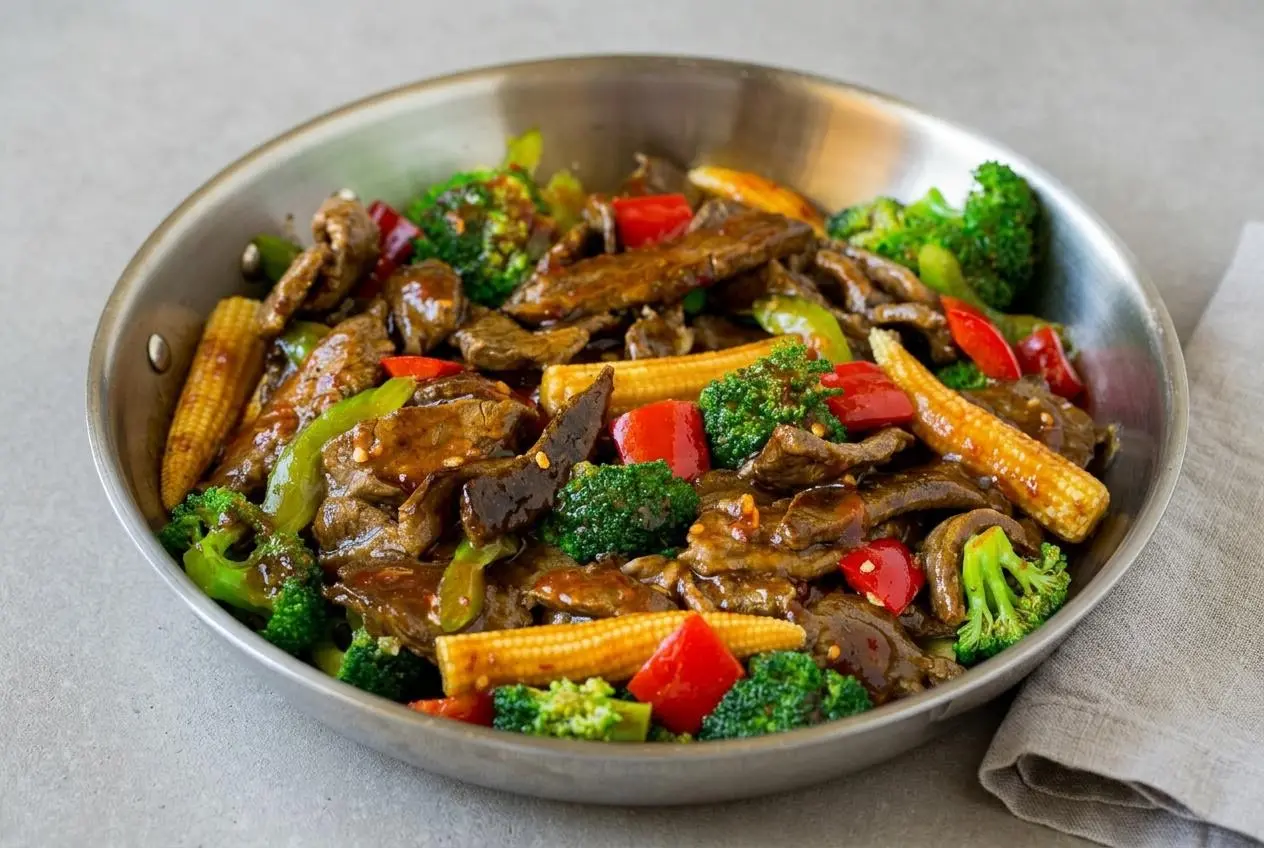
Suan Cai, Chinese pickled mustard greens, is not optional in spirit, it is the bright, acidic crunch that cuts the beef fat and wakes up the whole bowl. If you love the spicy side of this soup, the same bold heat shows up in kung pao beef, which fits nicely into a chili-forward dinner spread.
A side of Chinese scallion pancakes is classic, and a drizzle of chili oil never hurts. For a full takeout-style table, a plate of beef and broccoli makes the meal feel generous and familiar.
Storage & Reheating
Store broth and beef separately from noodles, and keep noodles in their own container. If noodles sit in the soup, they soak up liquid like a sponge and turn soft and swollen by the next day.
Cool the broth quickly before refrigerating, especially if you made a large pot, the guidance to cool food rapidly is a smart habit for safe storage. Once cold, refrigerate and skim any solidified fat if you prefer a lighter bowl.
Reheat the broth until steaming hot, then warm the beef in the broth for a few minutes so it stays moist. Freeze the broth and beef separately for up to 3 months, then cook fresh noodles when you are ready to eat.

Savory Taiwanese Beef Noodle Soup

Equipment
- Instant Pot or Pressure Cooker
- Large Pot for noodles
- Spice Sachet or Cheesecloth
Ingredients
Ingredients
- 3 pounds beef shank
- 2 tablespoons oil
- 2 inch piece ginger
- 6 cloves garlic
- 3 scallions
- 1 onion
- 1 tomato
- 4 dried chilies
- 1 tablespoon tomato paste
- 2 tablespoons spicy bean paste douban jiang
- 2 teaspoons sugar
- 1/2 cup soy sauce
- 1/2 cup Shaoxing wine
- 8 cups water
- 1 Chinese aromatic herb packet
- 32 ounces fresh wheat noodles
- 1 handful bok choy
- 1 bunch cilantro
- 1 bunch scallions
Spice Sachet
- 4 star anise
- 1 Chinese cinnamon stick
- 3 bay leaves
- 1 tablespoon fennel seeds
- 1 tablespoon cumin seeds
- 1 teaspoon coriander seeds
- 2 tablespoons Sichuan peppercorns
- 1/4 teaspoon five spice powder
- 1/4 teaspoon black pepper
Instructions
Blanch for a clear broth
- Bring a pot of water to a full, rolling boil. Add the beef shank and boil for exactly 1 minute to release impurities.
- Drain the beef in a colander and rinse thoroughly with fresh water to remove any gray foam and residue.
Char, sauté, and build the aromatic base
- Char the halved onion and ginger over an open flame or under a broiler until the skins are well blackened. Peel away the heavy burnt outer layer to reveal smoky, sweet flesh.
- Set the Instant Pot to Sauté, add oil, then sauté the ginger, garlic, scallions, and charred onion until caramelized and fragrant.
- Add the tomato and dried chilies, cooking until the tomato softens and creates a jammy, aromatic base.
Coat the beef and pressure cook
- Add the blanched beef to the pot. Stir in the tomato paste, douban jiang, sugar, soy sauce, and Shaoxing wine until the meat is stained red-brown and fragrant.
- Pour in 8 cups of water and add the spice sachet. Pressure cook on the Meat/Stew setting for 100 minutes, or simmer on the stovetop for 3 to 4 hours until the beef is fork-tender.
Noodles, bok choy, and the final bowl
- Release the pressure carefully. Cook fresh wheat noodles in a separate pot. In the final minute of noodle cooking, blanch the bok choy until bright green.
- Place noodles and bok choy into bowls, ladle over the rich broth and beef chunks, and garnish with cilantro, scallions, and pickled mustard greens.
Notes
Nutrition
Conclusion
This beef noodle soup is the kind of pot that makes the whole house smell like you really did something today. The charred aromatics and that little citrus lift give you depth without heaviness, and beef shank brings the silky, collagen-rich body that makes every spoonful cling just right.
If you feel like playing, add the apple or pear once, or tweak the Doubanjiang to your heat level. When shank is hard to find, a chuck-based approach like a classic beef stew recipe can scratch a similar comfort itch, just with a different texture.