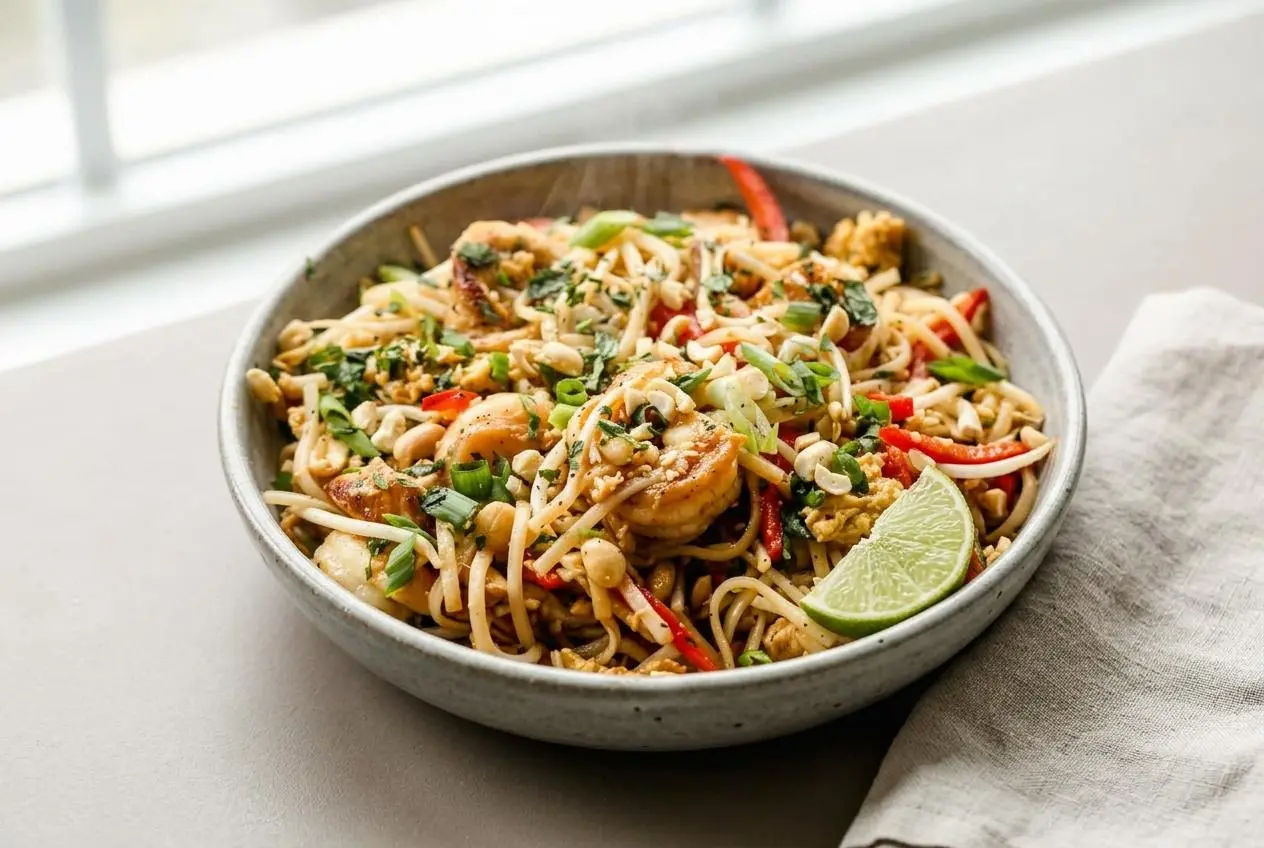
On weeknights when I want something fast but not boring, pineapple fried rice is my little escape, sweet, salty, and fragrant all at once. It tastes like a takeout favorite, but you control the heat, the crunch, and the juiciness so the rice stays fluffy.
This version leans into Thai-style aromatics and that signature caramelized edge from a hot pan. It’s perfect for using up day-old Jasmine rice, and it’s just as happy as a quick dinner as it is packed up for tomorrow’s lunch.
Why You’ll Love This Recipe
The flavor bridge: In my kitchen, curry-toasted salted cashews became the missing link between sweet pineapple and savory umami, and that warm yellow curry powder aroma makes the whole wok smell like a Thai street stall.
Aromatic complexity: A handful of Thai basil at the end gives that soft anise-like perfume that green onions alone cannot, and it makes the rice taste “finished” in a restaurant way.
Perfect texture: High heat plus moisture control nudges the Maillard reaction and caramelization, so the grains turn lightly bronzed and separate, not steamy and mushy.
Ingredients and Substitutions

Keep everything chopped and ready because stir-frying moves fast. These ingredients build a sweet-savory balance with aromatics up front, then pineapple and green onion for a bright finish.
Ingredients
- 2 tbsp vegetable oil
- 2 cloves garlic finely minced
- 1/2 onion finely chopped
- 1/2 red capsicum / bell peppers diced
- 1/2 cup peas frozen
- 3 cups day old jasmine rice cooked
- 1 1/2 cups pineapple pieces fresh or canned drained
- 1/2 cup green onion sliced
Sauce Option 1 (Base version, recommended):
- 1 tbsp oyster sauce
- 1 1/2 tbsp fish sauce
- 1/2 tsp sugar
Sauce Option 2:
- 1 tbsp oyster sauce
- 1 1/2 tbsp soy sauce light or all purpose
Sauce Option 3:
- 1 1/2 tbsp soy sauce
- 1 tbsp Thai Seasoning (Gold Mountain)
Ingredient Notes & Substitutions
Jasmine rice: It’s the gold standard for Thai fried rice because the fragrance stays floral even after high-heat stir-frying, and the grains stay tender but distinct when cold. If you only have plain white rice, it still works, just expect less aroma and be extra strict about chilling it.
Pineapple pieces: Fresh pineapple holds its shape and stays perky in the wok, while canned is convenient but must be drained well so you do not waterlog the pan. If the fruit looks glossy-wet, blot it briefly so the rice can fry instead of steam.
Sauce choices: Option 1 is my everyday “Thai-leaning” favorite because fish sauce brings deep umami with oyster sauce. Option 2 tastes more familiar if you like a soy-forward profile, and Option 3 is great when you want that Thai seasoning sauce character.
Protein add-ons: Shrimp, ham, or chicken all fit naturally here, and I like adding cooked protein right when the rice goes in so it warms without drying out. Cooked shredded chicken is especially handy because it heats fast and stays juicy.
Vegan or vegetarian swaps: For a plant-based version, swap fish sauce for tamari and use a mushroom-based “oyster-style” sauce. The goal is still salty umami, not sweetness.
How to make pineapple fried rice
Get the wok hot and wake up the aromatics
- Heat oil in a wok or large non stick skillet over high heat, and let it shimmer so you know the surface is truly hot.
- Add garlic and onion, then cook for 1 minute, stirring constantly until the garlic smells fragrant and the onion turns slightly translucent at the edges.
Sauté the vegetables without losing their bite
- Add capsicum and cook for 1 minute, keeping the heat high so it blisters slightly but stays crisp.
- Add peas and stir for 30 seconds, just until they turn bright and glossy.
Fry the rice, then finish with pineapple
- Add rice and Sauce ingredients of choice, then cook, stirring constantly, for 2 minutes until the grains stop looking “wet” and start to look lightly caramelised and toasty.
- Add pineapple and stir for just 30 seconds to warm it through, keeping it brief so the fruit stays chunky and does not leak too much juice.
Fresh finish
Stir through green onions then serve, and let the steam carry their sharp, fresh oniony bite into every forkful.
The Ultimate Secrets to Restaurant Quality Results

Mastering the Pineapple Boat
If you want that classic restaurant look, halve a pineapple lengthwise through the leaves and keep the shell intact. A simple guide to cut a pineapple helps you work safely and neatly.
Score the flesh in a grid, then carve it out, leaving a 1/2 inch border so the “boat” stays sturdy. Pat the inside dry before filling, because extra juice is the enemy of crisp rice.
Heat Management Science
Wok hei comes from intense heat and fast movement, not from long cooking.
I keep the pan ripping hot for the rice, but I stay alert with garlic because it can scorch fast. If you smell bitterness in the first minute, your heat is a touch too aggressive, and a quick stir and spread-out fixes it.
Moisture Control
The number one reason pineapple fried rice turns mushy is excess liquid, usually from warm rice or juicy fruit. Drain canned pineapple thoroughly, and never pour pineapple juice into the pan, because it stops browning and turns everything steamy.
When the sauce hits the cold Jasmine rice, watch for the shift from glossy to lightly bronzed. That’s caramelization doing its job, and it’s the point where each grain feels separate and springy.
Pro Tips & Troubleshooting

Pro Tips
- The chilled rice rule: Day-old, refrigerated rice fries cleanly because the surface dries, and the grains stay distinct instead of clumping.
- The rapid-dry method: If your rice is fresh, spread it on a baking sheet and freeze for 15-20 minutes so the outside dries fast.
- High-smoke point oils: Vegetable, canola, or peanut oil handle the heat needed for stir-frying and wok hei.
- Jasmine rice quality: The fragrance and texture profiles explain why Jasmine behaves so well.
Common Mistakes to Avoid
- Crowding the pan: Too much in the skillet drops the temperature, so the rice steams instead of frying. The same high-heat lesson shows up in steak fajitas, where a crowded pan kills browning.
- Using warm rice: Warm grains release steam and stick together, and no amount of stirring will bring back that fluffy texture.
- Overcooking the fruit: Pineapple needs only 30 seconds, longer than that and it collapses and leaks juice.
Serving & Storage
Serving Ideas
I love serving this piled high with curry-toasted salted cashews for crunch, plus cilantro and a squeeze of lime to cut the richness. A tropical dessert like pineapple coconut cake rounds out the menu without fighting the Thai flavors.
If you want a fuller spread, pair it with satay-style chicken or something crisp and acidic like green papaya salad. The contrast makes the sweet pineapple pop even more.
Storage & Reheating
Cool leftover rice quickly and refrigerate, because cooked rice can grow bacteria if it sits warm too long. I portion it into shallow containers so it chills fast and stays safe.
For the best texture, reheat in a hot skillet with a teaspoon of oil or a tiny splash of water, then toss until the grains loosen and smell toasty again. The microwave works in a pinch, but it tends to make the rice a little rubbery and the pineapple too soft.

Authentic Thai Pineapple Fried Rice

Equipment
- Wok or large non-stick skillet
- Spatula
Ingredients
- 2 tbsp vegetable oil
- 2 cloves garlic finely minced
- 1/2 onion finely chopped
- 1/2 red capsicum / bell peppers diced
- 1/2 cup peas frozen
- 3 cups day old jasmine rice cooked
- 1 1/2 cups pineapple pieces fresh or canned drained
- 1/2 cup green onion sliced
Sauce Option 1 (Base version, recommended):
- 1 tbsp oyster sauce
- 1 1/2 tbsp fish sauce
- 1/2 tsp sugar
Sauce Option 2:
- 1 tbsp oyster sauce
- 1 1/2 tbsp soy sauce light or all purpose
Sauce Option 3:
- 1 1/2 tbsp soy sauce
- 1 tbsp Thai Seasoning (Gold Mountain)
Instructions
Get the wok hot and wake up the aromatics
- Heat oil in a wok or large non-stick skillet over high heat until it shimmers to ensure the surface is truly hot.
- Add the minced garlic and chopped onion, then cook for 1 minute while stirring constantly until the garlic is fragrant and the onion edges turn translucent.
Sauté the vegetables without losing their bite
- Add the diced capsicum and cook for 1 minute, keeping the heat high so it blisters slightly while remaining crisp.
- Add the frozen peas and stir for 30 seconds until they become bright and glossy.
Fry the rice, then finish with pineapple
- Add the cold Jasmine rice and your selected sauce option, then stir-fry constantly for 2 minutes until the grains look toasted and lightly caramelized.
- Add the pineapple pieces and stir for just 30 seconds to warm them through, ensuring they stay chunky and do not release too much juice.
Fresh finish
- Stir through the sliced green onions and serve immediately while the steam carries the fresh aromatic bite.
Notes
Nutrition
Conclusion
Pineapple fried rice is all about heat, speed, and knowing when to stop, especially with the fruit. Keep your Jasmine rice cold, let the sauce caramelize, then finish bright with green onion, Thai basil, and those curry-toasted cashews.
Once you’ve nailed the texture, it’s easy to riff with shrimp, ham, or a vegan sauce swap, and it still tastes like a tropical celebration on a plate.