Skip to content
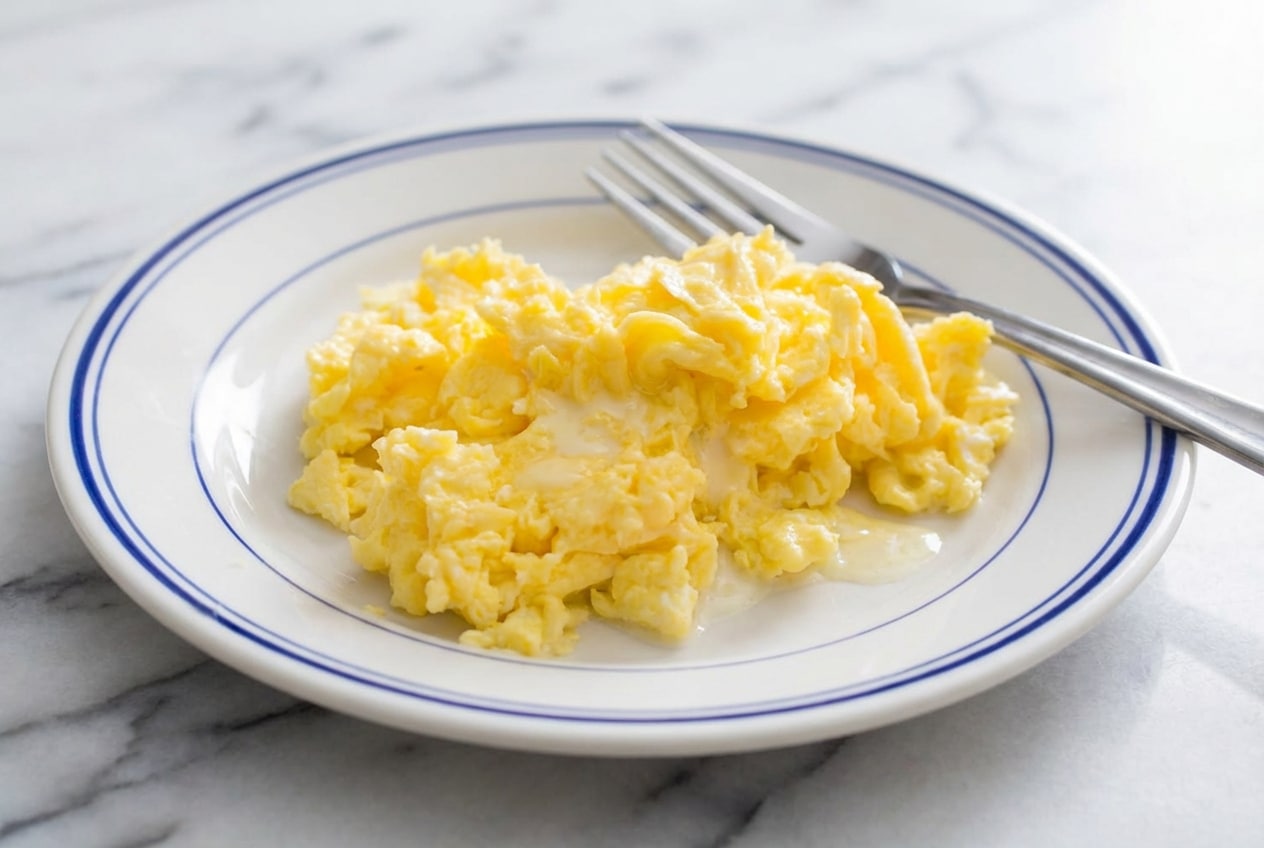
In my kitchen, scrambled eggs are the quickest way to turn a sleepy morning into something that feels cared for. I have made them every which way, from diner-style piles to delicate folds, and the difference always comes down to heat and timing, not “more whisking” or fancy add-ins.
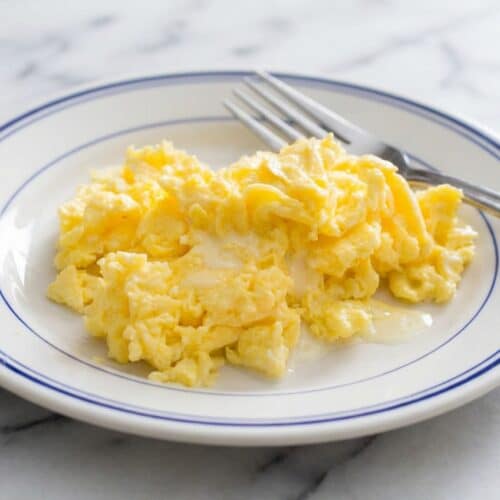
These scrambled eggs are for anyone who wants soft, creamy curds without the rubbery regret. The little chef secret here is a cold-butter finish that makes the eggs taste buttery, look glossy, and stay tender right to the last bite.
Why You Will Love This Recipe
The cold-butter “thermal brake”: In my kitchen, dropping in stone-cold butter near the end is the cleanest way to slow carryover cooking and lock in a glossy finish through emulsification.
Soft, pillowy curds: Gentle agitation with a silicone spatula encourages beautiful curd formation, the kind that stays creamy instead of tightening up as proteins coagulate.
Reliable timing, no guessing: With a non-stick skillet and a steady medium-high heat, you get consistent results, the eggs set quickly, but never dry out.
Ingredients and Substitutions
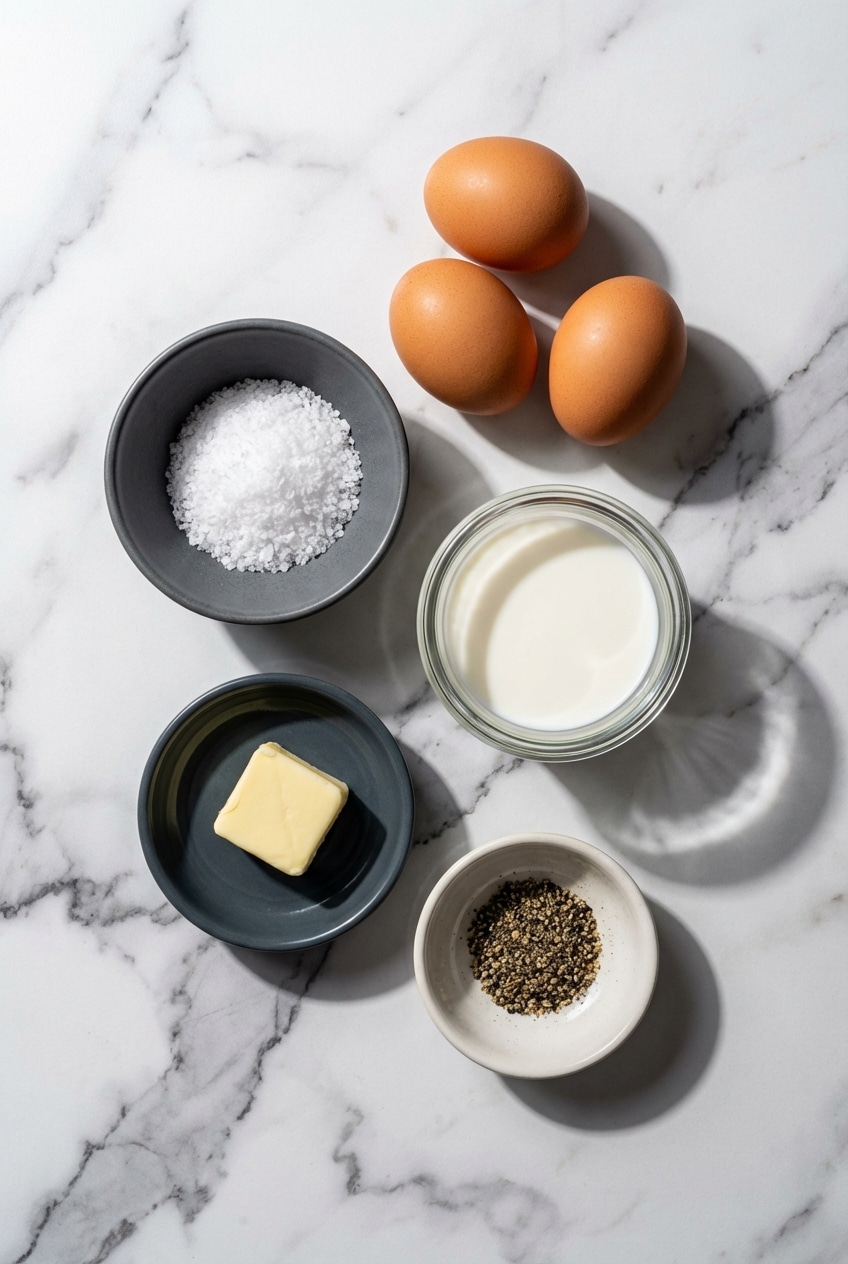
This is a short list on purpose, eggs, salt, milk, butter, and pepper. When each one is treated right, the texture turns velvety and the flavor stays clean and rich.
Ingredients
- 3 large eggs
- 1/8 teaspoon kosher salt
- 2 tablespoons milk
- 1/2 tablespoon unsalted butter
- Freshly ground black or white pepper
Ingredient Notes & Substitutions
3 large eggs: Fresh eggs give you brighter color and a sweeter, cleaner egg flavor, and they tend to set into more tender curds.
2 tablespoons milk: Milk keeps the scramble light and soft, but if you want a richer, brunchy feel, heavy cream can stand in. A spoonful of crème fraîche at the very end gives a gentle French-style tang without making the eggs taste sour.
1/8 teaspoon kosher salt: Kosher salt dissolves cleanly and seasons evenly, and I like how it plays with the texture when it sits briefly in the eggs before cooking.
1/2 tablespoon unsalted butter: Unsalted butter lets you control seasoning, and the cold-butter finish helps stop the heat and create a silky emulsion.
Freshly ground black or white pepper: White pepper is quieter and lets the egg flavor shine, black pepper is bolder and classic on toast.
How to make scrambled eggs
Mix the eggs
- Crack the eggs into a small bowl, then add the kosher salt and milk. Beat just until the whites and yolks disappear into one smooth, sunny mixture, not foamy, just cohesive.
- Let the bowl sit for 15 minutes if you have it. In that short rest, the salt dissolves and helps the eggs stay more tender once the heat hits.
Heat the skillet
Set a nonstick skillet over medium-high heat, then add the butter. You want it foamy and lively, sizzling with a buttery aroma, but not browning, because browning pushes you toward the Maillard reaction and away from gentle eggs.
Scramble into creamy curds
- Pour in the egg mixture and immediately start moving it with a silicone spatula, sweeping the bottom and the sides so nothing overcooks in place.
- Keep the motion gentle but constant as curds form. After about 3 minutes, the eggs should look mostly set with big, soft folds and a slight sheen, not wet puddles, and not dry crumbles.
- Pull the pan off the heat when the eggs look just done, then season with freshly ground pepper. Serve right away while the curds are still relaxed and custardy.
Secrets for Egg Perfection
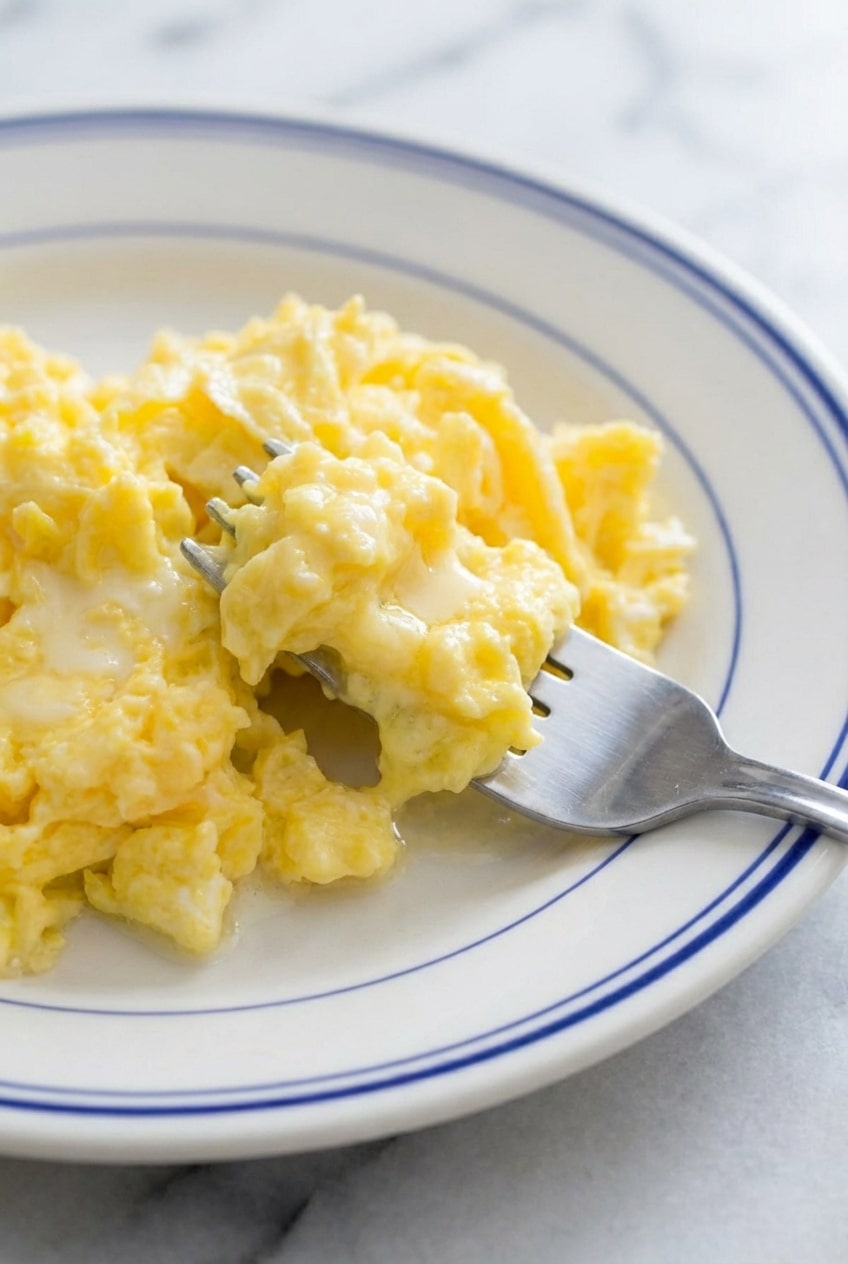
The whole game is protein coagulation, once egg proteins tighten too far, they squeeze out moisture and turn bouncy. A quick, trustworthy primer on the science of protein coagulation helps explain why lower stress and better timing win.
I rely on heat cues more than bravado. If the butter foams instantly without browning, your pan is in a sweet spot for creamy curd formation.
For the “windowpane” check, drag your spatula through the eggs. If the trail slowly fills with creamy egg, not watery liquid, you are right where you want to be.
When I cook a big batch, 10 eggs or more, I lower the heat slightly and use a wider pan. More volume holds heat longer, so you have to stir more steadily and pull the pan earlier to avoid syneresis, that watery “weeping” on the plate.
Pro Tips & Troubleshooting
Pro Tips
- Salt the eggs 15 minutes ahead when you can, it helps them stay juicy.
- Use a silicone spatula to sweep the whole skillet, especially the edges.
- Stop cooking a touch early, carryover cooking finishes the last bit gently.
- Keep the butter foamy, not browned, for a clean, sweet egg flavor.
Common Mistakes to Avoid
- Over-whisking until frothy can push you toward drier, airy eggs.
- Cooking too hot seizes the curds fast, then they turn rubbery.
- Using a worn non-stick skillet causes sticking and torn, broken curds.
- Cast iron can tint eggs gray-green and dull their flavor.
Serving & Storage
Serving Ideas
A sprinkle of minced chives or parsley lifts the richness and makes the plate look alive. On busy mornings, I spoon these eggs into green chili burritos for a filling that stays creamy instead of crumbly.
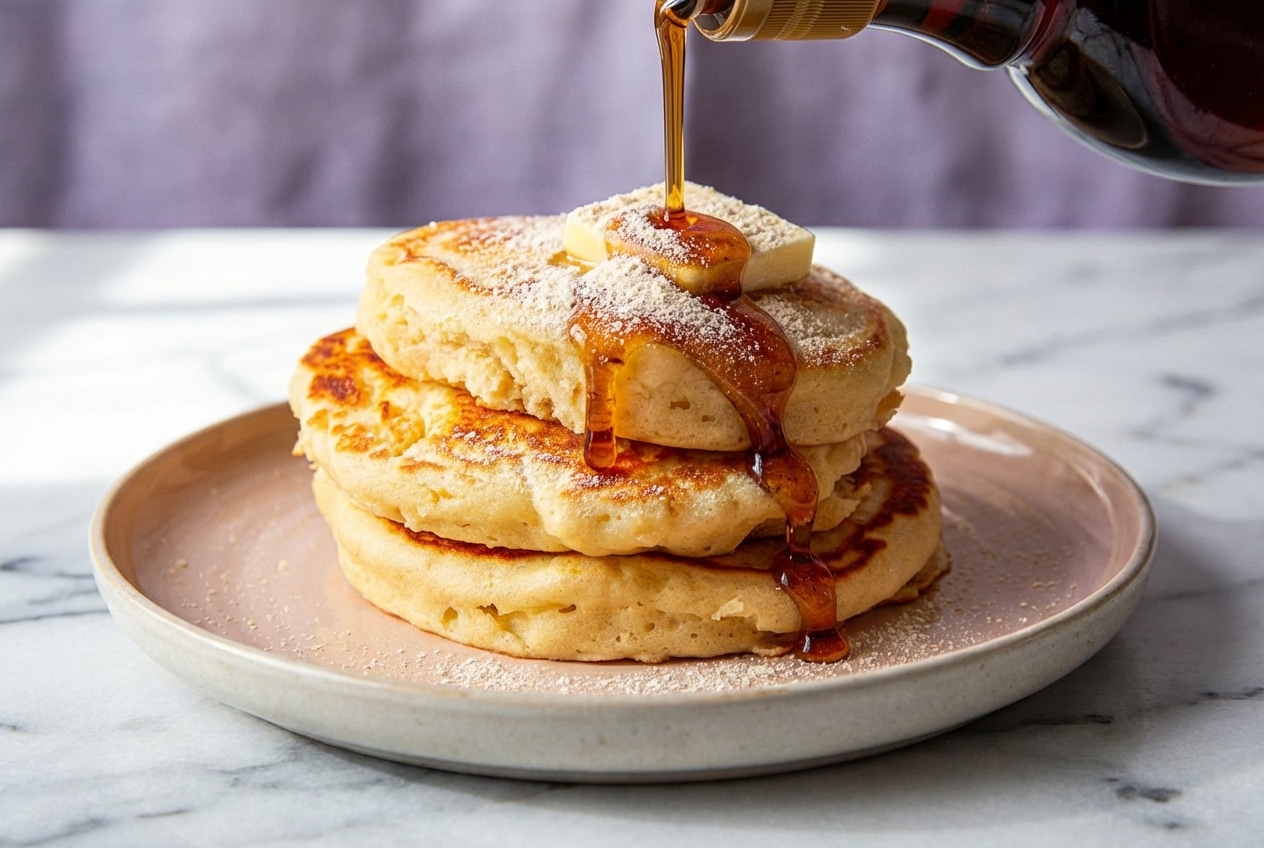
Garlic toast is a small move with big payoff, warm sourdough rubbed with a cut clove gives just enough bite. A weekend spread feels complete with fluffy pancakes on the side, especially when the eggs are kept softly set.
If you like a little luxury, finish with chili crisp or a few dots of goat cheese. The heat and tang play nicely with buttery curds.
Storage and Make-Ahead
Scrambled eggs are happiest right off the pan, when the curds are still tender. If you need to save them, cool quickly and store airtight in the fridge for up to 2 days.
Reheat gently over low heat with a teaspoon of water or milk, stirring slowly. High heat during reheating will tighten the proteins and bring back that dry texture.
Perfect Creamy Scrambled Eggs

Equipment
- Nonstick skillet
- Silicone spatula
- Small bowl
Ingredients
- 3 large eggs
- 1/8 teaspoon kosher salt
- 2 tablespoons milk
- 1/2 tablespoon unsalted butter
- Freshly ground black or white pepper
Instructions
Mix the eggs
- Crack the eggs into a small bowl, then add the kosher salt and milk. Beat just until the whites and yolks disappear into one smooth, sunny mixture that is cohesive but not foamy.
- Let the egg mixture sit for 15 minutes. This allows the salt to dissolve and helps the eggs stay tender during cooking.
Heat the skillet
- Set a nonstick skillet over medium-high heat and add the butter. Wait for it to become foamy and lively without browning.
Scramble into creamy curds
- Pour in the egg mixture and immediately move it with a silicone spatula, sweeping the bottom and sides constantly.
- Continue gentle constant motion for about 3 minutes until the eggs are mostly set with big, soft folds and a slight sheen.
- Pull the pan off the heat just before they look fully done. Season with freshly ground pepper and serve immediately.
Notes
Nutrition
Conclusion
Once you get the feel for heat, stirring, and that buttery finish, scrambled eggs stop being a gamble and start being a little morning luxury. Keep the curds soft, pull the pan early, and let the final texture stay creamy on the plate.
When you want the breakfast to feel extra special, a mug of French hot chocolate turns it into a full-on cafe moment at home.