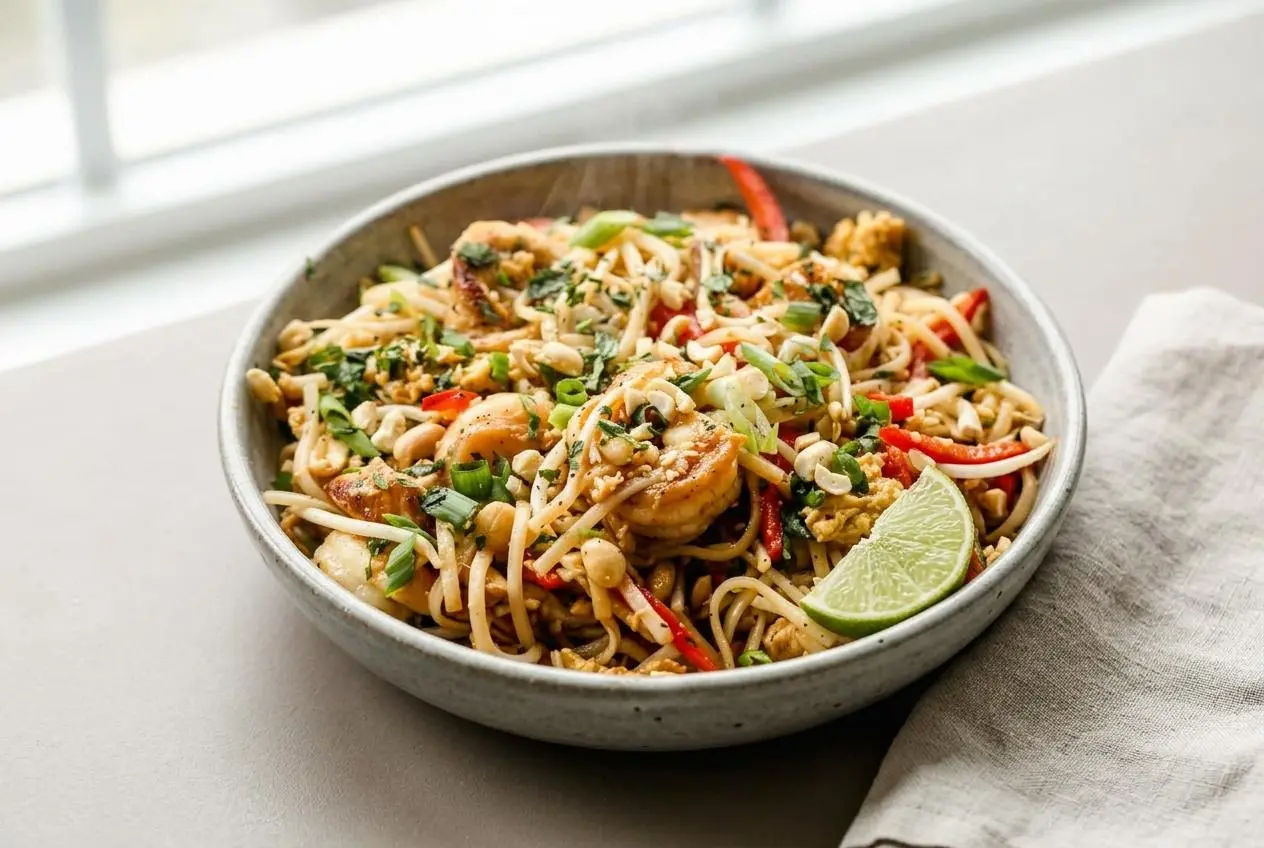
Any time I’m craving that smoky, glossy noodle stir-fry that tastes like a real Chinese restaurant, I reach for this chow mein recipe. It’s fast, punchy, and built for home kitchens where the burner isn’t blasting like a wok station.
The big upgrade is not just the sauce, it’s a pro noodle technique that keeps everything springy instead of soft and gummy. If you want takeout-style flavor with crisp-tender veggies and tender chicken, this one hits the mark in about 20 minutes.
Why You’ll Love This Recipe (The Double-Sear Method)
Real wok-style aroma: I use a quick double-sear to coax that nutty, smoky edge you usually only get from a ripping-hot wok.
The Secret Double-Sear Noodle Method: Searing drained egg noodles with sesame oil triggers the Maillard reaction, adding toasty flavor and a lightly sealed surface.
No more soggy noodles: That quick sear creates a structural barrier, so the sauce clings without soaking in and turning everything gummy.
Quick, repeatable, weeknight-proof: Once you learn the timing, the stir-frying technique becomes automatic, and you can get consistent results even on a standard US stove.
Ingredients and Substitutions

This list is short but purposeful, a salty-savory sauce, tender chicken, and high-volume vegetables. When everything hits the pan fast, you get glossy noodles, crisp bean sprouts, and that restaurant-style finish.
Ingredients
- 200g /6 oz chicken breast or thigh fillets, thinly sliced
- 4 cups green cabbage, finely shredded
- 1 1/2 tbsp peanut oil (or other cooking oil)
- 2 cloves garlic, finely chopped
- 200g /6 oz chow mein noodles
- 1 carrot, julienned
- 1 1/2 cups bean sprouts
- 3 green onions, cut into 5cm/2” pieces
- 1/4 cup (65 ml) water
Chow Mein Sauce
- 2 tsp cornflour / cornstarch
- 1 1/2 tbsp soy sauce, all purpose or light
- 1 1/2 tbsp oyster sauce (sub Hoisin)
- 1 1/2 tbsp Chinese cooking wine OR Mirin
- 2 tsp sugar (reduce to 1 tsp if using Mirin)
- 1/2 tsp sesame oil
- White pepper (sub black)
Ingredient Notes & Substitutions
Chow mein noodles: The best choice is thin egg noodles labeled chow mein or Hong Kong-style. If you cannot find them, dry ramen works surprisingly well, just discard the seasoning and cook only to loosen.
Chinese cooking wine (Shaoxing wine): This is the missing link for that “why does takeout taste deeper” flavor, because it adds complexity that soy sauce alone cannot. Mirin is a good swap with a slightly sweeter profile, and dry sherry is also a classic substitute.
Oyster sauce: Oyster sauce brings savory depth and a glossy finish, and it is a big part of the classic chow mein sauce profile. Hoisin will work in a pinch, but it will read a bit sweeter and more aromatic.
Vegetable swaps: Bok choy is a very authentic add, and celery is great for extra crunch. Keep the total veg volume similar, so the pan stays hot and the noodles fry instead of steam.
How to Make chow mein recipe
Mix the sauce and velvet the chicken
- Stir the cornflour / cornstarch and soy sauce together first until smooth, then mix in the oyster sauce, Chinese cooking wine OR Mirin, sugar, sesame oil, and white pepper.
- Pour 1 tbsp of the sauce over the sliced chicken, mix well to coat, then set aside for 10 minutes so the velveting chicken effect can tenderize the meat.
Prep the noodles, then double-sear for char and bounce
- Prepare the noodles according to the packet instructions, mine says soak in boiled water for 1 minute, then drain.
- Rinse briefly in cold water to stop carryover cooking, then drain very well.
- Pat the noodles dry until they feel almost “bone-dry,” then quickly sear them in a very hot wok or pan with a little sesame oil until you see light char marks, about 2 minutes total, tossing so they don’t stick.
High-heat stir-fry and final toss
- Heat oil in a wok or large fry pan over high heat until it shimmers.
- Add garlic and stir-fry for 10 seconds or until it turns golden, then keep it moving so it does not burn.
- Add chicken and stir-fry until the surface gets a tinge of browning but inside is still raw, about 1 minute.
- Add the cabbage, carrot, and the white pieces of shallots, then stir-fry for 1 1/2 minutes until the cabbage is mostly wilted.
- Add the noodles, remaining sauce, and water. Stir-fry for 1 minute, tossing constantly until the sauce turns glossy and clings.
- Add bean sprouts and remaining shallots/scallions, then toss for 30 seconds so the sprouts stay crisp-tender.
- Remove from heat and serve immediately.
Mastering Wok Hei at Home (Gap-Filling)

Restaurant wok hei is mostly about sustained high heat, so I treat my home pan like a heat battery. A cast-iron skillet holds temperature well, and cooking in small batches prevents the pan from cooling and turning your stir-fry into a steam-fry.
Noodle hydration is the sneaky texture killer, because wet noodles steam the moment they hit oil. I look for noodles that feel dry to the touch before searing, and I wait for a loud sizzle, because that sound signals frying, not simmering.
If sodium content is a concern, low-sodium soy sauce is the easiest adjustment. I also lean on aromatics like extra white pepper and a touch more garlic to keep the flavor feeling “full” without relying on salt alone.
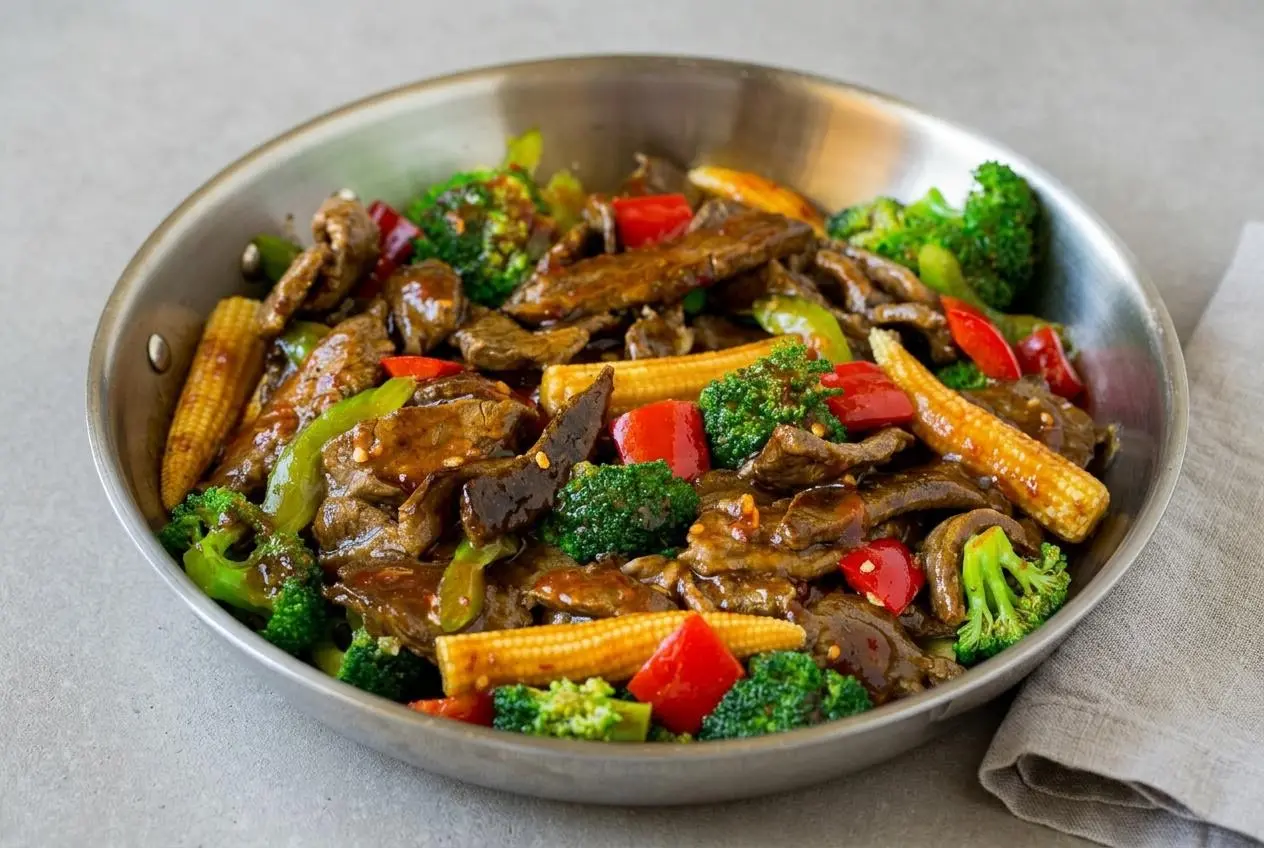
The same high-heat rhythm shows up in other stir-fries, and it is exactly what gives dishes like moo-shu beef their signature seared edge. Once you nail heat control here, many wok recipes become dramatically easier.
Pro Tips & Troubleshooting
Pro Tips
- Rinse noodles in cold water right after cooking to stop them turning gummy.
- Finely chop the garlic with a knife, because pressed garlic burns faster.
- Listen for the sizzle, if the pan goes quiet, it is steaming.
- Use up leftover shredded cabbage in cabbage and eggs, it cooks in minutes. It also keeps the prep you already did from going to waste.
Common Mistakes to Avoid
- Crowding the pan, too many ingredients at once release moisture and soften the noodles.
- Overcooking bean sprouts, they should stay translucent and crunchy, 30 seconds is enough.
- Skipping white pepper, that earthy heat is a key “takeout” signature.
- Not drying the noodles before searing, wet noodles cannot brown properly.
Serving & Storage

Serving Ideas
I love serving this piled high with extra scallion greens and a drizzle of chili crisp or Sriracha. Toasted sesame seeds are optional, but they make the sesame oil aroma pop.
A full takeout-style spread is easy with a veggie-forward side, and beef and broccoli fits perfectly. The textures balance well, saucy broccoli next to springy noodles.
Egg rolls and hot and sour soup are classic partners, especially when you want a full dinner table vibe instead of a solo bowl. If you like heat, keep chili crisp on the table so everyone can customize.
Storage and Reheating
Store leftovers in an airtight container for up to 3 days. Avoid freezing, because egg noodles tend to lose their bounce and turn mealy.
For reheating, I use the water splash trick, a small splash of water in a hot pan loosens clumps and revives the sauce. Toss for a minute or two until hot, and stop as soon as the noodles relax to avoid overcooking.

Easy Chow Mein Recipe

Equipment
- Wok or large fry pan
- Mixing Bowl
- Colander
Ingredients
- 200 g 200g /6 oz chicken breast or thigh fillets , thinly sliced /6 oz; thinly sliced
- 4 cups green cabbage , finely shredded finely shredded
- 1 1/2 tbsp peanut oil (or other cooking oil) or other cooking oil
- 2 cloves garlic , finely chopped finely chopped
- 200 g chow mein noodles /6 oz
- 1 carrot , julienned julienned
- 1 1/2 cups bean sprouts
- 3 green onions , cut into 5cm/2” pieces cut into 5cm/2” pieces
- 1/4 cup water (65 ml)
- 2 tsp cornflour / cornstarch
- 1 1/2 tbsp soy sauce , all purpose or light all purpose or light
- 1 1/2 tbsp oyster sauce (sub Hoisin) sub Hoisin
- 1 1/2 tbsp Chinese cooking wine OR Mirin OR Mirin
- 2 tsp sugar (reduce to 1 tsp if using Mirin) reduce to 1 tsp if using Mirin
- 1/2 tsp sesame oil
- White pepper (sub black) sub black
Instructions
Mix the sauce and velvet the chicken
- Stir the cornflour / cornstarch and soy sauce together first until smooth, then mix in the oyster sauce, Chinese cooking wine OR Mirin, sugar, sesame oil, and white pepper.
- Pour 1 tbsp of the sauce over the sliced chicken, mix well to coat, then set aside for 10 minutes.
Prep the noodles, then double-sear for char and bounce
- Prepare the noodles according to the packet instructions (example: soak in boiled water for 1 minute), then drain.
- Rinse briefly in cold water to stop carryover cooking, then drain very well.
- Pat the noodles dry until they feel almost “bone-dry,” then quickly sear them in a very hot wok or pan with a little sesame oil until you see light char marks, about 2 minutes total, tossing so they don’t stick.
High-heat stir-fry and final toss
- Heat oil in a wok or large fry pan over high heat until it shimmers.
- Add garlic and stir-fry for 10 seconds or until it turns golden, then keep it moving so it does not burn.
- Add chicken and stir-fry until the surface gets a tinge of browning but inside is still raw, about 1 minute.
- Add the cabbage, carrot, and the white pieces of shallots, then stir-fry for 1 1/2 minutes until the cabbage is mostly wilted.
- Add the noodles, remaining sauce, and water. Stir-fry for 1 minute, tossing constantly until the sauce turns glossy and clings.
- Add bean sprouts and remaining shallots/scallions, then toss for 30 seconds so the sprouts stay crisp-tender.
- Remove from heat and serve immediately.
Notes
Nutrition
Conclusion
The difference-maker in this chow mein recipe is the double-sear, because it builds smoky flavor and protects the noodles from turning soggy. With a hot pan, quick timing, and that final 30-second bean sprout toss, you can get seriously close to your favorite takeout spot.
If you nail a great wok hei-style sear at home, I want to hear about it in the comments. Small tweaks like bok choy, celery, or extra white pepper make it feel like your signature version.
FAQ
What is the difference between Chow Mein and Lo Mein?
Chow mein is cooked with stir-frying as the main event, so the noodles get seared and can be lightly crisp in spots. Lo mein is typically tossed with sauce and toppings, and it stays softer and saucier.
How can I make my chicken extra tender like Chinese restaurants?
That texture comes from velveting chicken, which here is started by coating the sliced chicken with 1 tbsp of sauce that includes cornflour / cornstarch. Letting it sit for 10 minutes helps lock in moisture during the high-heat stir-fry.
What are the best substitutes for Chinese cooking wine (Shaoxing wine)?
Mirin is the simplest substitute and adds mild sweetness, which is why the sugar is reduced if you use it. Dry sherry is another good option when you want a closer savory depth.
Can I use spaghetti instead of chow mein noodles?
Yes, in a pinch, spaghetti can work if you boil it with a small pinch of baking soda to mimic the alkaline bite of egg noodles. Drain very well, then follow the same dry-and-sear approach so it does not turn soft.
How do I stop my chow mein from becoming soggy?
The two big fixes are bone-dry noodles and high heat. Drain and pat the noodles dry, sear them before adding sauce, and avoid crowding the pan so moisture evaporates quickly.
Is Chow Mein healthy or high in calories?
It depends on portion size and how much oil and sauce you use, but this version is packed with cabbage, carrots, and bean sprouts for volume. If you want it lighter, use low-sodium soy sauce and keep the stir-fry moving so you do not need extra oil.