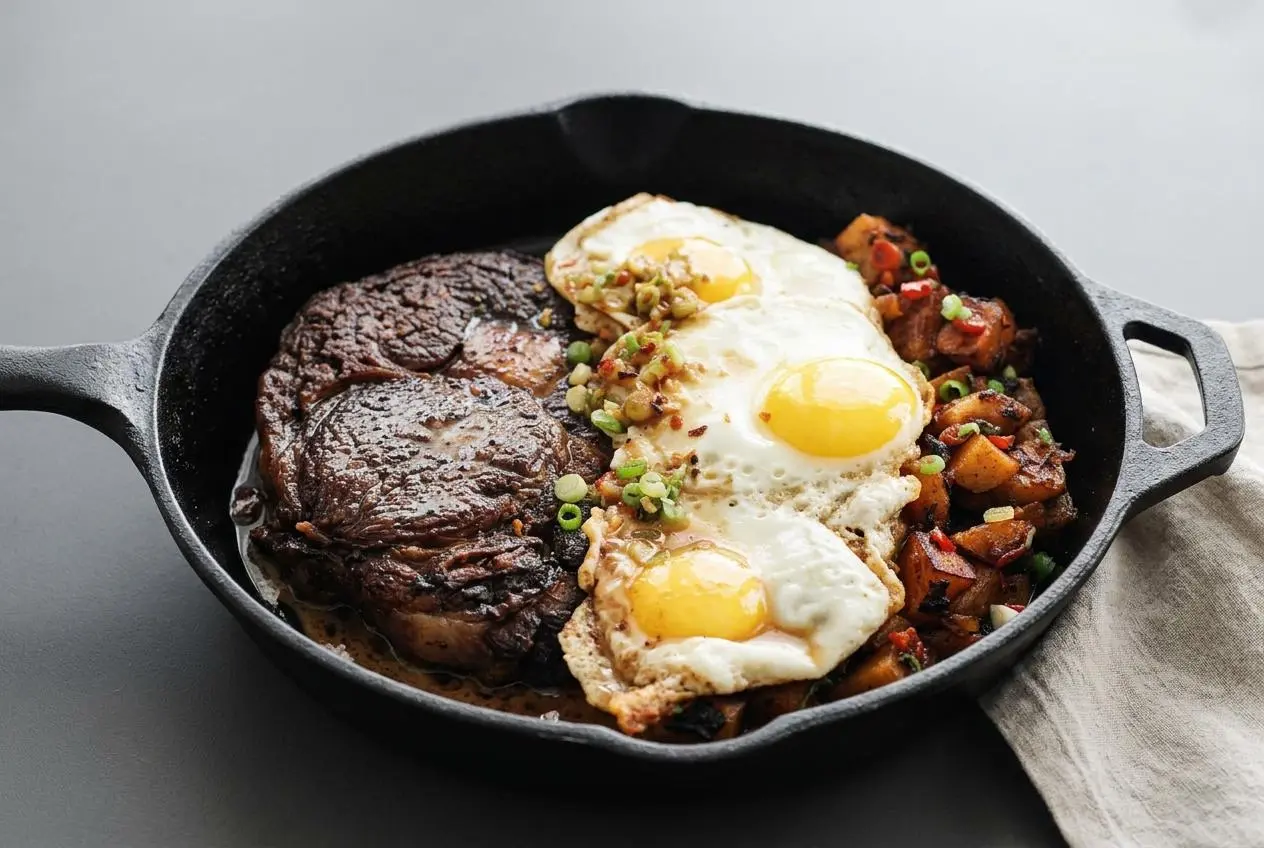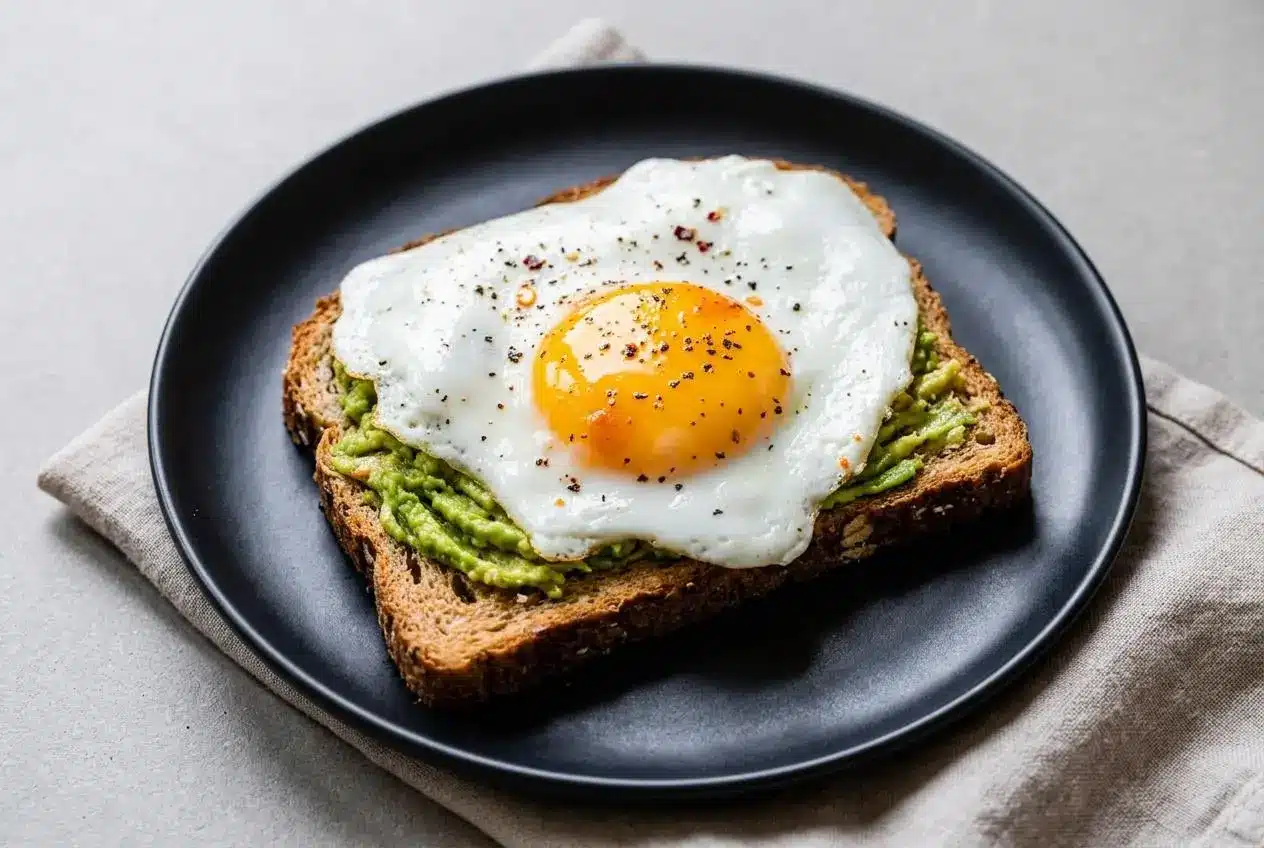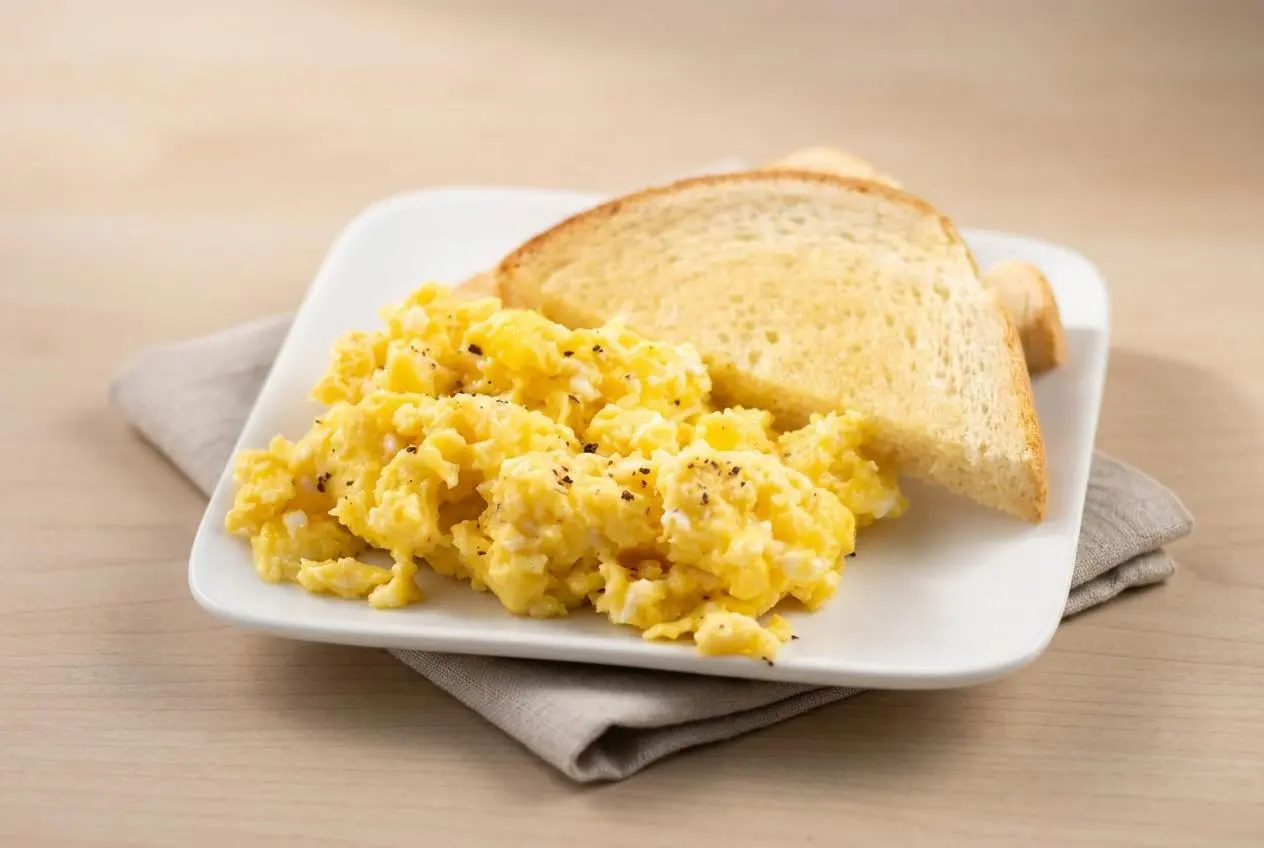
On busy weekday mornings, I want breakfast to be waiting for me, not the other way around. That is exactly why Egg Muffins have earned a permanent spot in my meal prep rotation, especially when I need something warm, filling, and easy to grab on the way out the door.
A lot of home cooks end up with baked eggs that turn rubbery, watery, or collapse the minute they leave the oven. This version fixes that with a simple steam-bake trick that gives the muffins a soft, velvety texture and helps them stay beautifully puffed instead of sad and sunken.
Why You’ll Love This Recipe
Morning-saving meal prep: These are the kind of Egg Muffins you can bake once and count on for several breakfasts. In my kitchen, batch cooking a muffin tin of eggs means one less decision before coffee kicks in.
The steam-bake twist: A shallow pan of hot water on the bottom rack creates gentle humidity in the oven. I discovered this keeps the eggs creamy and custard-like, more like a bakery breakfast bite than a dry baked scramble.
Protein with better texture: Cottage cheese adds extra protein and helps the base blend into a tender, fluffy bite. Once whisking smooths everything together, the curds practically melt into the mixture.
Reliable shape and structure: The added moisture in the oven helps the muffins bake evenly and cool with less dramatic sinking. That makes them especially handy for meal prep, packing, and reheating later in the week.
Flexible for different eaters: These are naturally gluten-free, easy to keep keto-friendly, and simple to customize with veggies, cheese, or cooked meats. One base recipe can cover the whole house without making breakfast feel repetitive.
Ingredients and Substitutions
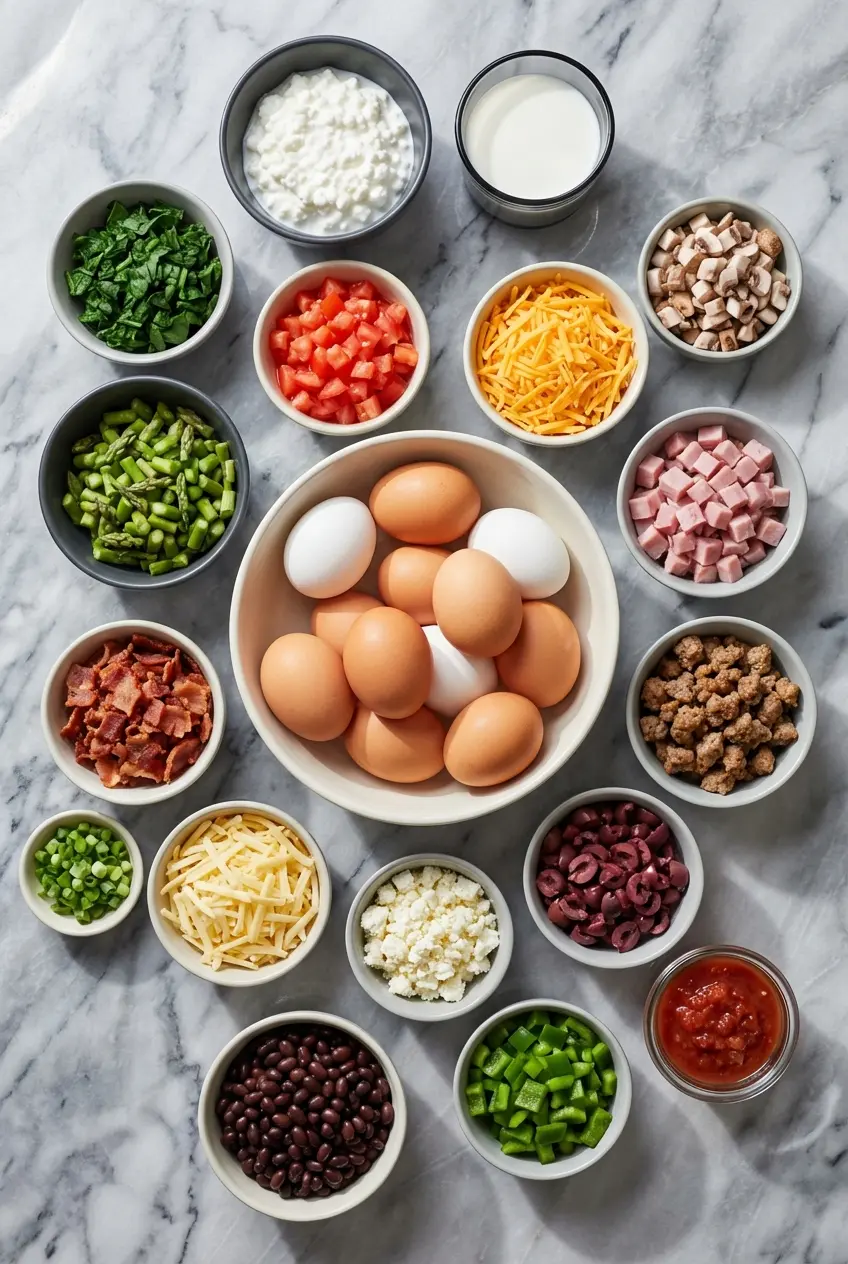
A simple egg base does the heavy lifting here, and the mix-in options let you steer the flavor anywhere from veggie-packed to hearty and savory.
Ingredients
Base:
- 10 large eggs
- 1/2 cup cottage cheese
- 1/4 cup milk
- 1/2 teaspoon salt or to taste
- 1/4 teaspoon black pepper
Garden Veggie:
- 1/2 cup spinach diced
- 1/2 cup tomatoes diced
- 1/2 cup mushrooms diced
- 1/2 cup cheddar cheese
Meat Lovers:
- 1/2 cup ham diced
- 1/2 cup bacon cooked and crumbled
- 1/2 cup sausage cooked and crumbled
French:
- 2 tablespoons green onion
- 1/2 cup smoked gouda cheese
- 1/2 cup asparagus diced
Greek:
- 1/2 cup feta cheese
- 1/2 cup tomatoes diced
- 1/4 cup kalamata olives diced
Spanish:
- 1/2 cup black beans
- 1/4 cup green bell peppers diced
- 1/4 cup tomatoes diced
- 1/2 cup salsa for topping
Ingredient Notes & Substitutions
Large eggs: Good-quality large eggs matter more than people think, because they give you a consistent ratio of liquid to protein in every batch. If your eggs run small, the muffins can bake up a little firmer and less fluffy.
Cottage cheese: This is the quiet hero of the recipe. It adds richness and moisture without making the muffins heavy, and once thoroughly whisked in, it helps create that soft, velvety crumb that makes a protein-rich breakfast feel a little more special.
Milk: Whole milk gives a balanced texture, but heavy cream works beautifully if you want a richer keto-friendly version. I use that swap when I want the centers especially tender and a touch more luxurious.
Cheese swaps: Cheddar, gouda, and feta all bring something different, from sharpness to creaminess to salty tang. For a dairy-free approach, skip the cheese and stir in a small spoonful of nutritional yeast for a savory note that still tastes rounded and satisfying.
Vegetables and meats: Keep add-ins chopped finer than a standard dice so they distribute evenly through the batter. Small pieces bake more neatly in a muffin tin and make each bite feel balanced instead of chunky or uneven.
How to Make Egg Muffins
Set Up the Steam Bake
- Preheat your oven to 350°F. While it heats, place a shallow pan filled with about 1 inch of hot water on the bottom rack so the oven develops a gentle, humid heat that protects the eggs from drying out.
- Coat your muffin tin generously with non-stick spray, getting into the bottoms and sides of each cup. If you prefer, silicone liners also work well and make cleanup much easier.
Whisk the Base and Add the Fillings
- Crack the eggs into a large bowl, then add the cottage cheese, milk, salt, and black pepper. Whisk until the mixture looks completely unified, pale golden, and smooth, with no streaks of loose egg white hiding in the bowl.
- Fold in your chosen add-ins, whether that is Garden Veggie, Meat Lovers, French, Greek, or Spanish style. Stir just enough to distribute everything evenly so each muffin gets a little of every flavor.
Fill and Bake
- Using a 1/3 cup measure makes this part almost foolproof. Fill each muffin cup only about 3/4 full, which gives the eggs room to puff without spilling over and creating those mushroom tops that stick to the pan.
- Bake for about 25 minutes, until the centers are fully set and the edges take on a light golden color. The tops should look gently puffed, and the middle should feel springy rather than wet if you tap it lightly.
Cool and Store
Let the muffins rest in the pan for a few minutes before removing them, which helps them release without tearing. If you are storing them for meal prep, cool them fully to room temperature first so condensation does not collect in the container.
The Secret to Bakery-Style Texture

Eggs are delicate, and they turn tough fast when the oven heat feels too dry or aggressive. The steam-bake method softens that heat, so the proteins set more gently and the finished Egg Muffins stay fluffy instead of bouncy and rubbery.
For the best balance of food safety and texture, 160°F is the sweet spot in the center. That temperature means the eggs are properly cooked, but not pushed so far that they squeeze out moisture and lose their creamy bite.
Cottage cheese does more than add protein. As it warms, it melts into the base and helps cushion the egg proteins, which is the same reason recipes like these cottage cheese bites come out so tender and satisfying for breakfast meal prep.
There is another nice bonus here, too. Because the eggs cook in a moister environment, you are less likely to get that strong sulfur smell that shows up when baked eggs have gone a little too far.
Choosing the Right Equipment for Even Baking
A metal muffin tin gives you stronger heat distribution and slightly firmer, more golden edges. If you like a bit of structure around the outside while the centers stay soft, metal is usually my pick.
Silicone pans and silicone liners are the easiest route for clean release. They are especially helpful if you meal prep often or have had frustrating sticking issues with eggs in the past, though the sides may stay a touch softer than in a metal pan.
Parchment-lined cups can be a smart middle ground for near-zero cleanup. I would skip regular paper liners, because baked eggs cling to them stubbornly and you end up peeling off breakfast one torn scrap at a time.
A wide mixing bowl and a sturdy whisk also matter more than they seem. When you have enough room to whisk properly, the eggs homogenize faster, which means a smoother batter and more even baking across the whole muffin tin.
Preventing Soggy Muffins and Weeping
Watery vegetables are the main reason egg muffins turn soggy on the bottom. Tomatoes should be dabbed dry, and mushrooms or spinach really benefit from a quick sauté first, because they release a surprising amount of liquid once they hit the oven.
If you have ever seen little puddles of water gather after baking, that is often the process termed syneresis, where set proteins push out moisture. In practical kitchen terms, it happens when eggs cook too fast or when the add-ins bring more juice than the custard-like base can comfortably hold.
The fix is simple and reliable. Keep the vegetable pieces small, cook off excess moisture when needed, and let the steam-bake environment do its job so the eggs set gently rather than tightening up all at once.
Pro Tips & Troubleshooting
Professional Tips for Success
- Whisk the base thoroughly until the yolks and whites are fully blended, because streaks of unmixed white can bake into rubbery pockets.
- Dice vegetables and meats very small so every muffin bakes evenly and each bite has a balanced mix of filling and egg.
- Use a 1/3 cup measure or portion scoop to fill the muffin tin consistently, which helps all the muffins finish at the same time.
- If you like bold flavor additions, a spoonful of pesto can be swirled into the base the same way I build savory depth in pesto eggs, just without overwhelming the texture.
Common Mistakes to Avoid
- Overfilling the cups causes the eggs to rise over the edges, stick to the pan, and bake into uneven shapes.
- Using watery vegetables without drying or pre-cooking them leads to soggy muffins and moisture pooling at the bottom.
- Judging doneness by looks alone can be misleading, because the tops may appear set before the centers are ready. A gentle spring-back in the middle or an internal temperature of 160°F is a much better guide.
- Over-whisking to the point of foamy eggs can trap too much air, which often leads to extra puffing in the oven and deeper sinking as the muffins cool.
Serving & Storage

Creative Serving Ideas
These are excellent straight from the fridge, but I love them warmed with sliced avocado, hot sauce, or a cool dollop of Greek yogurt. A shower of chives or cilantro wakes up the rich egg flavor and makes them taste freshly made.
For a heartier breakfast, tuck one or two into a warm English muffin for an easy sandwich. If you like keeping a few freezer-friendly breakfast options in rotation, these pair nicely with crisp, savory ideas like breakfast taquitos, especially when you want a different texture during the week.
Storage and Reheating Guide
In the fridge, store cooled Egg Muffins in an airtight container for up to 4 days. I like to line the container with a paper towel if the batch includes juicy vegetables, since it helps absorb any extra moisture.
For the freezer, place the cooled muffins on a tray in a single layer and freeze until firm, then transfer them to a freezer-safe bag. That quick flash-freeze keeps them from sticking together and gives you easy grab-and-go portions for up to 2 months.
To reheat in the microwave, wrap one or two muffins in a damp paper towel and heat for 30 to 60 seconds, just until warmed through. The little bit of moisture helps restore the tender texture instead of drying the eggs out.
In the air fryer, reheat at 300°F for 5 minutes. This method gives the edges a slightly firmer finish while keeping the center pleasantly soft, which is especially good for cheese-heavy versions.

Fluffy Velvety Egg Muffins

Equipment
- Muffin Tin
- Shallow pan
- Mixing Bowl
- Whisk
- Silicone liners
Ingredients
Base:
- 10 large eggs
- 1/2 cup cottage cheese
- 1/4 cup milk
- 1/2 teaspoon salt or to taste
- 1/4 teaspoon black pepper
Garden Veggie:
- 1/2 cup spinach diced
- 1/2 cup tomatoes diced
- 1/2 cup mushrooms diced
- 1/2 cup cheddar cheese
Meat Lovers:
- 1/2 cup ham diced
- 1/2 cup bacon cooked and crumbled
- 1/2 cup sausage cooked and crumbled
French:
- 2 tablespoons green onion
- 1/2 cup smoked gouda cheese
- 1/2 cup asparagus diced
Greek:
- 1/2 cup feta cheese
- 1/2 cup tomatoes diced
- 1/4 cup kalamata olives diced
Spanish:
- 1/2 cup black beans
- 1/4 cup green bell peppers diced
- 1/4 cup tomatoes diced
- 1/2 cup salsa for topping
Instructions
Set Up the Steam Bake
- Preheat your oven to 350 degrees F. Place a shallow pan filled with about 1 inch of hot water on the bottom rack. This creates a gentle, humid environment that prevents the eggs from drying out.
- Generously grease a muffin tin with non-stick spray or use silicone liners for easy release and cleanup.
Whisk the Base and Add the Fillings
- In a large mixing bowl, combine the eggs, cottage cheese, milk, salt, and black pepper. Whisk vigorously until the mixture is completely smooth and no streaks of egg white remain.
- Stir in your preferred flavor variations. Ensure the add-ins are diced small to allow for even distribution throughout the batter.
Fill and Bake
- Using a 1/3 cup measure, pour the egg mixture into the muffin cups, filling each one only 3/4 full to prevent them from overflowing as they puff up.
- Bake for 25 minutes. The centers should be springy to the touch and the internal temperature should reach 160 degrees F for the best texture.
Cool and Store
- Allow the muffins to rest in the tin for a few minutes before removing. If meal prepping, cool them completely on a wire rack before transferring to storage containers.
Notes
Nutrition
Conclusion
When Egg Muffins are baked with a little steam, the difference is easy to taste. The texture stays soft, fluffy, and velvety, and the muffins hold their shape far better than the usual dry, rubbery versions.
This is the kind of meal prep recipe that earns its keep all week long. Start with the base you like, play around with the flavor variations, and let your muffin tin do some of the hardest breakfast work for you.
Frequently Asked Questions
How do I prevent my egg muffins from sticking to the pan?
Why do my egg muffins always sink in the middle?
Can I make these with just egg whites?
Can I freeze and reheat egg muffins for meal prep?
Do I need to precook the vegetables?
What other egg meal prep option works well alongside these?