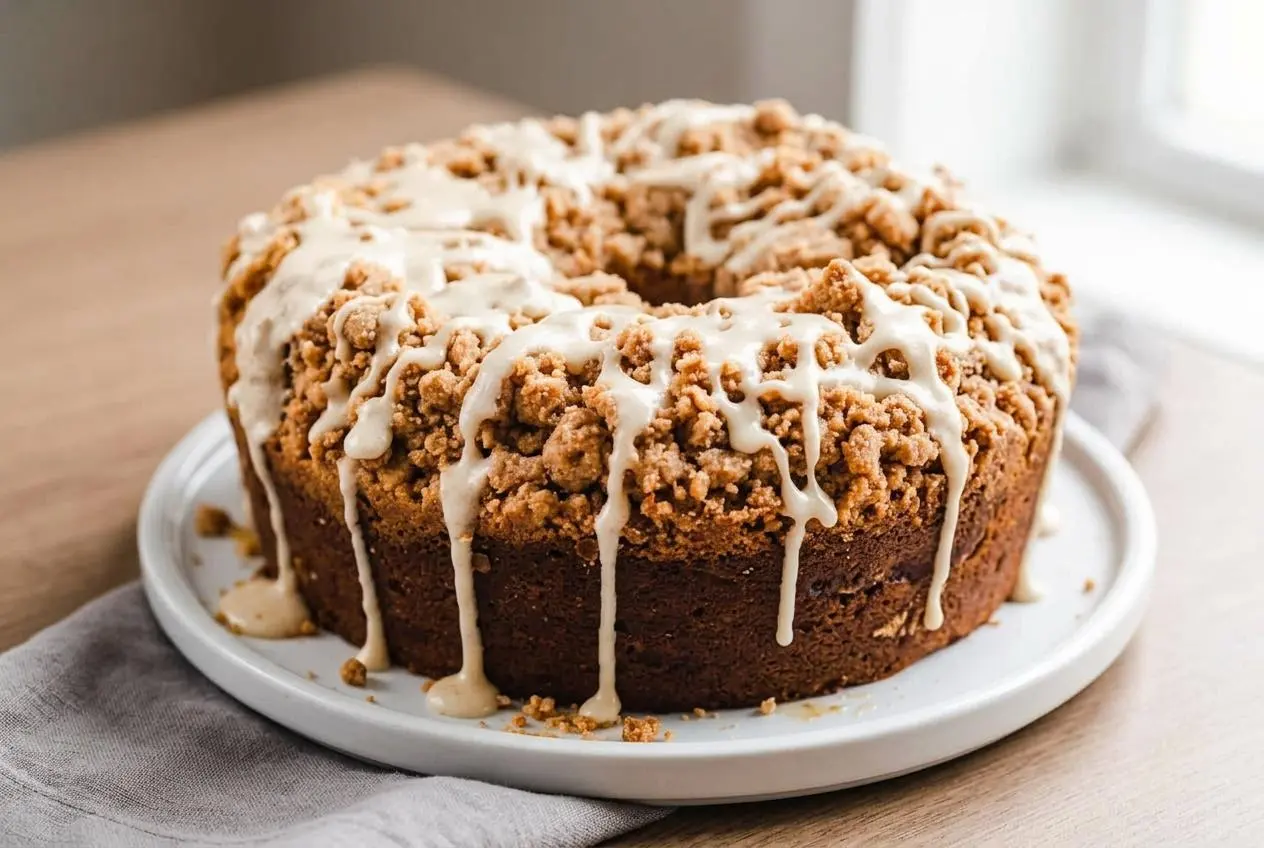
To make this cake, layer a sour cream batter with cinnamon sugar in a well-greased tube pan, bake at 325 degrees F, then finish with a brown butter glaze for a moist crumb and a clear cinnamon ribbon.
Cinnamon Swirl Bundt Coffee Cake is the kind of bake that fills the kitchen with warm spice before it ever hits the plate. The crumb stays rich and soft, and the brown sugar filling gives you that sweet spiced stripe through every slice.
It’s especially good when you want a coffee cake that feels a little more bakery-style without getting fussy. The small details matter here, especially the pan prep and the layering.
Set your eggs, sour cream, and milk out early so the batter blends smoothly instead of looking curdled.
Essential Ingredients for a Moist Bundt Coffee Cake
Each ingredient in this cake does real work, from keeping the crumb tender to building the cinnamon aroma, crisp streusel, and smooth glaze.
Crumb Topping
- 1 1/4 cup All Purpose Flour
- 3/4 cup Sugar
- 1 tbsp Cinnamon
- 1/2 cup Salted Butter, (room temperature)
- 3 tbsp Butter Flavored Shortening, (room temperature)
Filling
- 1/2 cup Brown Sugar
- 1 1/2 tbsp Cinnamon
Coffee Cake
- 1 cup Salted Butter, (room temperature)
- 1/2 cup Butter Flavored Shortening, (room temperature)
- 2 cups Sugar
- 1/2 cup Brown Sugar
- 4 large Eggs, (room temperature)
- 1 tbsp Vanilla Extract
- 3 1/2 cups All Purpose Flour
- 1/2 tsp Cinnamon
- 1 tsp baking powder
- 1 tsp Kosher Salt
- 1 cup Sour Cream, (room temperature)
- 1/4 cup Whole Milk, (room temperature)
Glaze Topping
- 6 tbsp Salted Butter
- 2 1/4 cups Powdered Sugar
- 4-5 tbsp Whole Milk, (room temperature)
- Splash Vanilla Extract
The butter brings flavor, the shortening helps the cake hold a soft texture, and the brown sugar deepens the swirl with a slight molasses note. Room temperature dairy and eggs matter because they mix into the batter evenly, which helps prevent a broken, heavy-looking mixture.
I like to press the sour cream with a spatula before adding it so it loosens a bit and blends faster into the batter.
The Power of Sour Cream
Sour cream is the main reason this cake stays plush instead of dry. Its richness softens the crumb, and its acidity helps keep gluten development in check, so the cake bakes up dense in the best way, not tight or tough.
That’s why full-fat sour cream works best here. A lighter version can still bake, but it usually gives you less richness and a less velvety crumb. If you enjoy this style of texture, a classic sour cream coffee cake is another good path to the same tender result.
Butter vs. Shortening for Long-Lasting Moisture
Butter and shortening each solve a different problem. Butter gives the cake its full, rich flavor, while butter-flavored shortening supports structure and helps the crumb stay soft after the cake cools.
Together, they create a cake that tastes buttery but still has the lift and stability you want in a tall bundt. That matters even more in a large pan, where a weak batter can turn gummy in the center or dry out at the edges.
Baking Your Cinnamon Swirl Bundt Coffee Cake
This method works best when you move in stages and stop mixing as soon as the batter looks smooth. Overmixed batter will look glossy, thick, and slightly stretchy, which is your warning sign to stop before the cake turns heavy.
Cake Preparation
- Heat the oven to 325 degrees F and coat an 18-cup tube pan thoroughly with nonstick baking spray.
Make sure the spray reaches every curve and crease so the cake can release cleanly later. - Make the crumb topping by mixing the flour, sugar, and cinnamon in a medium bowl, then work in the room temperature butter and shortening with your fingers or a fork until crumbles form.
The mixture should look sandy with small clumps, not like a smooth paste, then chill it in the refrigerator. - Stir the brown sugar and cinnamon together in a small bowl for the filling and set it aside.
You want the cinnamon evenly distributed so the ribbon tastes balanced from edge to center. - Whisk the flour, cinnamon, baking powder, and kosher salt in a separate bowl.
This helps the leavening and spice disperse evenly before they meet the wet ingredients. - Cream the butter, shortening, sugar, and brown sugar in a stand mixer with the paddle attachment for 5 minutes, then add the eggs one at a time on low speed, scraping the bowl between additions.
After the full creaming time, the mixture should look paler, noticeably fluffier, and a little billowy rather than dense and grainy. - Mix in half of the dry ingredients for about 20 seconds, add the milk, sour cream, and vanilla extract and mix for about 10-15 seconds, then scrape the bowl and add the remaining dry ingredients, mixing about 10 seconds more until smooth.
Stop as soon as the batter loses dry streaks and looks thick and creamy, because too much mixing at this stage can make the crumb dense. - Scrape the sides and bottom of the bowl one last time to be sure the batter is evenly combined.
The finished batter should look uniform and spreadable, with no pockets of butter or flour hiding underneath.
Assembly and Baking
- Add 1/3 of the batter to the prepared pan, sprinkle over half of the cinnamon filling, add another 1/3 of the batter, top with the remaining filling, and finish with the last 1/3 of the batter.
Cover the filling fully with the top layer so the cinnamon stays suspended in a ribbon instead of baking exposed on the surface. - Scatter the chilled crumb topping evenly over the batter.
Try to cover the surface from edge to center so each slice gets a bit of crisp, buttery top. - Bake for 1 hour and 20-30 minutes until a toothpick comes out with a few crumbs, then let the cake cool completely in the pan.
The cake should look set across the top and smell deeply of butter, cinnamon, and brown sugar.
Glaze and Serve
- Melt the butter in a skillet over medium heat and keep stirring until it foams and browned bits gather on the bottom, about 10 minutes.
When it reaches peak nuttiness, the butter smells toasted and warm, almost like hazelnuts, and the milk solids turn amber rather than black. - Transfer the browned butter to a mixing bowl and whisk in the powdered sugar, milk, and vanilla, adding more milk 1 tbsp at a time until the glaze reaches the thickness you want.
A good drizzle should fall in ribbons, not splash like milk or sit in a stiff lump on the whisk. - Pour the glaze over the cooled cake.
Let it run naturally over the curves so you get clean lines and little pockets of glaze in the ridges.
How to Achieve the Perfect Cinnamon Ribbon Swirl
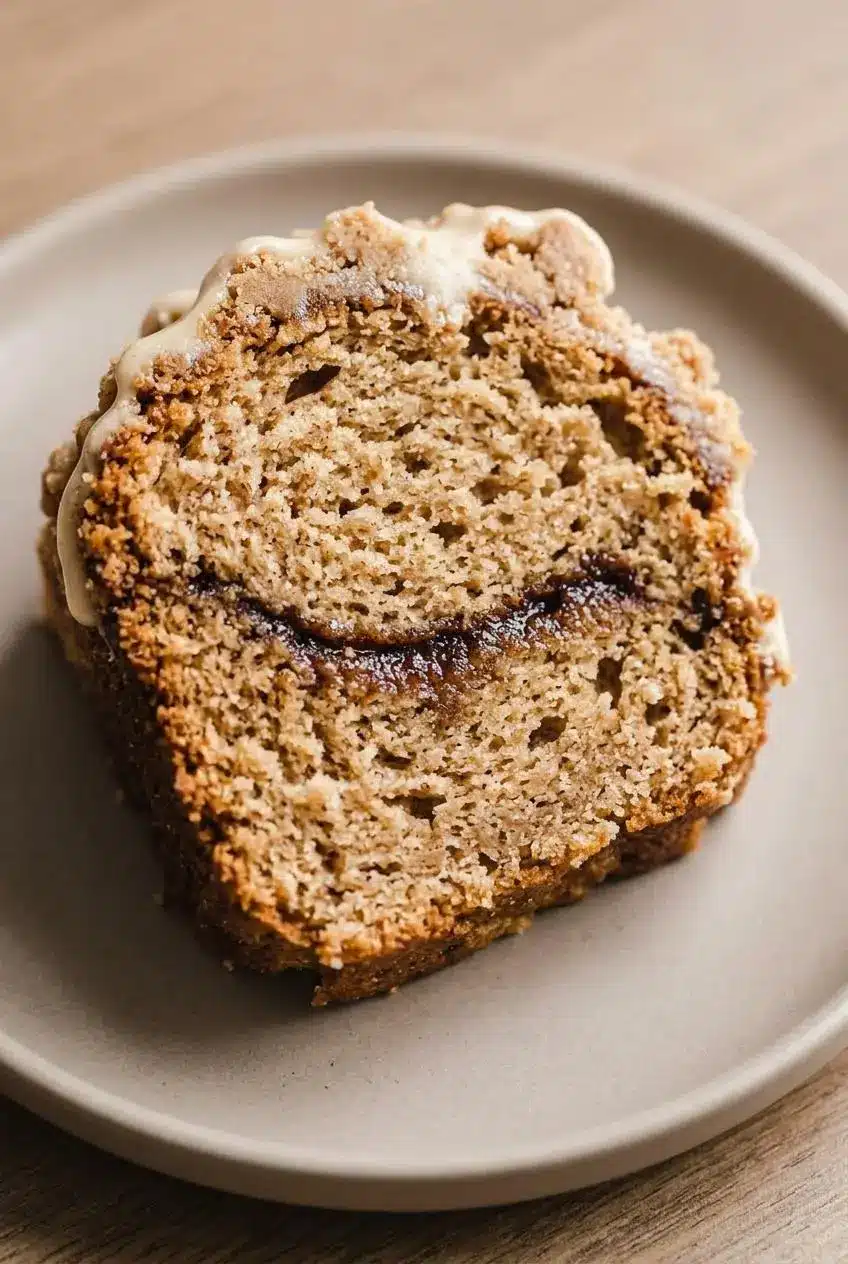
A clean cinnamon ribbon comes from layering, not swirling. This filling is meant to sit in distinct bands through the batter, so do not run a knife or skewer through it or the sugar will blend in and disappear instead of leaving that pretty stripe.
The easiest way to layer neatly is the scoop-and-spread method. Drop the batter into the pan in portions, using a large scoop or spoon, then gently spread it so you do not drag the cinnamon layer around. Think of it as covering the filling, not stirring it into place.
That final top layer matters more than it seems. Make sure all of the cinnamon sugar is fully covered before the streusel goes on, or the filling can melt upward and create patchy spots. If you like this kind of defined spiced layering, cinnamon swirl bread uses the same idea in a different shape.
- The filling sank: the batter layer underneath may have been too thin or uneven.
- The swirl vanished: the layers were probably dragged together during spreading.
- The top cracked around the filling: some cinnamon sugar may have been left exposed instead of coated with batter.
How to Keep Your Bundt Cake from Sticking
This is the part that saves the most heartbreak. A detailed bundt or tube pan needs either baking spray with flour or a thicker pan grease that can cling to every corner. Plain oil spray usually is not enough for a cake with sugar layers and a crumb topping.
Get into every groove, especially around the center tube and any sharp ridges. Once the cake is baked, the best release window is 15 to 20 minutes. If you flip it too soon, the cake is still fragile. If you wait too long, the sugar ribbon can start clinging to the pan and tear the cake as it comes out.
To release it, place a wire rack over the pan, hold both firmly, and invert in one confident motion. Then tap gently on the top and sides before lifting the pan away. If you enjoy practicing with decorative pans, a chocolate bundt cake is another good bake for learning the same release habits.
- Stuck in the creases: the pan likely missed a few spots during greasing, especially on decorative edges.
- Torn top: the cake stayed in the pan too long after baking.
- Broken bottom: the cake was inverted before the structure had time to set.
- Overflowed while baking: the pan was too small for the batter volume.
The Art of the Brown Butter Glaze
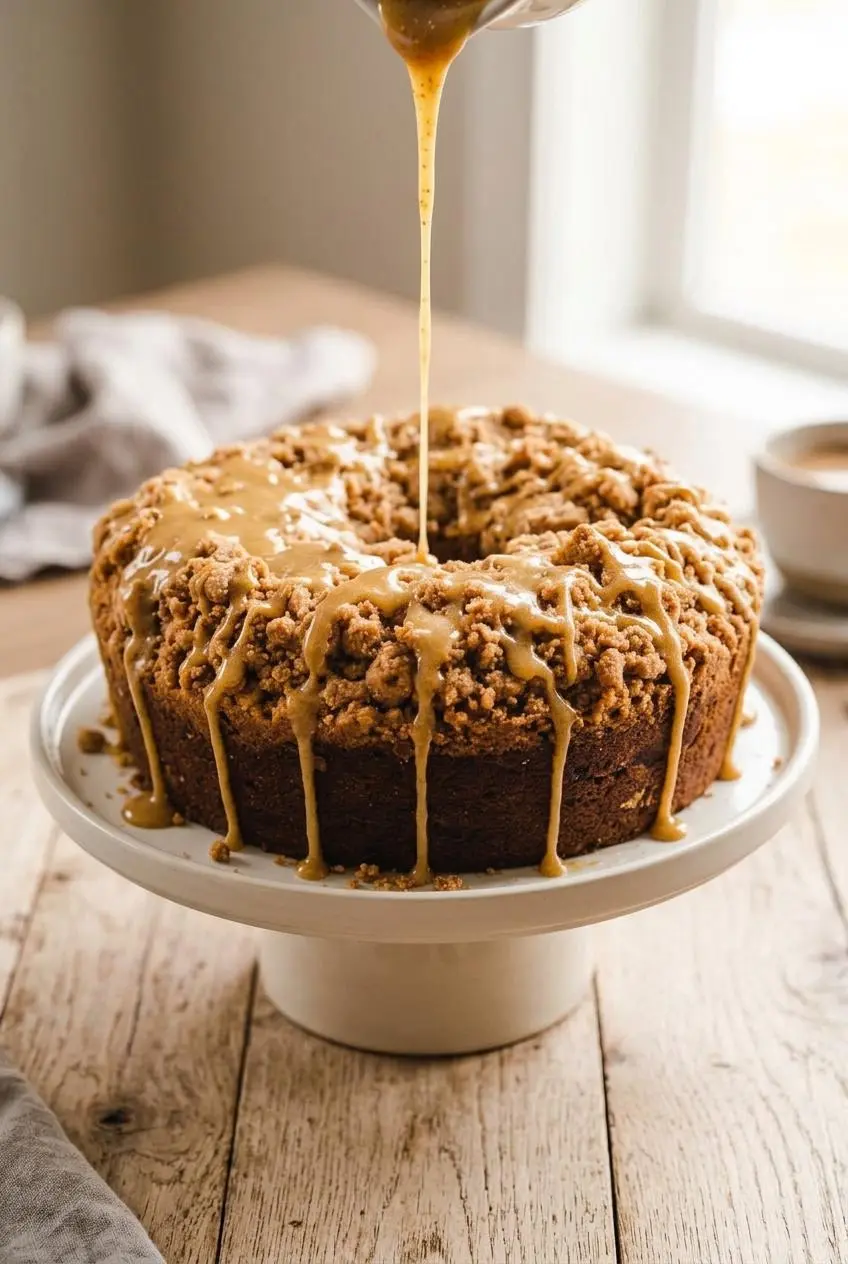
Brown butter gives the glaze its best flavor, and it is worth the extra few minutes. Start over medium heat and keep the butter moving so the milk solids toast gradually instead of burning on one hot spot in the pan.
You’ll see three clear stages. First the butter melts, then it foams, then the foam thins out enough for you to spot amber specks on the bottom. Pull it from the heat as soon as it smells deeply nutty and the solids turn rich golden brown. If the flecks go dark brown very fast, the heat is too high.
For a slightly cozier finish, you can whisk a pinch of ground cardamom into the glaze. It stays in the background but plays really well with the cinnamon.
Adjust the texture with milk and powdered sugar until the glaze drizzles cleanly. Thicker glaze sits in defined ribbons over the cake, while a thinner glaze slips farther into the grooves for a more bakery-style finish.
Scaling the Batter for Different Pan Sizes
This recipe is written for a large 18-cup tube pan, so a standard 10-inch or 12-cup bundt pan cannot hold all of the batter. Fill any smaller pan only about 2/3 full to give the cake room to rise.
If you have extra batter, bake it separately in a small loaf pan or muffin tin instead of overfilling the bundt pan. Overfilling is messy, and it can also leave the center underbaked while the outside gets too dark.
The Low and Slow Baking Method
Baking at 325 degrees F gives a thick cake more time to cook through evenly. In a large bundt, that lower temperature helps the middle catch up before the outer ring dries out.
A hotter 350 degree F oven can work for some smaller coffee cakes, but this size benefits from a gentler pace. The result is a more even crumb, better moisture through the center, and less risk of a dry edge with a damp middle.
Warm Spiced and Nutty Variations
These ideas keep the base cake intact while giving you a slightly different flavor path. They work best as optional tweaks, not as changes to the main batter.
Chai Spiced Bundt Cake
For a chai-style twist, add ground ginger, cardamom, and allspice to the cinnamon filling. The flavor becomes warmer and more layered, with a spiced-tea vibe rather than a straight cinnamon profile.
If you try this version, keep the extra spices modest so the cinnamon still leads. Too much cardamom can take over quickly.
Pecan Streusel Coffee Cake
Finely chopped toasted pecans fit naturally into this cake. Fold them into the filling or the streusel topping for a little crunch and a more rustic texture.
Toast the pecans first if you can, because raw nuts can taste flat beside all that butter and brown sugar. If you like cozy fruit-and-crunch combinations too, apple crisp coffee cake takes that idea in a different direction.
Storage, Make-Ahead, and Reheating
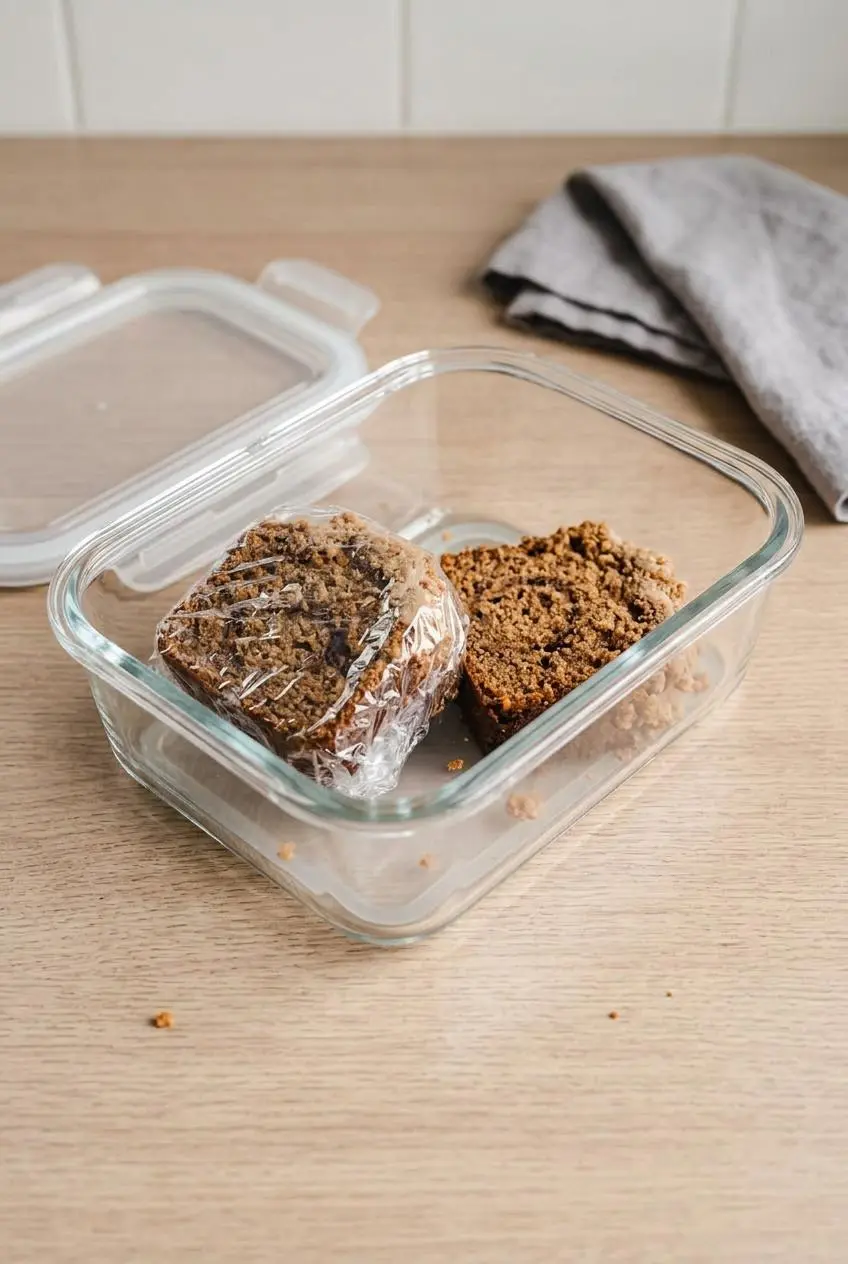
Once the cake is fully cool, wrap it well or keep it in an airtight container so the crumb stays soft. Room temperature storage usually gives the best texture for this style of cake, while the refrigerator can firm it up and dull some of the buttery softness.
If your kitchen runs warm or you want to chill glazed slices, keep dairy ingredients properly refrigerated at 40 degrees F or below for safer handling, as outlined in refrigerator temperature guidance for perishable foods.
For making it ahead, bake the cake, cool it completely, and add the glaze closer to serving if you want the cleanest finish. A brief warm-up of individual slices can bring back some of that just-baked softness without drying the whole cake.
Conclusion
This cake earns its place with a soft sour cream crumb, a true cinnamon ribbon, and that nutty glaze on top. It feels classic, but the bundt shape and brown butter make it a little extra in the best way.
If you remember one thing, make it the pan prep and the cooling window before inverting. Grease thoroughly, give it 15 to 20 minutes, and the cake has a much better shot at coming out in one beautiful piece.
Frequently Asked Questions
Why Did My Bundt Cake Stick to the Pan?
Usually it comes down to pan prep or timing. Detailed crevices were not coated well enough. A spray without flour was used instead of baking spray with flour or a thicker pan grease. The cake sat in the pan too long after baking and the sugar layers began to cling.
Can I Use Plain Greek Yogurt Instead of Sour Cream?
Yes, full-fat plain Greek yogurt is the best substitute here. Use it as a 1:1 swap for sour cream. Choose full-fat if possible so the crumb stays rich and tender. The flavor will be slightly tangier, but the cake should still bake up well.
How Do I Know When the Bundt Cake Is Completely Done Baking?
Check the thickest part of the cake, not just the edge. Insert a long wooden skewer deep into the center. It should come out clean or with a few dry crumbs. If you see wet batter, keep baking and test again after a bit more time.
Can I Make This Coffee Cake in a Regular Cake Pan?
Yes, a 9×13-inch pan can work for this batter. Watch the bake closely because it will finish faster in a shallower pan. A baking range of about 35 to 45 minutes is a good guide. Use the same skewer test to check for doneness in the center.
Cinnamon Swirl Bundt Coffee Cake

Equipment
- Stand mixer
- 18-cup Tube Pan (preferably with a removable bottom)
- Mixing Bowls
Ingredients
Crumb Topping
- 1 1/4 cup All Purpose Flour
- 3/4 cup Sugar
- 1 tbsp Cinnamon
- 1/2 cup Salted Butter room temperature
- 3 tbsp Butter Flavored Shortening room temperature
Filling
- 1/2 cup Brown Sugar
- 1 1/2 tbsp Cinnamon
Coffee Cake
- 1 cup Salted Butter room temperature
- 1/2 cup Butter Flavored Shortening room temperature
- 2 cups Sugar
- 1/2 cup Brown Sugar
- 4 large Eggs room temperature
- 1 tbsp Vanilla Extract
- 3 1/2 cups All Purpose Flour
- 1/2 tsp Cinnamon
- 1 tsp baking powder
- 1 tsp Kosher Salt
- 1 cup Sour Cream room temperature
- 1/4 cup Whole Milk room temperature
Glaze Topping
- 6 tbsp Salted Butter
- 2 1/4 cups Powdered Sugar
- 4-5 tbsp Whole Milk room temperature
- Splash Vanilla Extract
Instructions
Cake Preparation
- Heat the oven to 325 degrees F and coat an 18-cup tube pan thoroughly with nonstick baking spray. Make sure the spray reaches every curve and crease so the cake can release cleanly later.
- Make the crumb topping by mixing the flour, sugar, and cinnamon in a medium bowl, then work in the room temperature butter and shortening with your fingers or a fork until crumbles form. The mixture should look sandy with small clumps, not like a smooth paste, then chill it in the refrigerator.
- Stir the brown sugar and cinnamon together in a small bowl for the filling and set it aside. You want the cinnamon evenly distributed so the ribbon tastes balanced from edge to center.
- Whisk the flour, cinnamon, baking powder, and kosher salt in a separate bowl. This helps the leavening and spice disperse evenly before they meet the wet ingredients.
- Cream the butter, shortening, sugar, and brown sugar in a stand mixer with the paddle attachment for 5 minutes, then add the eggs one at a time on low speed, scraping the bowl between additions. After the full creaming time, the mixture should look paler, noticeably fluffier, and a little billowy rather than dense and grainy.
- Mix in half of the dry ingredients for about 20 seconds, add the milk, sour cream, and vanilla extract and mix for about 10-15 seconds, then scrape the bowl and add the remaining dry ingredients, mixing about 10 seconds more until smooth. Stop as soon as the batter loses dry streaks and looks thick and creamy, because too much mixing at this stage can make the crumb dense.
- Scrape the sides and bottom of the bowl one last time to be sure the batter is evenly combined. The finished batter should look uniform and spreadable, with no pockets of butter or flour hiding underneath.
Assembly and Baking
- Add 1/3 of the batter to the prepared pan, sprinkle over half of the cinnamon filling, add another 1/3 of the batter, top with the remaining filling, and finish with the last 1/3 of the batter. Cover the filling fully with the top layer so the cinnamon stays suspended in a ribbon instead of baking exposed on the surface.
- Scatter the chilled crumb topping evenly over the batter. Try to cover the surface from edge to center so each slice gets a bit of crisp, buttery top.
- Bake for 1 hour and 20-30 minutes until a toothpick comes out with a few crumbs, then let the cake cool completely in the pan. The cake should look set across the top and smell deeply of butter, cinnamon, and brown sugar.
Glaze and Serve
- Melt the butter in a skillet over medium heat and keep stirring until it foams and browned bits gather on the bottom, about 10 minutes. When it reaches peak nuttiness, the butter smells toasted and warm, almost like hazelnuts, and the milk solids turn amber rather than black.
- Transfer the browned butter to a mixing bowl and whisk in the powdered sugar, milk, and vanilla, adding more milk 1 tbsp at a time until the glaze reaches the thickness you want. A good drizzle should fall in ribbons, not splash like milk or sit in a stiff lump on the whisk.
- Pour the glaze over the cooled cake. Let it run naturally over the curves so you get clean lines and little pockets of glaze in the ridges.