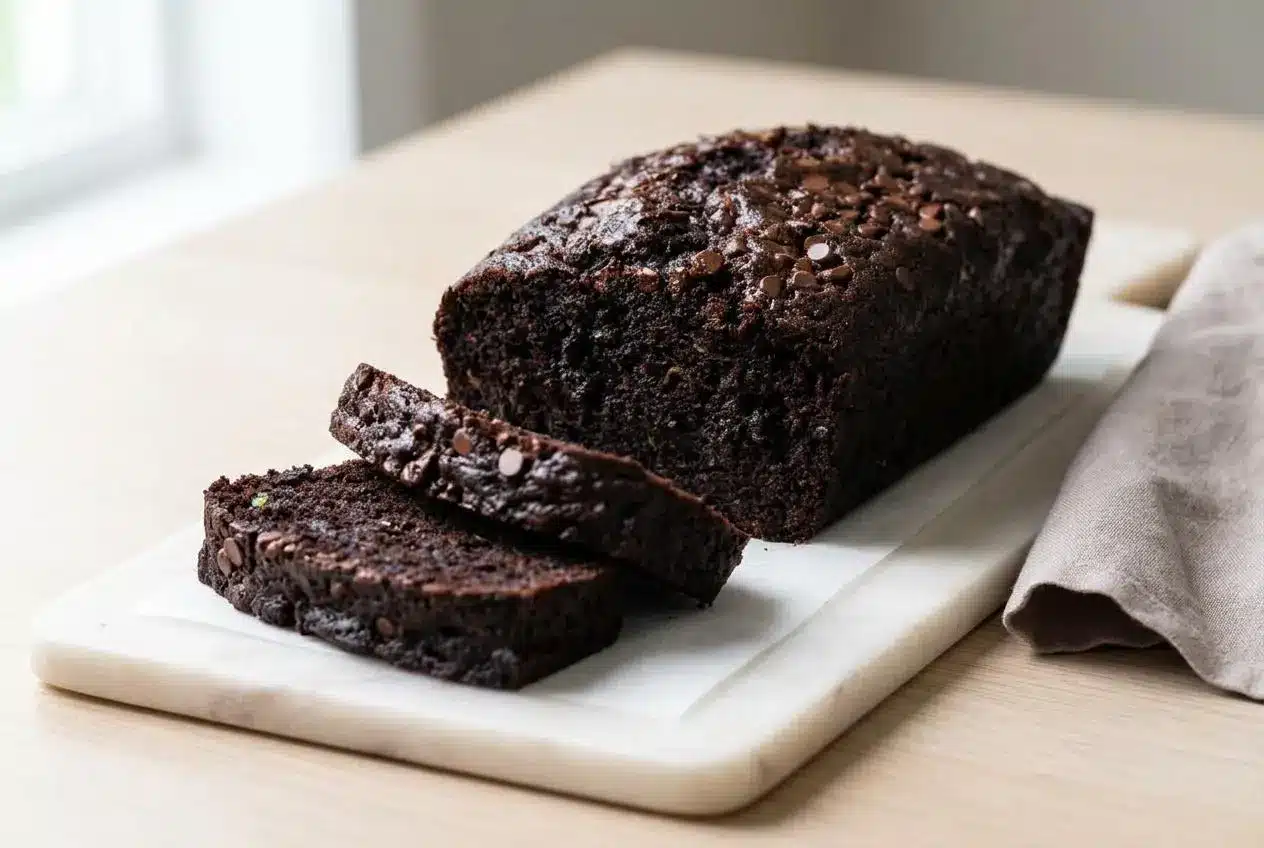
The secret to the best chocolate zucchini bread is using grated zucchini with the skins on and not squeezing all of the moisture out before baking at 350 degrees F.
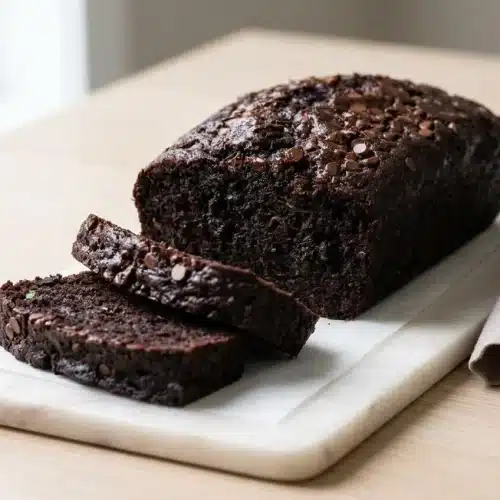
Chocolate zucchini bread bakes up like a rich quick bread with deep cocoa flavor, a moist crumb, and plenty of melted chocolate in every slice.
The batter looks dense and heavy before it goes into the pan, and that’s a good sign. Around the 40-minute mark, the kitchen starts smelling intensely chocolatey, and the top begins to crackle. That craggy top is worth waiting for.
Use the large holes of a box grater so the zucchini blends into the batter without turning watery.
Key Ingredients and Their Roles
Each ingredient pulls its weight here, from moisture and structure to chocolate depth, sweetness, and that dark bakery-style color.
- 2 cups grated zucchini (about 2 medium zucchinis)
- 1/2 cup brown sugar
- 1/2 cup granulated sugar
- 2 large eggs
- 1/3 cup extra-virgin olive oil
- 1/2 teaspoon vanilla
- 1 1/4 cups all-purpose flour
- 1/3 cup unsweetened Dutch process cocoa powder
- 1/2 teaspoon salt
- 1/2 teaspoon baking soda
- 1/4 teaspoon baking powder
- 1 cup semisweet chocolate chips
Zucchini is the quiet workhorse. It keeps the loaf tender and moist without making it taste vegetal. Brown sugar adds deeper flavor and helps the crumb stay soft, while granulated sugar gives cleaner sweetness and better structure. Eggs hold everything together, and vanilla rounds out the chocolate.
The flour builds the loaf, but the cocoa changes the whole personality of it. Semisweet chocolate chips are the sweet spot because they add richness without pushing the bread into cloying territory. Salt matters more than it looks like it should. It sharpens the cocoa flavor and keeps the sweetness from tasting flat.
I always grate my zucchini on the large holes of a box grater because it gives the batter plenty of moisture without disappearing into mush.
The Cocoa Powder Difference: Dutch-Process vs Natural
Dutch-process cocoa has been treated to reduce its acidity, so it tastes smoother and looks darker than natural unsweetened cocoa. In this loaf, that means a deeper brown crumb and a more mellow chocolate flavor instead of a sharper, fruitier cocoa edge.
Because Dutch-process cocoa is less acidic, the leavening balance matters. This recipe uses both baking soda and baking powder, which helps the loaf rise while keeping the flavor dark and rounded. If you swap in natural cocoa, the bread will still taste chocolatey, but the color and flavor profile will shift a bit lighter and tangier.
Why Oil Beats Butter for Ultimate Moisture
Oil stays liquid at room temperature, so the crumb feels softer and fudgier even after the loaf has cooled. Butter can taste great in quick bread, but it firms up as it cools, which often makes a chocolate loaf feel drier the next day.
Extra-virgin olive oil works especially well here because the cocoa and chocolate chips are strong enough to absorb its flavor. Avocado oil is another good optional choice if you want a more neutral finish, but the official recipe’s olive oil gives excellent moisture and a tender slice.
The Acidity Secret: Using Sour Cream or Yogurt
This recipe does not call for sour cream or yogurt, but it helps to know why some chocolate quick breads use them. Their acidity reacts with baking soda and can lighten the crumb while adding richness.
If you enjoy experimenting with similar bakes, that tangy dairy element usually softens the texture and adds a little lift. For this loaf, the zucchini, eggs, and oil already provide enough moisture to keep it plush without needing that extra ingredient.
How to Prepare Zucchini for Baking
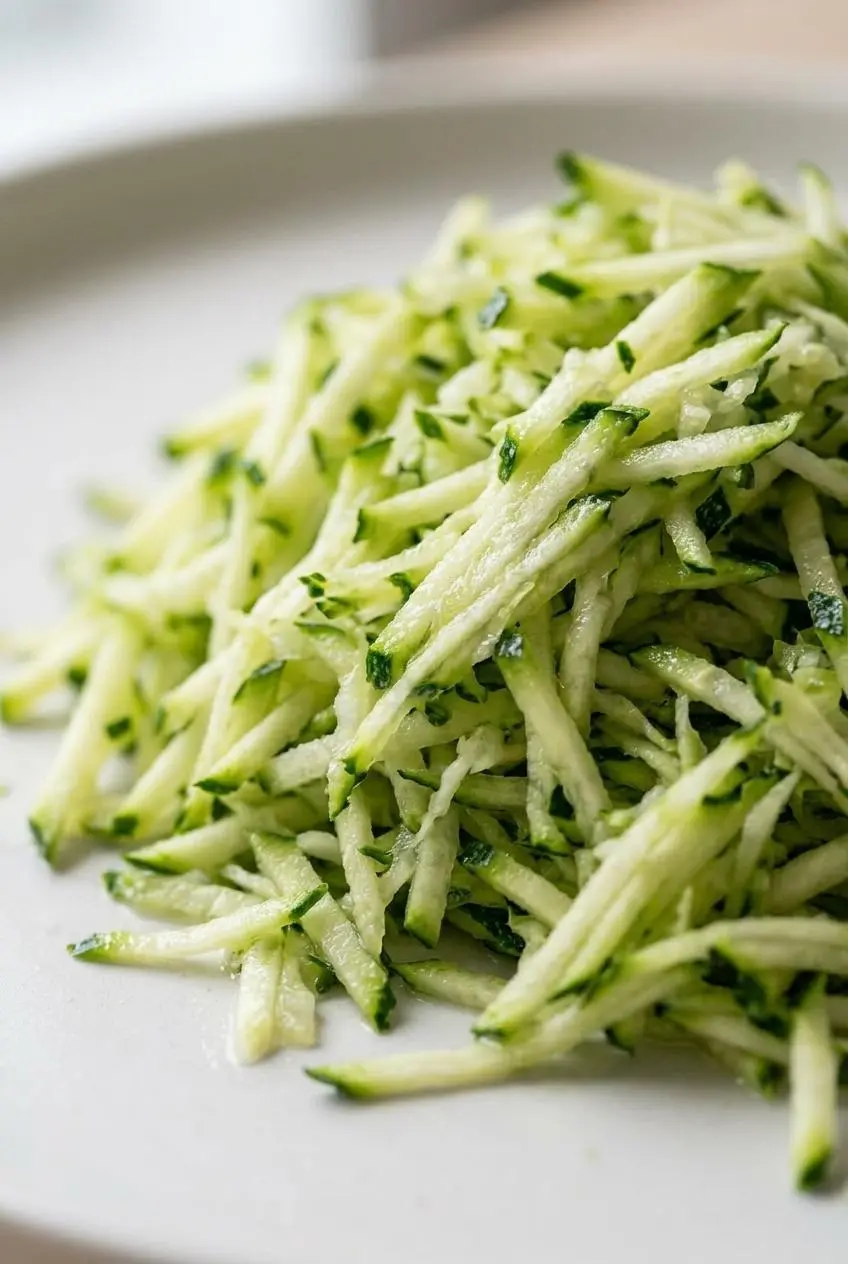
Zucchini prep is what separates a moist loaf from a soggy one. Small to medium zucchini are best because the seeds are tender, the skin is thin, and the flesh holds a more even amount of moisture.
If your zucchini feels very wet after grating, press it gently between paper towels to remove excess surface moisture. Do not wring it out until it is dry. That water is part of what keeps the bread soft. The goal is less drippy, not bone-dry.
Large garden zucchini can still work, but give them a little more attention. Slice them open lengthwise first. If you see oversized seeds or a spongy center, scoop that part out before grating the firmer flesh. That keeps tough bits and excess water out of the batter.
If you have extra summer squash to use up, zucchini banana bread is another good way to put it to work.
Grating and Prepping Fresh Zucchini
Wash the zucchini, trim the ends, and grate it with the skin on. There is no need to peel it. The skin is thin, tender, and softens completely as the bread bakes, so it blends right into the loaf while adding flecks of color.
After grating, check the bowl. If you see a puddle of water collecting at the bottom, lift the zucchini out and blot it lightly. If it just looks moist and fluffy, use it as is. That balance is what gives the batter its thick, heavy look without turning it runny.
How to Bake with Frozen Zucchini
Frozen shredded zucchini can work, but it releases more water as it thaws. Let it thaw fully first, then stir it and measure it after draining off any obvious liquid.
Once measured, press it lightly in paper towels if it still seems very wet. Keep some moisture in it. If you squeeze frozen zucchini hard, you can strip away too much water and end up with a loaf that tastes richer than it feels moist.
The batter should still look thick and heavy, not loose or pourable. If it suddenly looks slack, the zucchini likely carried in too much water. In that case, give future batches a slightly firmer drain rather than changing the recipe itself.
How to Make Chocolate Zucchini Bread
- Heat the oven to 350 degrees F and place a rack in the center, then spray an 8.5 x 4.5 x 2.75-inch loaf pan and line it with parchment paper.
The parchment should hang over the sides a bit so the baked loaf lifts out easily later. - Check the grated zucchini and, if it seems especially wet, press it gently between paper towels before using.
You want the zucchini moist but not dripping, since too much surface water can weigh down the batter. - Combine the zucchini, brown sugar, granulated sugar, eggs, olive oil, and vanilla in a medium bowl.
The mixture will look glossy, loose, and slightly chunky from the zucchini strands. - Whisk the flour, Dutch process cocoa powder, salt, baking soda, and baking powder in a separate large bowl.
This helps spread the leavening and cocoa evenly so the loaf rises and colors more consistently. - Add the wet mixture to the dry mixture and stir just until no dry pockets remain, then fold in most of the chocolate chips and reserve 2 tablespoons for the top.
The batter will be thick and heavy, and that dense texture is exactly what you want for a fudgy loaf. - Scrape the batter into the prepared pan and scatter the reserved chocolate chips over the surface.
The top will look full and textured, which helps create a craggy finish as it bakes. - Bake for 45 to 50 minutes, then cool the bread in the pan for 5 minutes before transferring it to a wire rack to cool further.
A tester inserted in the center should come out without wet batter, though a little melted chocolate on it is normal.
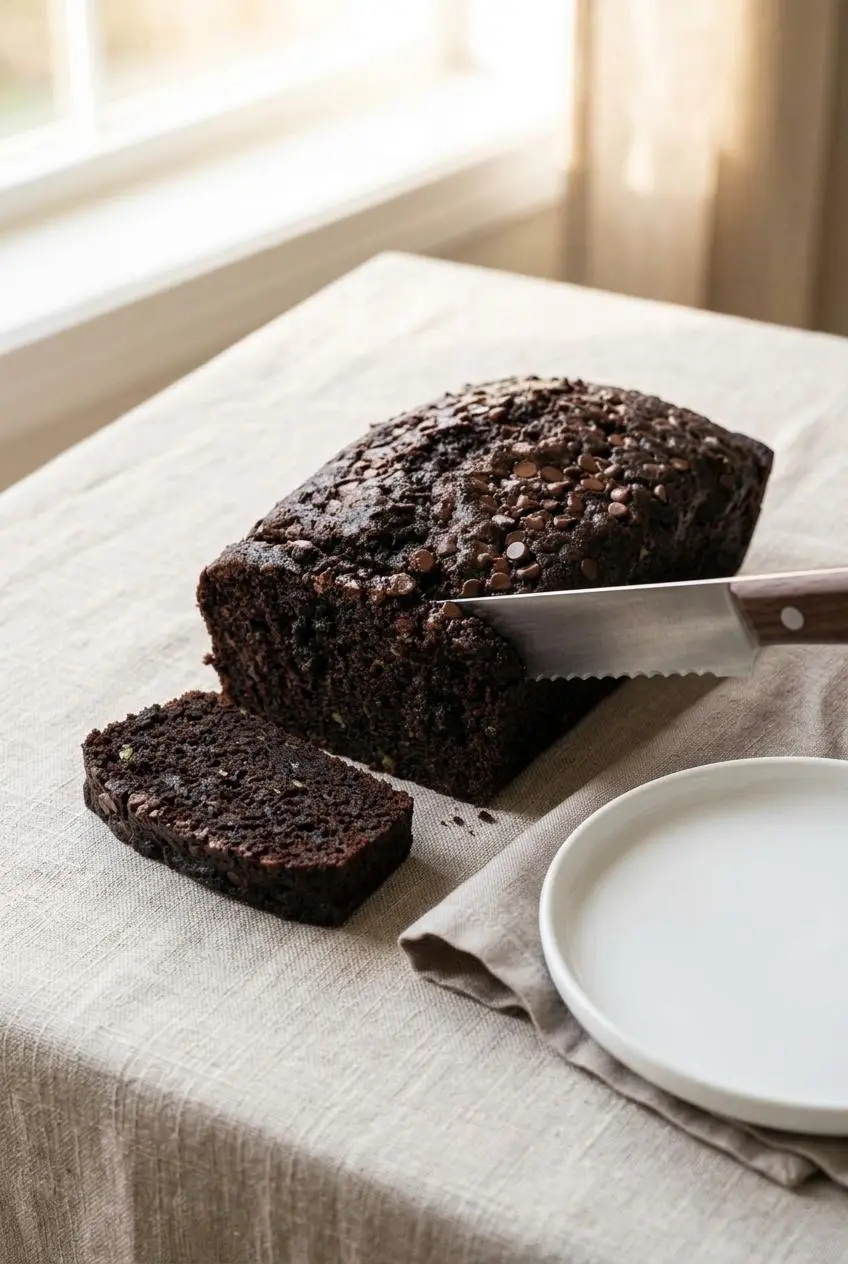
Use a serrated knife once the loaf has had time to settle. If you cut it while it is still very hot, the crumb is more likely to break instead of slicing cleanly.
Choosing the Right Pan and Baking Times
Pan size changes both the bake time and the shape of the loaf, so this is worth getting right. The recipe is built for an 8.5 x 4.5-inch loaf pan, which gives you a taller loaf and the stated 45 to 50 minute baking range.
If you use a 9 x 5-inch loaf pan, the batter will spread out more and bake a little faster because it sits shallower in the pan. Start checking earlier than you would with the smaller pan. The loaf may also have a broader top and a slightly less dramatic dome.
You can also divide the batter into a standard 12-cup muffin tin for individual portions. Bake at 350 degrees F and start checking in the 18 to 22 minute range. Fill lined cups evenly and stop when a tester comes out without wet batter in the center.
Pan volume matters because an undersized pan can push the batter too high and lead to overflow or an underbaked center. When in doubt, leave a little headroom at the top rather than packing the pan to the brim.
Securing the Perfect Crunchy Sugar Crust
For a bakery-style top, reserve the official chocolate chips for the surface as directed, then add a light sprinkle of raw turbinado sugar before the loaf goes into the oven. It gives the crust a delicate crunch that plays well with the soft crumb underneath.
A tiny pinch of flaky sea salt on top can sharpen the chocolate flavor too. If you like a darker, deeper finish, you can also stir a little espresso powder into the batter as an optional variation. Keep that as a flavor boost, not a required change.
Troubleshooting Common Baking Issues
Most chocolate quick bread problems come down to moisture, mixing, or pan choice. Here’s how to fix the ones that show up most often.
- Sunk center: This usually comes from overly wet zucchini, underbaking, opening the oven too early, or using a pan size that changes the baking pace. Blot very wet zucchini lightly, keep the door closed until late in the bake, and use the full 45 to 50 minute range as a guide rather than pulling it early.
- Dry loaf: The zucchini may have been squeezed too hard, or the batter may have been overmixed after the flour went in. Keep some moisture in the zucchini and stir only until the dry streaks disappear.
- Chocolate chips sinking: A very loose batter lets them slide downward. If your zucchini was especially wet, that can be the cause. Reserving some chips for the top also helps keep chocolate in every bite instead of all at the bottom.
- Tester comes out messy: Try again in a different spot if you hit a melted chocolate chip. You are looking for no wet batter in the center, even if the tester picks up a little melted chocolate.
- Top getting dark too quickly: A dark metal pan or a shallow 9 x 5-inch pan can speed browning. Keep the loaf on the center rack and start checking toward the early end if you use a larger pan.
One small detail helps a lot here: whisk the dry ingredients separately before combining. That spreads the baking soda and baking powder evenly, which gives the loaf a more even rise and a finer crumb.
Storage and Freezing Instructions
Let the loaf cool completely before wrapping it. Trapping steam while it is still warm softens the top and makes the crumb feel damp.
At room temperature, keep the bread well wrapped so it does not dry out. If your kitchen runs warm or humid, the refrigerator is a better choice for protecting texture and freshness, and chocolate loaves often taste especially rich when chilled.
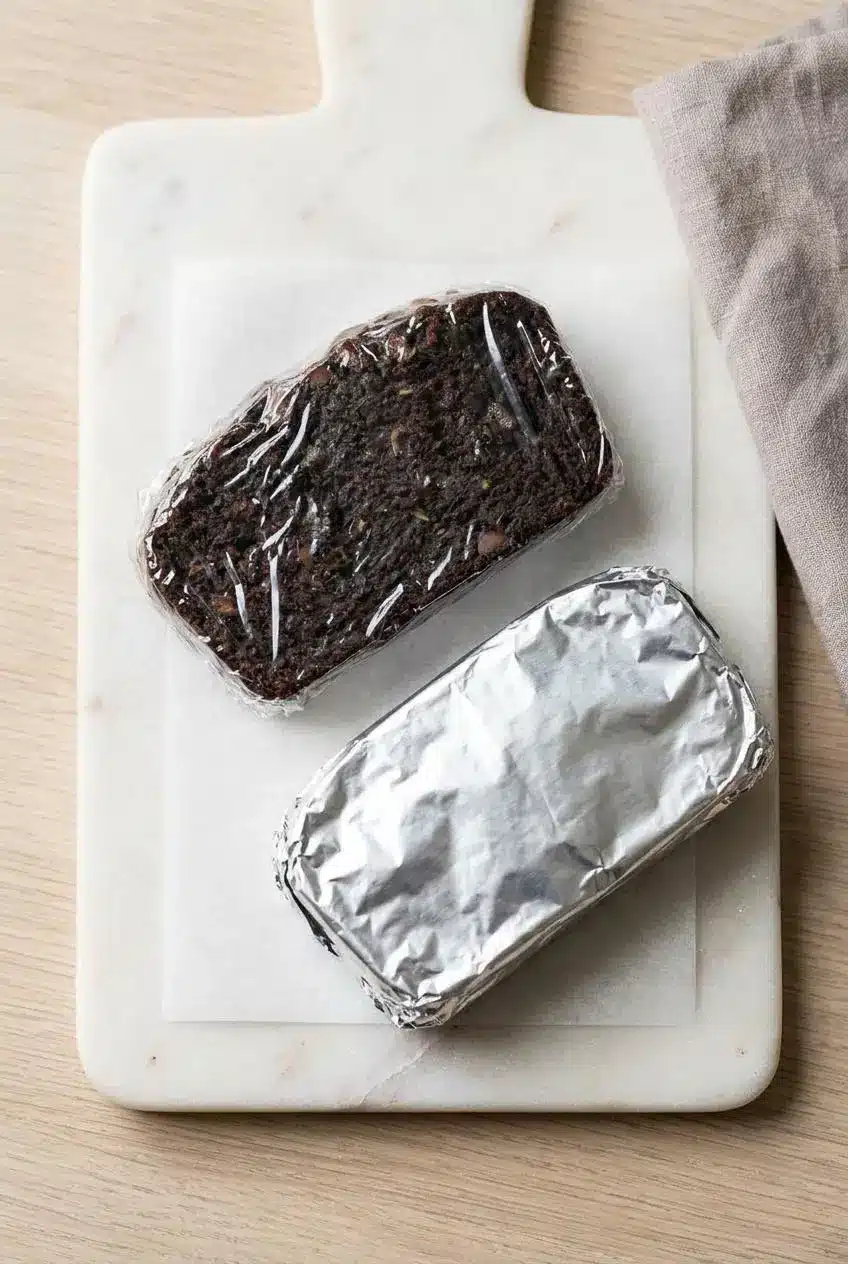
To freeze it, wrap the fully cooled loaf tightly in plastic wrap and then in foil. You can freeze the whole loaf or wrap individual slices the same way, which makes it easier to thaw only what you want.
When you are ready to serve it, thaw the bread at room temperature while still wrapped, then uncover it so the surface does not trap extra moisture. If you want to bring back a bit of top texture, warm slices briefly after thawing.
Because this batter contains eggs, good handling and prompt chilling matter once the loaf has cooled, especially in a warm kitchen. USDA guidance on safe handling, cooking, and storage of eggs is a helpful baseline for home baking.
Dietary Swaps and Variations
This loaf works best as written, but a few optional changes can fit different needs without losing the fudgy texture. Treat these as flexible ideas, not part of the core recipe.
Gluten-Free Swaps
A 1:1 gluten-free baking blend that already contains xanthan gum is the cleanest swap for the all-purpose flour. It helps the loaf hold together and slice neatly instead of turning sandy or fragile.
Gluten-free batters can behave a little differently, so watch the center closely for doneness. If you enjoy baking beyond this loaf, a broader gluten free bread guide can help with flour blend expectations and texture.
Healthy and Low-Sugar Options
You can swap half of the flour for whole wheat flour if you want a slightly heartier loaf. Expect a bit more nuttiness and a slightly less tender crumb.
You can also trim the sugars a little, but do it modestly. Sugar affects moisture as much as sweetness in a quick bread like this, so large cuts can make the loaf drier and less plush. For a deeper chocolate variation, some bakers like using black cocoa alongside Dutch-process cocoa, but keep that as an optional experiment rather than a full replacement.
Chopped walnuts are another optional add-in if you want more texture, especially with coffee or as a dessert-style slice.
Conclusion
This is the kind of loaf that lands somewhere between snack cake and quick bread, with a dark cocoa crumb and plenty of moisture from the zucchini. The biggest win comes from handling that zucchini gently instead of squeezing all the life out of it.
If you can wait before slicing, the texture settles and the chocolate flavor deepens even more by day two. Patience pays off here.
Frequently Asked Questions
Do I Need to Peel the Zucchini First?
No. The skin is thin and tender, and it softens fully as the bread bakes. Keeping the skin on also saves time and helps the grated zucchini disappear neatly into the crumb.
Can I Freeze Chocolate Zucchini Bread?
Yes. Cool the loaf completely first, then wrap it tightly in plastic wrap and again in foil before freezing. You can freeze the whole loaf or individual slices, then thaw at room temperature while wrapped so the crumb stays moist.
Can I Make This as Muffins Instead?
Yes. Divide the batter into a lined 12-cup muffin tin. Bake at 350 degrees F for 18 to 22 minutes, and check for doneness when the centers no longer show wet batter.
Why Did My Chocolate Zucchini Bread Sink in the Middle?
The usual causes are overly wet zucchini, underbaking, opening the oven too early, or a pan that changes the bake time. Blot very wet zucchini lightly, keep the oven closed until late in the bake, and test the center in more than one spot if melted chocolate is throwing you off.
Chocolate Zucchini Bread

Equipment
- 8.5 x 4.5 x 2.75-inch loaf pan
- Medium bowl
- large bowl
- Serrated Knife
- Wire cooling rack
Ingredients
- 2 cups grated zucchini about 2 medium zucchinis
- 1/2 cup brown sugar
- 1/2 cup granulated sugar
- 2 large eggs
- 1/3 cup extra-virgin olive oil
- 1/2 teaspoon vanilla
- 1 1/4 cups all-purpose flour
- 1/3 cup unsweetened Dutch process cocoa powder
- 1/2 teaspoon salt
- 1/2 teaspoon baking soda
- 1/4 teaspoon baking powder
- 1 cup semisweet chocolate chips
Instructions
- Heat the oven to 350 degrees F and place a rack in the center, then spray an 8.5 x 4.5 x 2.75-inch loaf pan and line it with parchment paper. The parchment should hang over the sides a bit so the baked loaf lifts out easily later.
- Check the grated zucchini and, if it seems especially wet, press it gently between paper towels before using. You want the zucchini moist but not dripping, since too much surface water can weigh down the batter.
- Combine the zucchini, brown sugar, granulated sugar, eggs, olive oil, and vanilla in a medium bowl. The mixture will look glossy, loose, and slightly chunky from the zucchini strands.
- Whisk the flour, Dutch process cocoa powder, salt, baking soda, and baking powder in a separate large bowl. This helps spread the leavening and cocoa evenly so the loaf rises and colors more consistently.
- Add the wet mixture to the dry mixture and stir just until no dry pockets remain, then fold in most of the chocolate chips and reserve 2 tablespoons for the top. The batter will be thick and heavy, and that dense texture is exactly what you want for a fudgy loaf.
- Scrape the batter into the prepared pan and scatter the reserved chocolate chips over the surface. The top will look full and textured, which helps create a craggy finish as it bakes.
- Bake for 45 to 50 minutes, then cool the bread in the pan for 5 minutes before transferring it to a wire rack to cool further. A tester inserted in the center should come out without wet batter, though a little melted chocolate on it is normal.