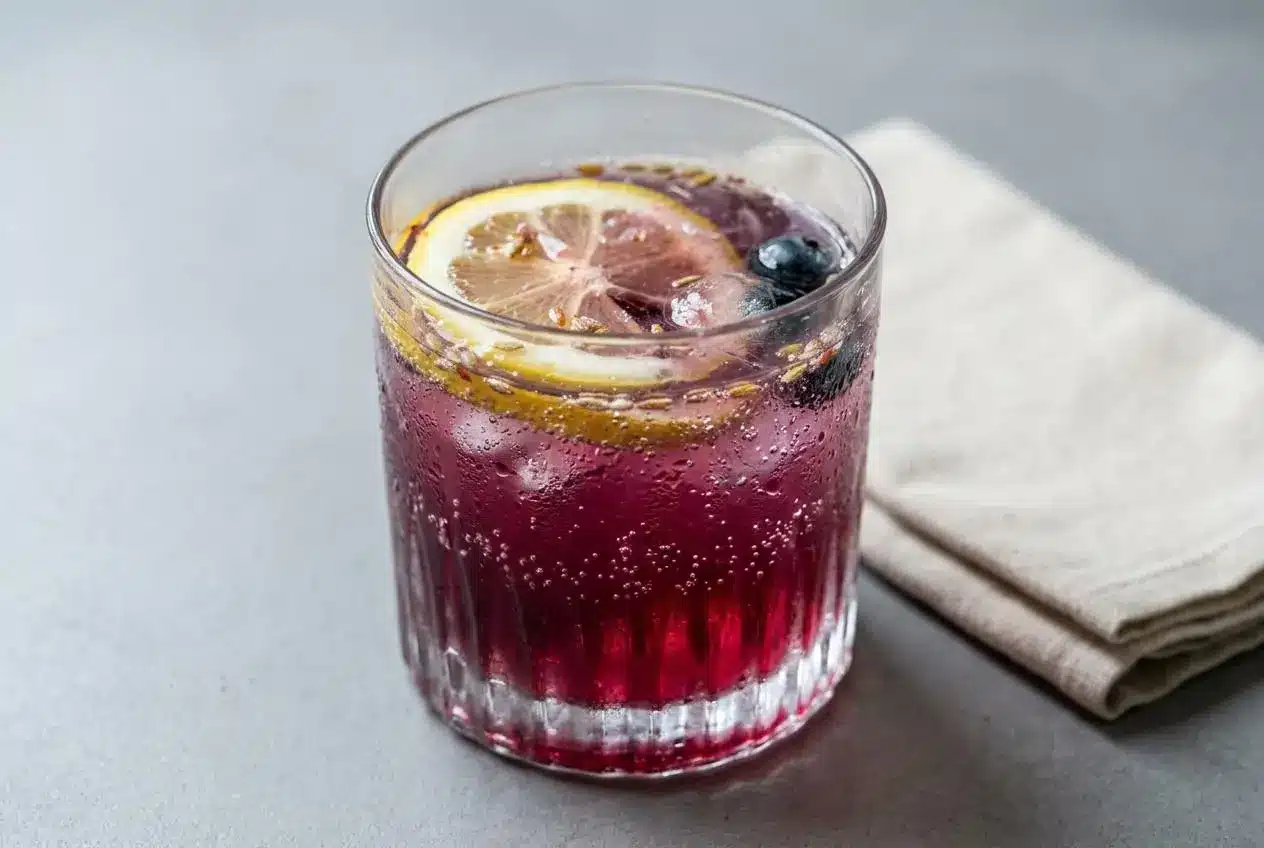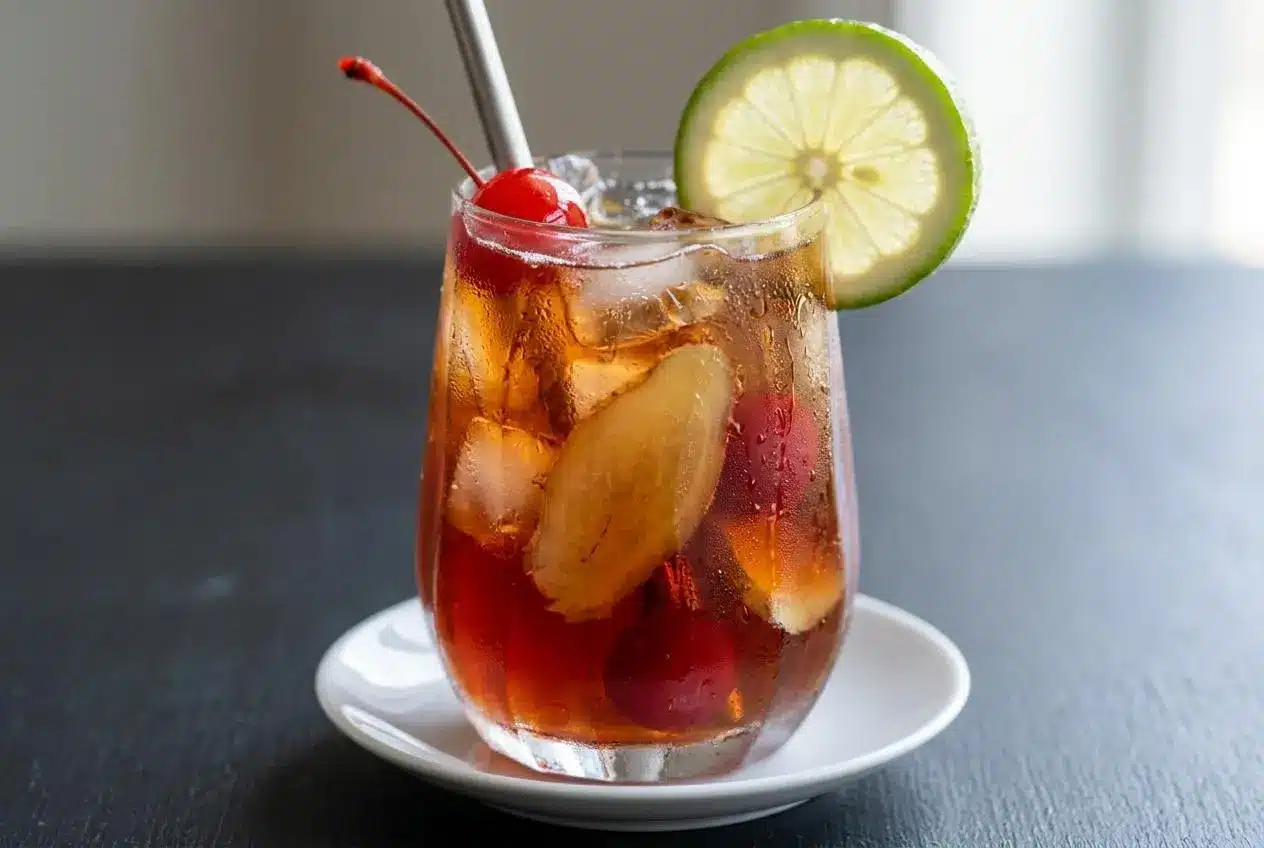
This Cherry Ginger Iced Tea Recipe makes a fruity, refreshing glass with gentle ginger spice, bold black tea, and easy prep. Simmer the cherries and ginger, steep the tea, chill well, and pour over ice.
It’s a homemade iced tea with a bright cherry base, a little warmth from fresh ginger, and enough black tea backbone to keep the flavor from tasting flat.
You’ll probably love how flexible it is too. Keep it unsweetened, add a touch of honey, or garnish it up for a summer drink that feels a little special. The first cold sip is the payoff.
Pop the second cup of water in the fridge before you start, because cold water helps the tea chill faster without watering it down.
Ingredients
This ingredient list is short, which means each piece pulls real weight in the glass.
- 2 cups water
- 2 black tea bags
- 1/2 cup fresh cherries, pitted and halved (or 1/2 cup cherry juice)
- 1 inch piece of fresh ginger, peeled and sliced
- 2-3 tbsp sugar or honey (optional, adjust to taste)
- ice cubes
- Optional garnish: A slice of lime or a few mint/basil leaves
Ingredient notes that change the flavor most
If you want the best balance, choose a stronger black tea. Assam and Ceylon both work especially well because they stay noticeable next to the cherry and ginger. A very delicate tea can disappear here.
Fresh cherries give the tea a softer fruit flavor and a pretty ruby tint once they simmer. Cherry juice is faster and easy, but it usually tastes smoother and a little more direct. I personally love fresh cherries when they’re ripe because the tea tastes rounder and less one-note.
Fresh ginger matters more than people think. Firm, fragrant ginger gives a cleaner spicy note, while older ginger can taste woody or dull. If I’m choosing between a bland piece and skipping it, I’d keep looking.
Fresh cherries, frozen cherries, or cherry juice
Fresh cherries are the classic choice here. They bring fresh fruit flavor, light body, and a bright color after simmering.
Frozen cherries can work if that’s what you have. They tend to release juice quickly once they hit the pan, so the flavor still comes through nicely. Sometimes they need just a little patience during the simmer so the fruit fully softens and gives up its color.
Cherry juice is the quickest route and fits the recipe well because it’s already listed as an option. Expect a smoother texture and often a sweeter finish, depending on the juice. If you use it, taste before adding much sweetener since the fruit flavor may already feel fuller.
Sweetener options that keep the tea balanced
Sugar keeps the flavor clean and lets the cherry stay front and center. Honey adds a floral note and softens the ginger a bit, which I think is lovely if your tea tastes sharp.
Maple syrup can work as a guidance option if you like a deeper sweetness, though it will shift the flavor slightly warmer. Stevia keeps it sugar-free but is best added very gradually, since a little can go a long way.
Whatever you choose, add sweetener while the tea is still warm so it dissolves easily, then taste again after chilling. Cold tea always tastes a little less sweet than warm tea.
How to Make Cherry Ginger Iced Tea Recipe
The method is simple, and the biggest win is building flavor before the ice ever hits the glass.
Add half of the water (1 cup), cherries, and ginger to a small saucepan and bring to a simmer. Keep the other half of the water in the refrigerator. Simmer on low heat for about 10 minutes. You can also crush the cherries with a fork to release their flavor faster.As the fruit softens, the liquid should deepen in color and smell sweet and lightly spicy. I like to watch for the cherries to look slumped and juicy, because that’s when the base starts tasting properly vibrant.
Add the black tea bags and simmer for 5 more minutes.This is where the tea brings structure to the drink. Keep an eye on it and avoid stretching the time, since black tea can tip from bold to bitter pretty quickly.
Strain the tea into a heat-proof container.Press gently on the cherries if you want every bit of that rosy juice, but don’t mash the solids through the strainer. You want a clear, smooth pour, not a pulpy one.
Sweeten (Optional): If you prefer a sweeter tea, add sugar or honey to taste while the mixture is still warm, stirring until fully dissolved.Honestly, this is the easiest moment to get the balance right. Warm liquid makes sweetener disappear fast, and you can keep the cherry flavor in focus instead of burying it.
If using cherry juice, you can now add it to the mixture.Give it a good stir so the flavor blends evenly. Cherry juice usually makes the tea look glossier and a touch darker right away.
Add the cold water to the tea and refrigerate it until it is fully chilled.This step keeps the flavor crisp. Fully chilled tea tastes cleaner and stronger over ice, while warm tea poured over ice can go watery in a hurry.
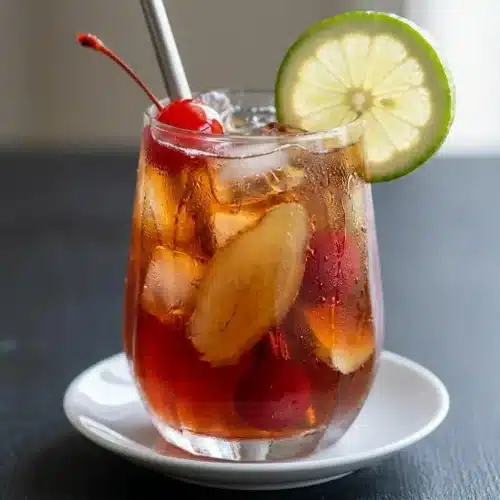
Fill glasses or glass jars with ice cubes and pour the chilled Cherry Ginger Iced Tea over the ice. Garnish with a slice of lime or fresh mint/basil, and enjoy!Lime makes it feel brighter, mint lifts the aroma, and basil gives it a more garden-fresh edge. The best part? It looks fancy with almost no effort.
A smoother cold brew option
If you like iced tea with a softer finish, some home cooks prefer to cold brew the black tea separately and then combine it with the warm cherry ginger infusion after straining. That approach can taste smoother and less bitter, especially if you’re sensitive to strong tea tannins.
It’s optional, not necessary. The main recipe already works well, but this is a nice flavor path if you want the ginger and cherry to lead a little more.
How to control sweetness, spice, and tea strength
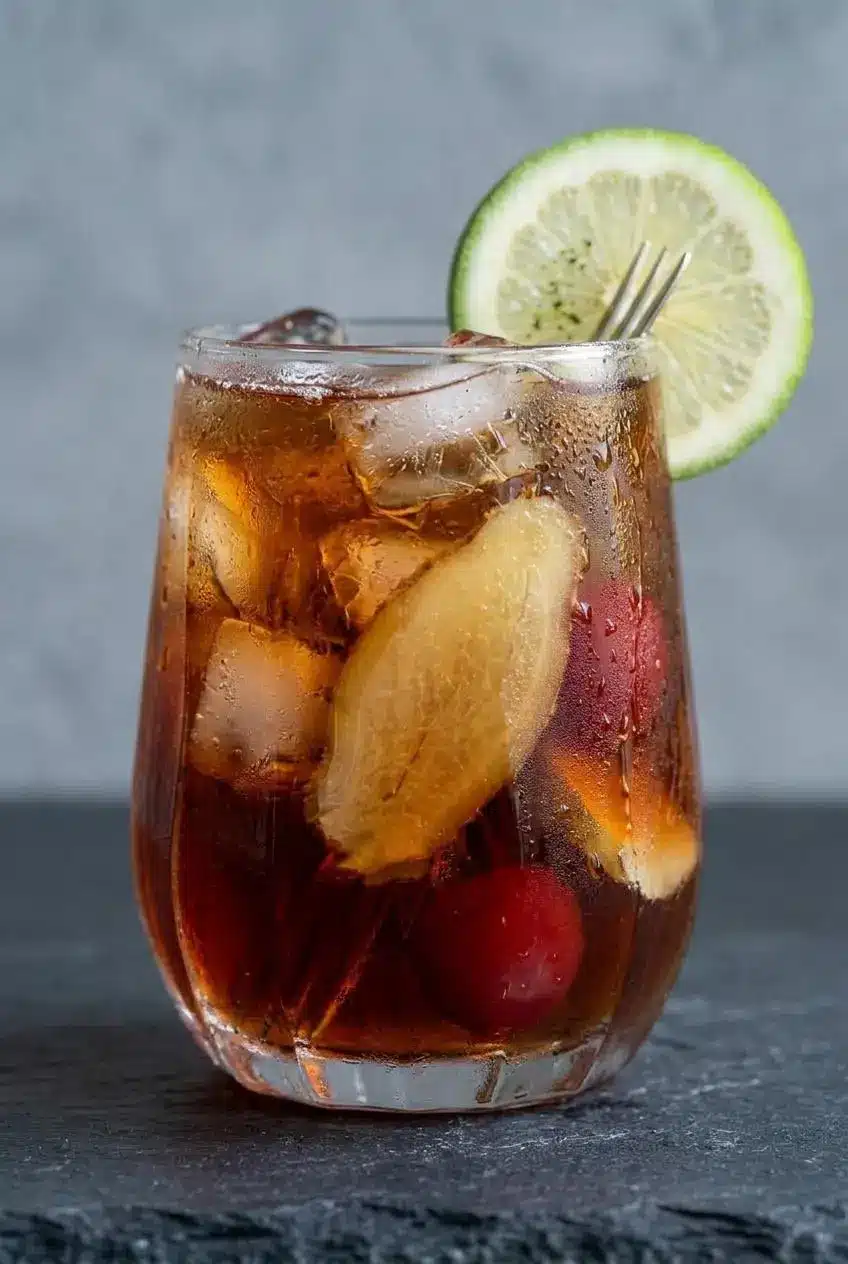
This drink is easy to adjust once you know which ingredient changes what.
For sweetness, go slowly. A small amount of sugar or honey can round out tart cherry notes and sharp tea edges, but too much will hide the fruit. I usually prefer this one lightly sweetened so the cherry still tastes fresh and the ginger still peeks through.
For spice, the ginger prep matters. Gentle slices give you warmth without turning the glass fiery. Stronger ginger prep brings more heat and a more obvious bite.
Tea strength is the backbone. If the black tea tastes too light, the drink can feel like cherry water with a spicy afterthought. If it gets too aggressive, it can crowd out the fruit. That middle ground is where this recipe shines.
What type of black tea works best
Robust black teas like Assam or Ceylon work best here. They have enough body to stand up to both cherries and fresh ginger, so the final drink still tastes like tea instead of fruit punch.
English breakfast style blends also do a nice job if that’s what you keep around. Lighter teas can work, but they’re easier to lose under the bold fruit and spice.
How ginger prep changes the final kick
Sliced ginger gives the mildest, cleanest heat, which is why it fits this recipe so well. You get warmth without much texture, and straining leaves the tea smooth.
Grated ginger gives a stronger kick because more surface area hits the water fast. Minced ginger usually lands even bolder and can push the tea toward a sharper, spicier finish.
If you want the finished tea silky and clear, slices are the easiest route. If you ever go stronger with grated or minced ginger as a personal variation, expect the spice to build faster and the straining to matter more.
Why iced tea turns cloudy, weak, or bitter
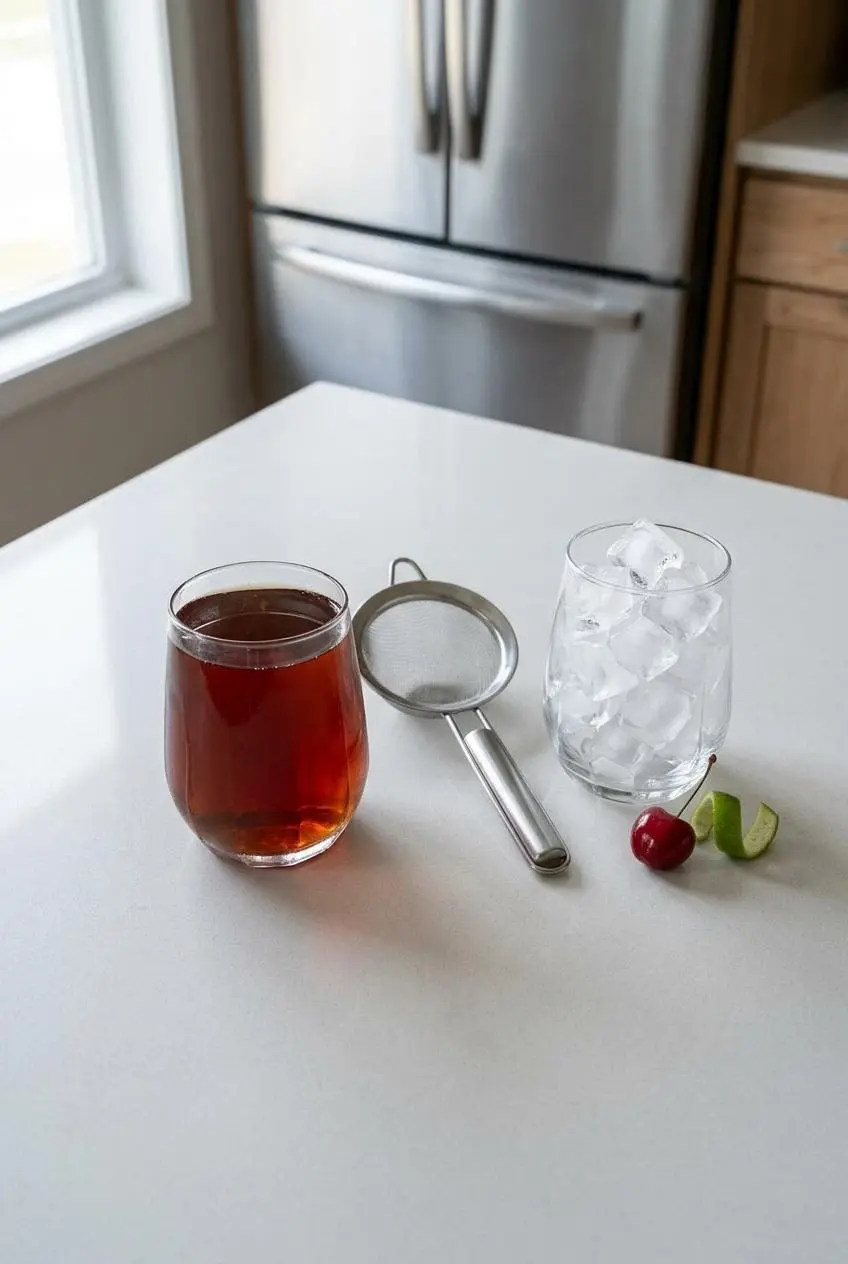
Most iced tea problems come down to heat, dilution, or overdoing the tea.
| Problem | Likely cause | Quick fix |
|---|---|---|
| Cloudy tea | Hot tea chilled too abruptly or poured over lots of ice too soon | Chill the tea first, then serve over ice |
| Weak flavor | Cherries and ginger did not simmer long enough, or the tea got diluted | Let the fruit and ginger fully infuse and chill before serving |
| Bitter taste | Black tea pushed too hard | Stick closely to the tea simmer time and soften the edge with a little sweetener if needed |
A lot of home cooks run into the same issue here: pouring warm tea straight over ice. It seems faster, but it usually steals flavor. Trust me, patience tastes better.
How to keep the flavor strong over ice
Use plenty of ice, but only after the tea is fully chilled. Ice added to warm tea melts fast and weakens the drink before you even take a sip.
If you really love a strong glass, tea ice cubes are a smart optional trick. They keep the drink cold without fading the cherry or ginger notes.
If the tea tastes too strong or too mild
If it tastes too strong, add a little more cold water until the balance feels right. That can soften tea intensity without wiping out the fruit.
If it tastes too mild, the usual culprit is dilution or a base that needed a fuller simmer. Next time, make sure the cherries and ginger have enough time to infuse before the tea goes in.
If the bitterness is what bothers you, sweeten after chilling in small amounts until the edges relax. Cold tasting gives you a much more honest read of the final flavor.
Make ahead for parties and keep it fresh in the fridge
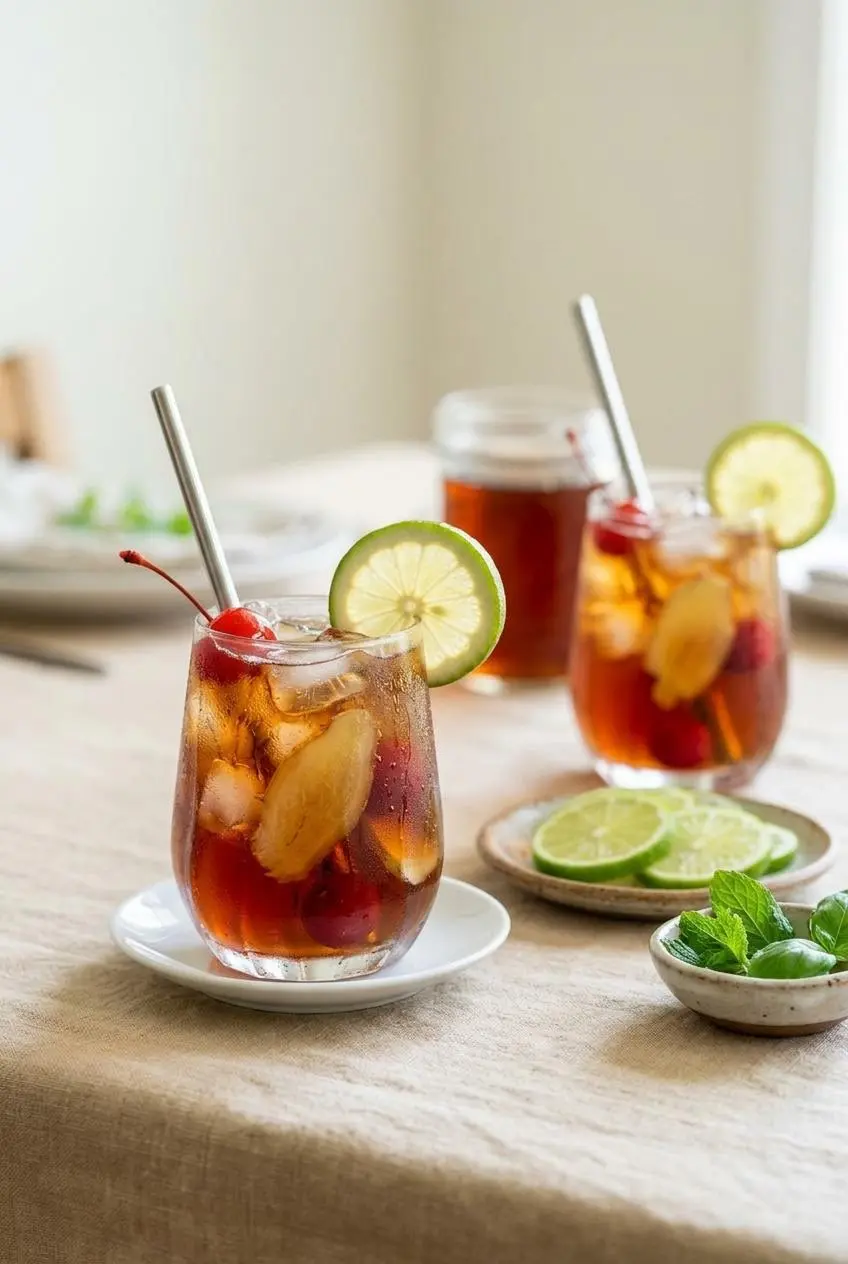
This tea is a good make-ahead drink because the flavor holds up nicely once it’s cold and settled.
For a party, scale it in a pitcher using the same proportions and chill it before guests arrive. I’d wait to add the garnish until just before serving so the mint or basil stays lively instead of looking tired and floppy.
Store it covered in the refrigerator and aim to enjoy it while the flavor still tastes bright and fresh. If you want to freeze some of the strained tea base as a concentrate for later, that can work as an optional make-ahead move, though the texture and flavor are usually best when freshly made and chilled.
Best ways to serve a bigger batch
Serve it in a pitcher with lots of ice nearby instead of adding all the ice at once. That keeps the batch from getting watered down too early.
Set out lime slices, mint, basil, or a few whole cherries so everyone can build their own glass. It feels easygoing and a little festive, which is exactly what a summer drink should do.
Cherry Ginger Iced Tea Recipe

Equipment
- Small saucepan
- heat-proof container
- Strainer
- glasses or glass jars
Ingredients
- 2 cups water
- 2 black tea bags
- 1/2 cup fresh cherries, pitted and halved (or 1/2 cup cherry juice)
- 1 inch piece of fresh ginger, peeled and sliced
- 2-3 tbsp sugar or honey optional, adjust to taste
- ice cubes
- Optional garnish: A slice of lime or a few mint/basil leaves
Instructions
- Add half of the water (1 cup), cherries, and ginger to a small saucepan and bring to a simmer. Keep the other half of the water in the refrigerator. Simmer on low heat for about 10 minutes. You can also crush the cherries with a fork to release their flavor faster.As the fruit softens, the liquid should deepen in color and smell sweet and lightly spicy. I like to watch for the cherries to look slumped and juicy, because that’s when the base starts tasting properly vibrant.
- Add the black tea bags and simmer for 5 more minutes.This is where the tea brings structure to the drink. Keep an eye on it and avoid stretching the time, since black tea can tip from bold to bitter pretty quickly.
- Strain the tea into a heat-proof container.Press gently on the cherries if you want every bit of that rosy juice, but don’t mash the solids through the strainer. You want a clear, smooth pour, not a pulpy one.
- Sweeten (Optional): If you prefer a sweeter tea, add sugar or honey to taste while the mixture is still warm, stirring until fully dissolved.Honestly, this is the easiest moment to get the balance right. Warm liquid makes sweetener disappear fast, and you can keep the cherry flavor in focus instead of burying it.
- If using cherry juice, you can now add it to the mixture.Give it a good stir so the flavor blends evenly. Cherry juice usually makes the tea look glossier and a touch darker right away.
- Add the cold water to the tea and refrigerate it until it is fully chilled.This step keeps the flavor crisp. Fully chilled tea tastes cleaner and stronger over ice, while warm tea poured over ice can go watery in a hurry.
- Fill glasses or glass jars with ice cubes and pour the chilled Cherry Ginger Iced Tea over the ice. Garnish with a slice of lime or fresh mint/basil, and enjoy!Lime makes it feel brighter, mint lifts the aroma, and basil gives it a more garden-fresh edge. The best part? It looks fancy with almost no effort.
Notes
Nutrition
Conclusion
This is the kind of iced tea that tastes more interesting than the effort suggests: fruity, lightly spicy, and refreshing with a solid black tea base.
The biggest success tip is simple. Chill it fully before pouring over ice, and you’ll get a brighter, stronger glass every time. If you like a softer finish, the optional cold brew tea idea is a nice twist to try next time.
FAQ
What’s the best type of cherry for this iced tea?
Sweet cherries give you a rounder, softer flavor, while tart cherries make the tea taste sharper and less sweet. Very ripe fresh cherries add more natural sweetness, and cherry juice is the fastest option when you want to skip pitting fruit.
Can I make this with a different type of tea, like green or herbal tea?
Yes, but the flavor changes. Black tea gives the boldest base and holds up best against cherry and ginger. Green tea tastes lighter and more delicate, and herbal tea turns it into a different style of drink entirely. Mild teas can get covered up pretty easily here.
How can I adjust the sweetness or spice level to my taste?
Add sweetener while the tea is warm if you’re using it, then taste again after chilling. Start small. For spice, use more ginger if you want a stronger kick, and remember that sliced ginger tastes milder than grated or minced.
Can I make a sugar free version of this cherry ginger tea?
Absolutely. The recipe already makes sweetener optional, so you can leave it unsweetened. Cherry juice may bring some natural sweetness, and stevia or another alternative can be added to taste. Go gradually and check the flavor once the tea is cold.
What’s the best way to store homemade iced tea?
Keep it covered in the refrigerator and serve it well chilled. Add fresh garnish right before serving for the best aroma and appearance. If you’re making a large batch, a pitcher works perfectly.
Why did my iced tea turn out bitter, and how can I fix it?
Bitter tea usually means the black tea came through too strongly. A bold tea is great here, but too much extraction can overpower the fruit. Chill the tea before pouring over ice so it doesn’t turn weak and harsh at the same time, and add a little sweetener if you want to soften the bitter edge.