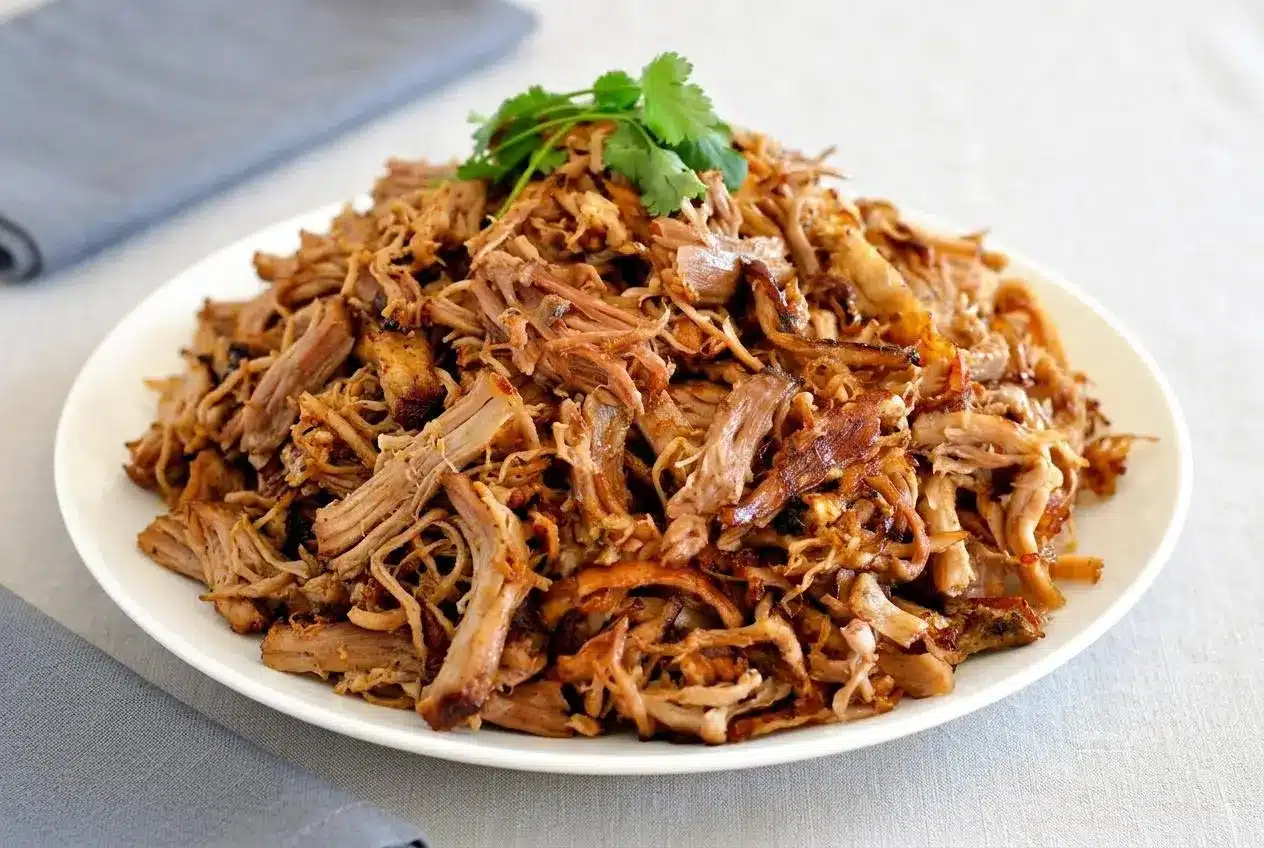
Carnitas tacos are slow-cooked pork tacos with juicy meat and crisp browned edges. This version uses pork shoulder, a slow cooker, and a final high-heat crisping step so you get tender meat that tastes rich, savory, and deeply satisfying.
Carnitas tacos come from the tradition of slow-cooked pork from Michoacán, where the meat is cooked until tender and then finished for those irresistible crispy bits. At home, you can get that same contrast of juicy centers and crackly edges with a very doable method.
You’ll like this recipe because it explains the why, not just the steps: the best cut of pork, how to crisp without drying out, what toppings actually help, and how to store leftovers well. The crispy edges are worth it.
Keep the pork in larger chunks when you shred it, because fine strands dry out faster in the skillet.
What Are Carnitas Tacos?
If you’ve ever wondered what makes carnitas different, it’s all about texture. Carnitas are pork that’s cooked low and slow until tender, then crisped so the edges turn golden and lightly crusty.
That final step is the big difference between carnitas and American pulled pork. Pulled pork is usually served soft after shredding, while carnitas get a blast of high heat for browned, crispy bits.
This version is a home-cook approach to the classic dish from Michoacán. Traditional carnitas are often slowly cooked in lard, but this recipe leans on pork shoulder, its own rendered fat, orange juice, and a slow cooker for excellent everyday results.
Why This Recipe Is the Best
- It uses pork shoulder, the cut that gives carnitas their juicy, rich texture.
- The two-step method is built in, so you get tender meat first and crispy edges second.
- You’ll find clear options for slow cooker, Instant Pot, and Dutch oven cooking.
- The reserved cooking liquid does real work, adding back moisture and concentrated flavor.
- A troubleshooting table helps fix the usual problems before taco night goes sideways.
Ingredients You’ll Need
Each ingredient has a job here: pork shoulder brings richness, orange juice brightens the braise, onion and jalapeño add depth, and the rub builds the warm, earthy flavor that makes the meat taste complete.
- 2 kg / 4 lb pork shoulder (pork butt), skinless, boneless (5lb/2.5kg bone in)
- 2 1/2 tsp salt
- 1 tsp black pepper
- 1 onion, chopped
- 1 jalapeno, deseeded, chopped
- 4 cloves garlic, minced
- 3/4 cup juice from orange (2 oranges)
Rub
- 1 tbsp dried oregano
- 2 tsp ground cumin
- 1 tbsp olive oil
I always choose pork shoulder with visible marbling, because that melting fat is what gives carnitas their plush texture instead of a dry, stringy one.
How to Make Carnitas Tacos (Step-by-Step)
- Rinse the pork shoulder, pat it very dry, and season it all over with the salt and black pepper.
The surface should feel dry rather than wet so the seasoning adheres well. - Stir together the dried oregano, ground cumin, and olive oil, then rub that mixture over the pork.
You want the spice paste to coat the meat evenly, especially across the top and sides. - Set the pork in the slow cooker with the fat cap facing up, then add the chopped onion, chopped jalapeno, minced garlic, and orange juice over and around it.
Everything will look loosely piled at this stage, and that is perfectly fine. - Slow cook on low for 10 hours or on high for 7 hours.
The pork is ready when a fork slides in easily and the meat yields with very little pressure. - Lift the pork out, let it cool briefly, then shred it with two forks into tender chunks.
Leave some larger pieces for better texture once the meat hits the hot pan. - If you like, skim excess fat from the cooking juices left in the slow cooker.
The liquid underneath should still be deeply savory and full of softened aromatics. - If the slow cooker has more than about 2 cups of liquid, simmer it down until you have about 2 cups, then reserve it without straining.
The reduced liquid will taste salty and concentrated, which is exactly what seasons the pork during crisping.
To Crisp
- Heat 1 tbsp of oil in a large non stick pan or well seasoned skillet over high heat, add a layer of shredded pork, and drizzle over some of the reserved juices.
Listen for a strong sizzle and wait until the liquid cooks off and the underside turns deep golden and crusty. - Flip the pork and sear the other side briefly, then transfer it out and repeat in batches until all the meat is crisped.
Do not crowd the pan, or the pork will steam instead of forming those browned edges. - Just before serving, spoon over a little more reserved liquid and fill warm tacos with the hot pork.
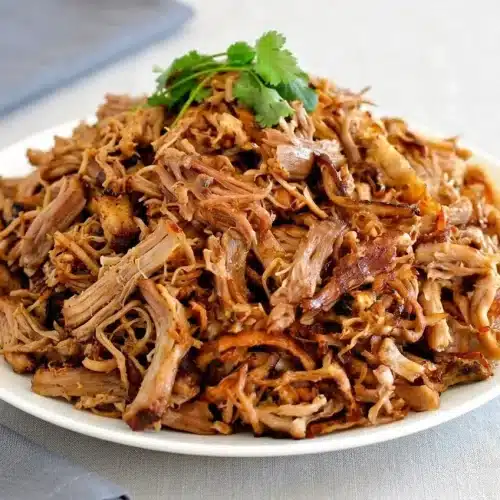
The meat should look glossy in places, crisp at the edges, and still juicy in the center.
Choosing the Best Pork for Carnitas
This choice matters more than any spice. For true carnitas texture, pork shoulder, also called pork butt, is the cut to buy.
Pork shoulder has enough fat and connective tissue to stand up to long cooking. As it cooks, that fat renders and the tough tissue softens, which is what gives you meat that shreds easily and stays juicy after crisping.
Leaner cuts like pork loin or tenderloin do not behave the same way. They may slice nicely, but in carnitas they tend to turn dry, tough, and a little stringy once cooked for hours and then crisped.
A lot of home cooks ask whether they can swap in pork loin because it looks neat and lean. Honestly, this is one of those times when lean is the wrong goal.
Pork Cut Guide for Carnitas
| Cut | Fat Content | Best For | Result in Carnitas |
|---|---|---|---|
| Pork Shoulder | High | Slow cooking and shredding | Juicy, tender, easy to shred |
| Pork Loin | Low | Slicing and quicker roasting | Dry, tough, stringy |
How to Get Signature Crispy Carnitas
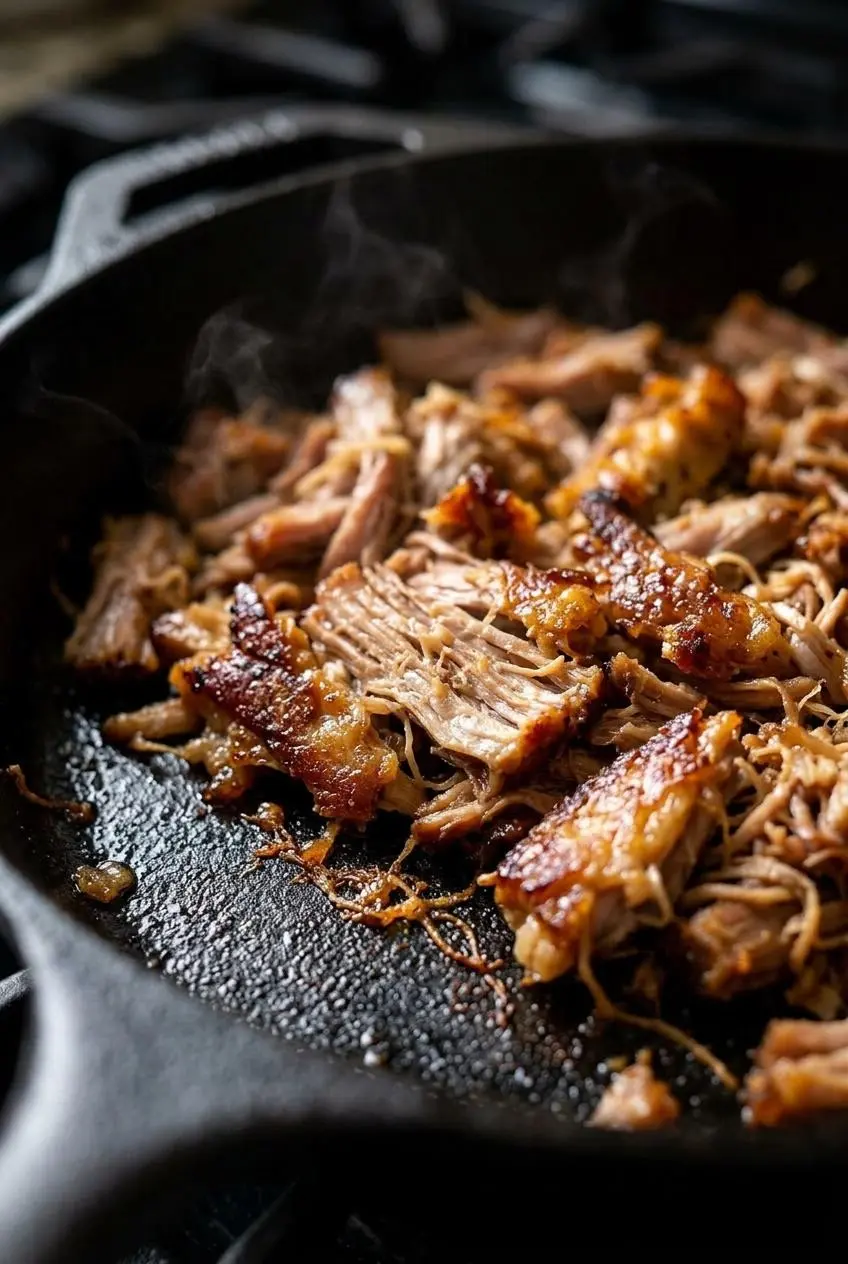
This is the step that turns good pork into real carnitas. First you slowly braise the meat until tender, then you hit it with high heat so the edges brown and crisp.
Skip the crisping step and you’ll still have tasty shredded pork, but it will eat more like pulled pork than carnitas. The magic is in the contrast: juicy interior, caramelized edges, and little crunchy bits that catch extra seasoning.
For pan-frying, heat a skillet until it’s properly hot, spread the pork in a single layer, drizzle in some reserved cooking liquid, and leave it alone long enough to brown. Work in batches and avoid overcrowding. That sizzle is your friend.
For broiling, spread the shredded pork on a sheet pan, spoon over some of the cooking liquid, and broil until the edges brown and crisp, watching closely and turning as needed. Broiling is faster for a big batch, but the skillet gives you more control and usually the best crust.
The best part? A little of that reduced cooking liquid keeps the inside moist while the outside crisps. It sounds backward, but it works beautifully.
Crisping Method Showdown: Pan-Fry vs. Broil
| Method | Pros | Cons |
|---|---|---|
| Pan-Frying | Maximum control, super crispy bits | Takes longer, requires batches |
| Broiling | Fast, hands-off | Less control, easier to burn |
Cooking Method Variations
The slow cooker is the easiest route, but carnitas adapt well if you want a faster pressure-cooker version or a stovetop method with deeper braised flavor.
Slow Cooker Method (Recommended)
This is the method used in the main recipe, and it’s the one I’d recommend for the most reliable results. The long, gentle cook gives the pork time to soften fully and build a rich cooking liquid that you’ll use later for crisping.
If you want a deeper look at that method, this Slow Cooker Pork Carnitas guide is a helpful next stop.
Instant Pot (Pressure Cooker) Method
If you need carnitas faster, the Instant Pot works very well. Sear the seasoned pork first for extra flavor, pressure cook on high for about 90 minutes, then let the pressure release naturally before shredding.
You’ll still want to reduce the cooking liquid if it seems thin, and the crisping step stays exactly the same. Pressure cooking gets you tender pork quickly, but the skillet or broiler is still what gives you true carnitas texture.
Stovetop Dutch Oven Method
A Dutch oven is a great choice if you like a more traditional braised flavor. Keep the pork at a low simmer for 3 to 4 hours, check the liquid level now and then, and cook until the meat is very tender before shredding and crisping.
This method can taste a little deeper and roastier because of the steady stovetop reduction. Traditional carnitas are often confit-style, slowly cooked in lard, but this version keeps the process more practical for most home kitchens while still respecting that richer style.
Quick Weeknight ‘Carnitas’ with Ground Pork
When time is tight, browned ground pork with the same cumin, oregano, garlic, and a splash of orange juice can give you a fast taco filling with a similar flavor direction. It is not traditional carnitas, and the texture is completely different, but it scratches the same taco-night itch.
Cook the ground pork until browned, let some bits get dark and crispy, then spoon in a little orange juice and cook until it reduces. Think of it as a shortcut cousin, not the original.
Toppings and Serving Suggestions
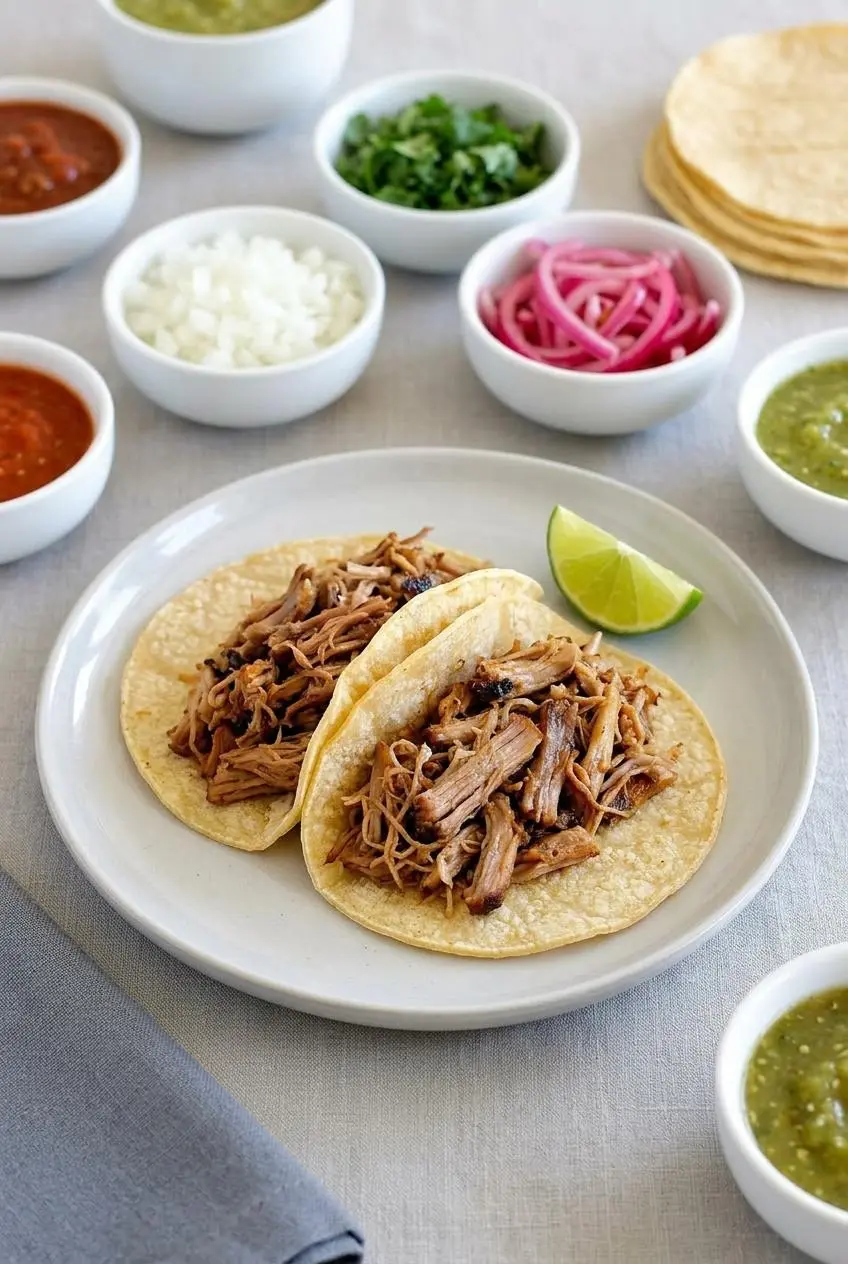
Rich pork needs fresh, sharp, and bright toppings around it. That balance is what keeps each taco exciting instead of heavy by the second bite.
If you’re building a taco bar, offer a few fresh toppings, warm tortillas, lime wedges, and a side of classic rice and beans to round out the meal.
Classic Street Taco Toppings
The classic trio is diced white onion, chopped cilantro, and a squeeze of lime. That combination cuts through the richness of the pork and lets the crispy edges stay the star.
You can also add salsa verde, pico de gallo, sliced radishes, crumbled queso fresco, avocado, or a spoonful of fresh mango salsa if you want a sweet-tangy contrast.
How to Make Quick Pickled Red Onions
Pickled red onions are one of the best toppings for carnitas because they bring sharpness, crunch, and color. Thinly slice red onion, cover it with a mix of vinegar, water, a little sugar, and salt, then let it sit until the onion softens and turns bright pink.
They’re especially good when your pork is extra rich or extra crispy. Trust me, that tangy bite wakes up the whole taco.
How to Warm Tortillas
Warm tortillas make a huge difference. Cold tortillas crack, taste flat, and make all your careful carnitas work feel less special.
For the best flavor, char corn tortillas briefly over a gas flame until they blister in spots. You can also warm them in a dry skillet until pliable, or wrap them in a damp paper towel and microwave briefly if you need the fastest option.
I like to double up corn tortillas for carnitas because the juicy filling stays put better and the taco feels more like something you’d happily eat standing at the stove.
Fun Variation: Crispy Cheese-Crusted Tacos
For a fun twist, scatter shredded cheese such as Monterey Jack into a hot non-stick skillet, set a tortilla on top, and cook until the cheese turns crisp and bonds to the tortilla. Fill it with carnitas while it’s still warm so you get crunchy edges, melted cheese, and juicy pork in one bite.
Storage, Freezing, and Reheating Instructions
Storing
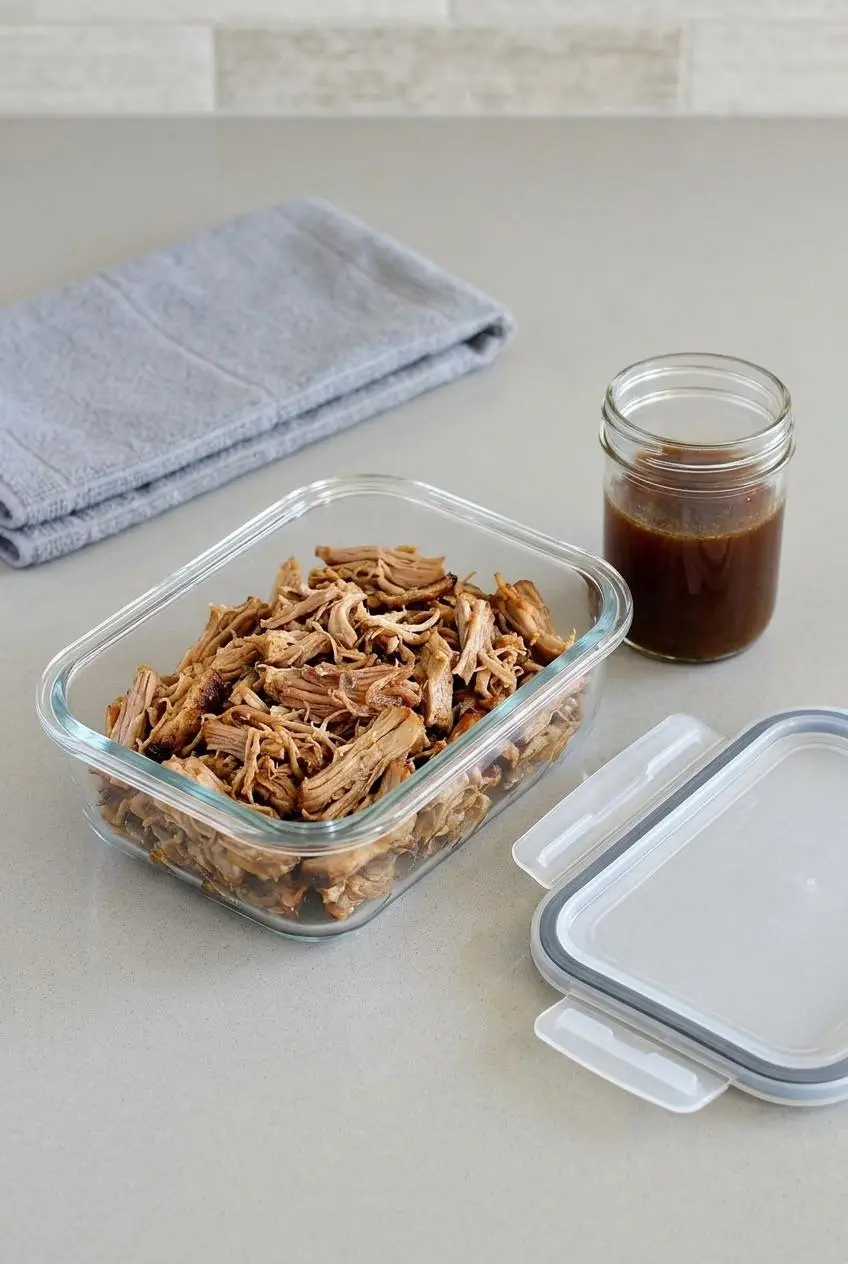
Cool the pork, then keep the meat and the reserved cooking liquid in separate airtight containers in the refrigerator for up to 4 days for official guidance. Storing them separately helps the pork stay from getting soggy too soon.
Freezing
Freeze cooled carnitas in portions, ideally with the pork and liquid packed separately or with just a small amount of liquid added to the meat to guard against dryness. Properly wrapped portions keep well for up to 3 months with safe pork handling guidance.
Reheating
The best way to reheat carnitas is in a hot skillet. Add the pork with a splash of reserved liquid or water, then cook until heated through and the edges crisp again.
If you’re reheating leftovers for serving, make sure the pork reaches 165°F. A skillet gives you the best shot at bringing back that just-crisped texture instead of softening it.
Troubleshooting Common Carnitas Problems
A lot of our readers ask the same three questions here, and they’re fixable. Usually, the issue comes down to the cut of pork, the heat level, or forgetting how important the cooking liquid is.
| Problem | Likely Cause | How to Fix It |
|---|---|---|
| My pork is dry/tough | Used a lean cut; didn’t cook long enough | Use pork shoulder and cook until it reaches 195°F and falls apart easily. |
| My carnitas aren’t crispy | Pan not hot enough; crowded the pan; skipped adding liquid | Use high heat, cook in batches, and drizzle with cooking liquid so the pork sizzles before browning. |
| The flavor is bland | Under-salted; didn’t use the cooking liquid | Season the pork well at the start, reduce the liquid if needed, and spoon some back over the meat before serving. |
Ways to Use Leftover Carnitas
- Fold them into quesadillas.
- Scatter them over nachos.
- Add them to burrito bowls with rice, beans, and salsa.
- Roll them into enchiladas.
- Pile them onto a salad with crunchy lettuce and lime.
Conclusion
Great carnitas come down to a few smart choices: use pork shoulder, cook it until truly tender, save the cooking liquid, and never skip the final crisping step. That’s how you get juicy pork with those deeply browned, irresistible edges.
With the method, variations, and troubleshooting in your back pocket, taco night gets a lot easier and a lot more delicious. Hope your skillet sizzles beautifully.
Frequently Asked Questions
What is the best cut of pork for carnitas?
Pork shoulder, also called pork butt, is the best choice. It has the fat and connective tissue needed for juicy, shreddable meat. That richness also helps the pork stay tender when you crisp it.
What’s the difference between carnitas and pulled pork?
Both are slow-cooked pork, but the texture finishes differently. Carnitas are shredded and then crisped in a skillet or under the broiler. Pulled pork is usually served soft after shredding.
How do you get carnitas crispy without drying them out?
Use high heat and keep the pork in a single layer. Cook in batches so the meat browns instead of steaming. Drizzle in a little reserved cooking liquid while it crisps to keep the centers juicy.
Can I make carnitas ahead of time?
Yes, carnitas work very well as a make-ahead meal. Cook and shred the pork first, then store the meat and liquid separately. Crisp the pork right before serving so the texture stays at its best.
Do I have to use lard to make authentic carnitas?
No, you can make excellent carnitas without lard. Traditional versions often use lard for a confit-style cook. This recipe relies on pork shoulder and its rendered fat for a more accessible home method.
What should I serve with carnitas tacos?
Start with white onion, cilantro, and lime. Rice, beans, and elote-style sides work especially well. Salsa verde, pickled onions, and fresh toppings add brightness that balances the rich pork.
Carnitas Tacos

Equipment
- Slow cooker
- Large Skillet
- Forks
Ingredients
- 2 kg / 4 lb pork shoulder (pork butt), skinless, boneless (5lb/2.5kg bone in)
- 2 1/2 tsp salt
- 1 tsp black pepper
- 1 onion, chopped
- 1 jalapeno, deseeded, chopped
- 4 cloves garlic, minced
- 3/4 cup juice from orange (2 oranges)
Rub
- 1 tbsp dried oregano
- 2 tsp ground cumin
- 1 tbsp olive oil
Instructions
- Rinse the pork shoulder, pat it very dry, and season it all over with the salt and black pepper. The surface should feel dry rather than wet so the seasoning adheres well.
- Stir together the dried oregano, ground cumin, and olive oil, then rub that mixture over the pork. You want the spice paste to coat the meat evenly, especially across the top and sides.
- Set the pork in the slow cooker with the fat cap facing up, then add the chopped onion, chopped jalapeno, minced garlic, and orange juice over and around it. Everything will look loosely piled at this stage, and that is perfectly fine.
- Slow cook on low for 10 hours or on high for 7 hours. The pork is ready when a fork slides in easily and the meat yields with very little pressure.
- Lift the pork out, let it cool briefly, then shred it with two forks into tender chunks. Leave some larger pieces for better texture once the meat hits the hot pan.
- If you like, skim excess fat from the cooking juices left in the slow cooker. The liquid underneath should still be deeply savory and full of softened aromatics.
- If the slow cooker has more than about 2 cups of liquid, simmer it down until you have about 2 cups, then reserve it without straining. The reduced liquid will taste salty and concentrated, which is exactly what seasons the pork during crisping.
To Crisp
- Heat 1 tbsp of oil in a large non stick pan or well seasoned skillet over high heat, add a layer of shredded pork, and drizzle over some of the reserved juices. Listen for a strong sizzle and wait until the liquid cooks off and the underside turns deep golden and crusty.
- Flip the pork and sear the other side briefly, then transfer it out and repeat in batches until all the meat is crisped. Do not crowd the pan, or the pork will steam instead of forming those browned edges.
- Just before serving, spoon over a little more reserved liquid and fill warm tacos with the hot pork. The meat should look glossy in places, crisp at the edges, and still juicy in the center.